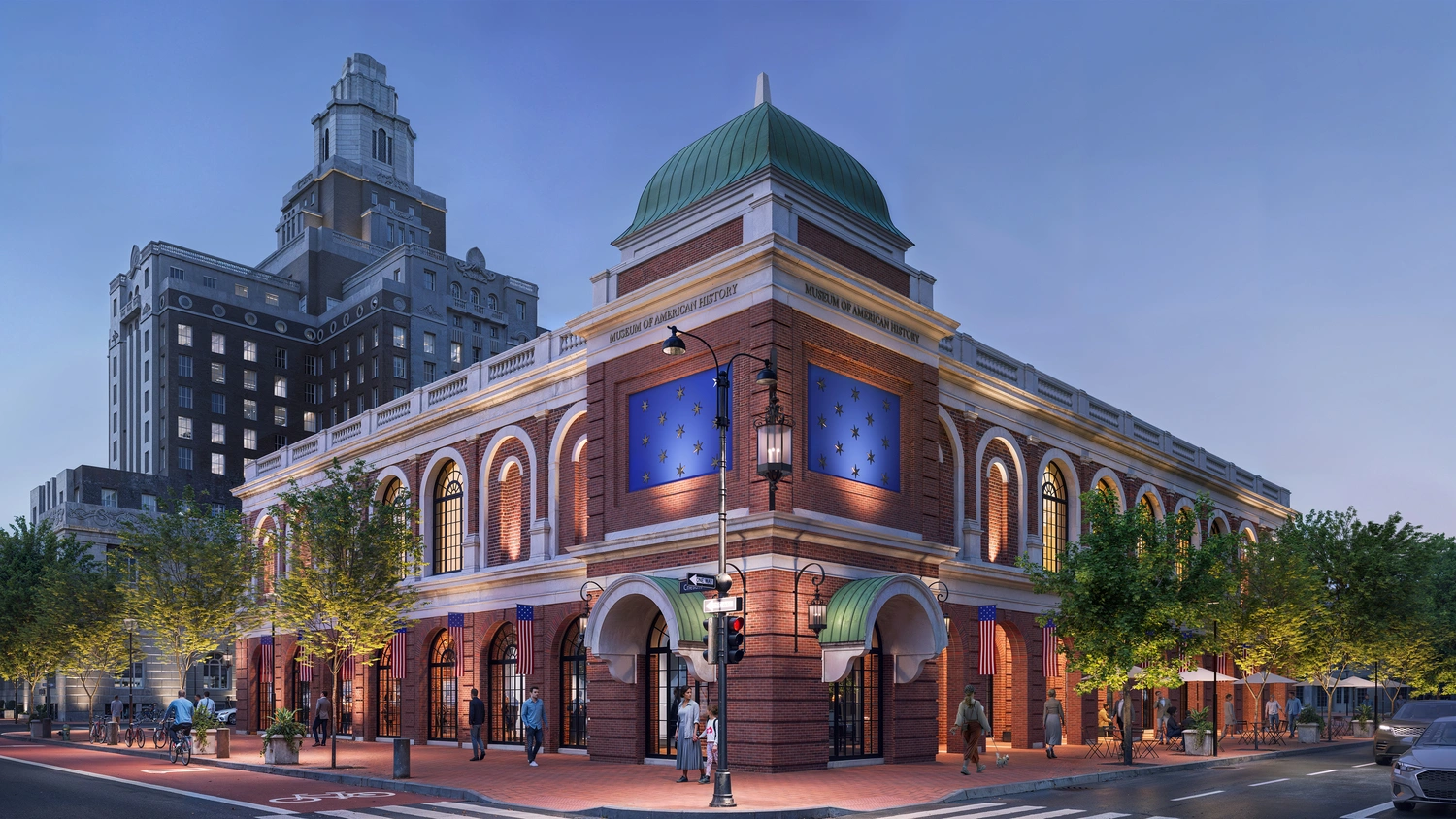
A building can look impressive in daylight but tell a different story after dark. For developers, that creates a challenge: how can buyers see the lighting, atmosphere, and outdoor spaces before construction is complete? Night rendering provides a practical answer. This guide covers the main types of nighttime exterior visuals, their production process, and how they support real estate marketing.
What Is Night View Rendering in Architectural Visualization?
Night rendering is a form of exterior 3D visualization that shows buildings and their surroundings under nighttime or low-light conditions. It helps architects and developers present how a property may look after sunset.
Unlike daytime images, nighttime exterior visuals rely heavily on artificial light. Facade fixtures reveal building shapes, illuminated windows suggest activity inside, and landscape lights guide attention toward paths, gardens, and entrances.
Materials also behave differently after dark. Glass reflects nearby lights, metal catches bright highlights, and textured stone can create strong shadows.
A night render does not need to make every surface bright. Controlled contrast often produces a more realistic scene.

Full nighttime views usually feature dark skies and artificial lighting as the main light source. Twilight images retain some daylight, while blue-hour scenes use the cool tones of the sky shortly after sunset.
Professional 3D exterior rendering helps teams compare these lighting conditions before choosing visuals for a campaign.
Types of Exterior Night Renderings
Different properties need different approaches to nighttime presentation. The right format depends on the building’s purpose and the details buyers need to see.
Residential Building Night Rendering
Residential night renders show apartment buildings, condominiums, and housing developments after dark.
Warm windows, balcony lights, clear entrances, and landscaped courtyards help buyers imagine daily life in the property. The lighting should also reveal the building’s shape rather than hide it.
Developers can combine these scenes with residential rendering to present a project throughout the day.
Commercial Building Night Visualization
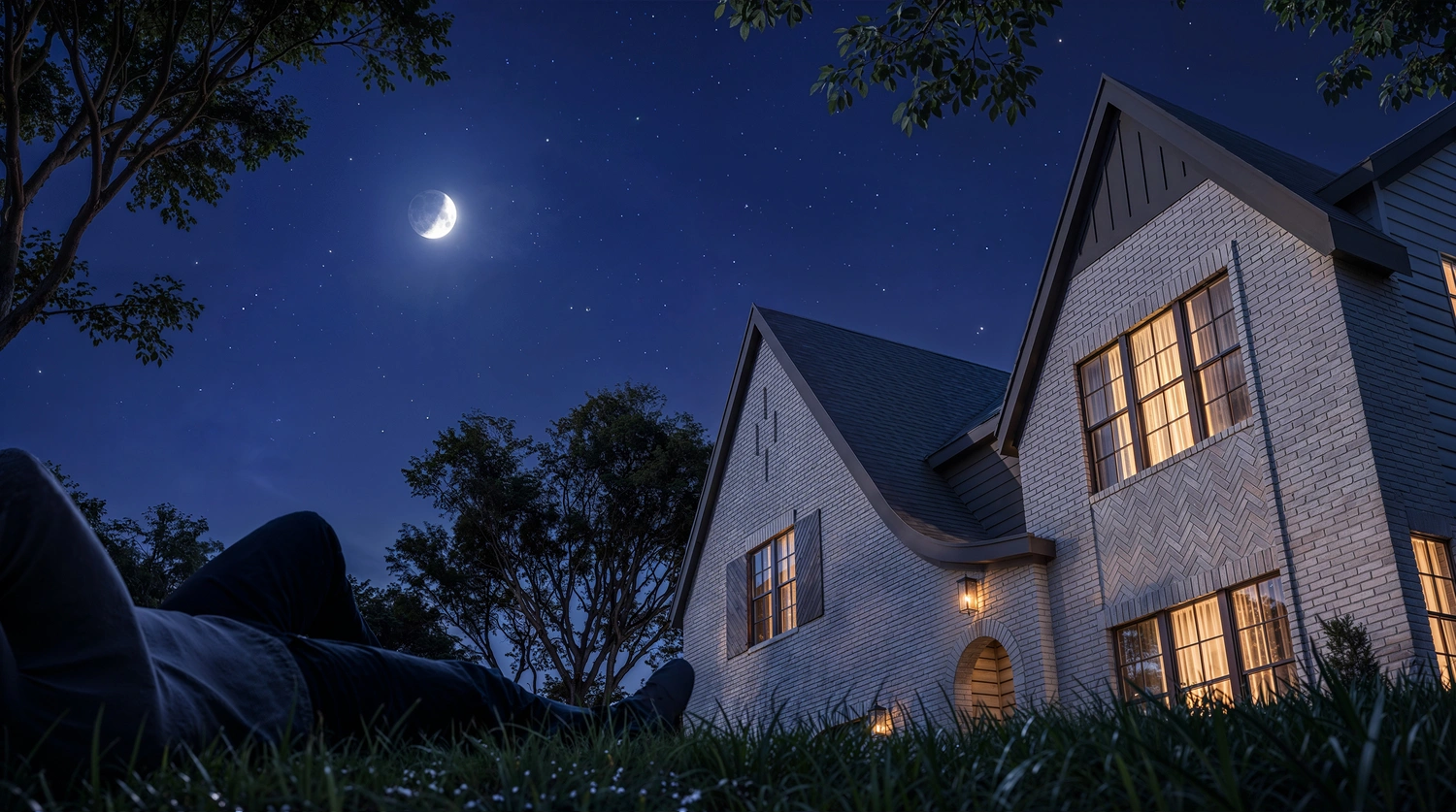
Office buildings, retail centers, and mixed-use properties often depend on strong nighttime visibility.
A commercial night view rendering can highlight entrance lighting, glass facades, signs, and public areas. It helps developers show how a building will appear to visitors after working hours.
For related design considerations, explore commercial building renderings.
Luxury Property Night Visualization
Premium villas and private residences benefit from carefully balanced lighting.
Pool reflections, garden paths, terraces, and soft facade lights can create a sense of privacy and comfort. The goal is to show how outdoor spaces work together, not simply make the property look dramatic.
Hospitality and Hotel Exterior Night Visualization
Hotels and resorts often welcome guests after sunset. Their exterior images should reflect that experience.
Entrance lighting, outdoor dining areas, pools, and garden paths help guests understand the setting. Hospitality 3D rendering can support these visuals before a property opens.
Aerial Night Rendering of Real Estate Developments
Aerial views show more than individual buildings. They reveal roads, parking areas, public spaces, and lighting across a wider site.
With aerial 3D rendering, developers can present how a residential or mixed-use project fits into its surroundings.
This is useful when a development includes several buildings or shared outdoor areas.

Key Elements of High-Quality Exterior Night View Rendering
A realistic nighttime scene depends on more than adding bright windows to a dark image. Every light source should have a clear purpose.
Architectural Facade Lighting
Facade lights reveal building geometry, entrances, and material textures. Their direction and brightness should support the architectural design.
Windows, Balconies, and Interior Illumination
Interior lights make a building feel active. However, identical brightness in every window can look artificial.
A convincing night view render uses varied light levels and realistic interior details. Accurate door and window rendering also helps preserve the intended design.
Landscape and Outdoor Lighting
Paths, trees, courtyards, and terraces need enough light to show their function. Outdoor lighting should also guide attention toward important amenities.
Building Materials and Light Interaction
Brick, concrete, stone, metal, and glass respond differently to artificial light.
A realistic night architecture render accounts for reflections, surface texture, and the distance between light sources and materials.
Night Sky, Shadows, and Environmental Context
Sky color, exposure, and shadows influence the entire image. A dark sky does not mean the surrounding environment should disappear.
Good night visualisation keeps the building connected to its setting.
Night Rendering vs. Day Rendering vs. Twilight Rendering
Day, night, and twilight images serve different marketing goals. None is the best choice for every project.
Daytime scenes explain architectural form, materials, and site layout. They are useful when buyers need to understand the full building and its surroundings.
Night renderings place more attention on artificial lighting, illuminated amenities, and atmosphere. They can show how an entrance, courtyard, or terrace will function after sunset.
Twilight scenes offer a middle ground. The remaining daylight keeps the architecture visible, while interior and exterior lights begin to stand out.

For a new residential project, one daytime image may explain the building's design, while a nighttime exterior visualization highlights its entrance and shared outdoor spaces.
Using both gives buyers a more complete picture.
Developers can explore other types of architectural renderings when planning a full visual campaign.
How Exterior Night Rendering Services Support Real Estate Marketing
A strong architectural image should answer a business question. For property developers, that often means helping buyers understand a project before it exists.
Presenting Properties Before Construction
Night rendering services allow developers to show planned buildings without waiting for construction.
Buyers can examine entrances, outdoor amenities, and lighting concepts. Investors can also see how the development may look when occupied.
This supports early marketing, although the visuals should remain consistent with approved design plans.
Highlighting Architectural Design and Lighting
Lighting can become part of a property's identity.
For example, a residential tower may use vertical facade lights to emphasize its height. A hotel may use warm lighting around its entrance to create a welcoming atmosphere.
Night visualisation helps teams review these effects before installation.
Creating Marketing Materials for Property Launches
One approved 3D scene can support website images, brochures, digital ads, and sales presentations.
Different camera views can be created from the same model, reducing repeated preparation work.
The final cost depends on scene complexity, revisions, and image requirements. This exterior rendering cost guide explains the factors that influence production budgets.
Differentiating Residential and Commercial Developments
When competing projects have similar layouts, their outdoor experience can help them stand apart.
A well-planned night render architecture scene can draw attention to rooftop terraces, landscaped courtyards, or distinctive building entrances.
The image should reflect the actual design rather than promise features that will not be built.
Supporting Investor and Stakeholder Presentations
Investors need a clear picture of the proposed development.
Night view renders can show how buildings, roads, and outdoor spaces relate to one another. They also help design teams discuss lighting choices with clients.
For larger developments, 3D real estate rendering can bring these views into a consistent presentation.
The Exterior Night Visualization Process
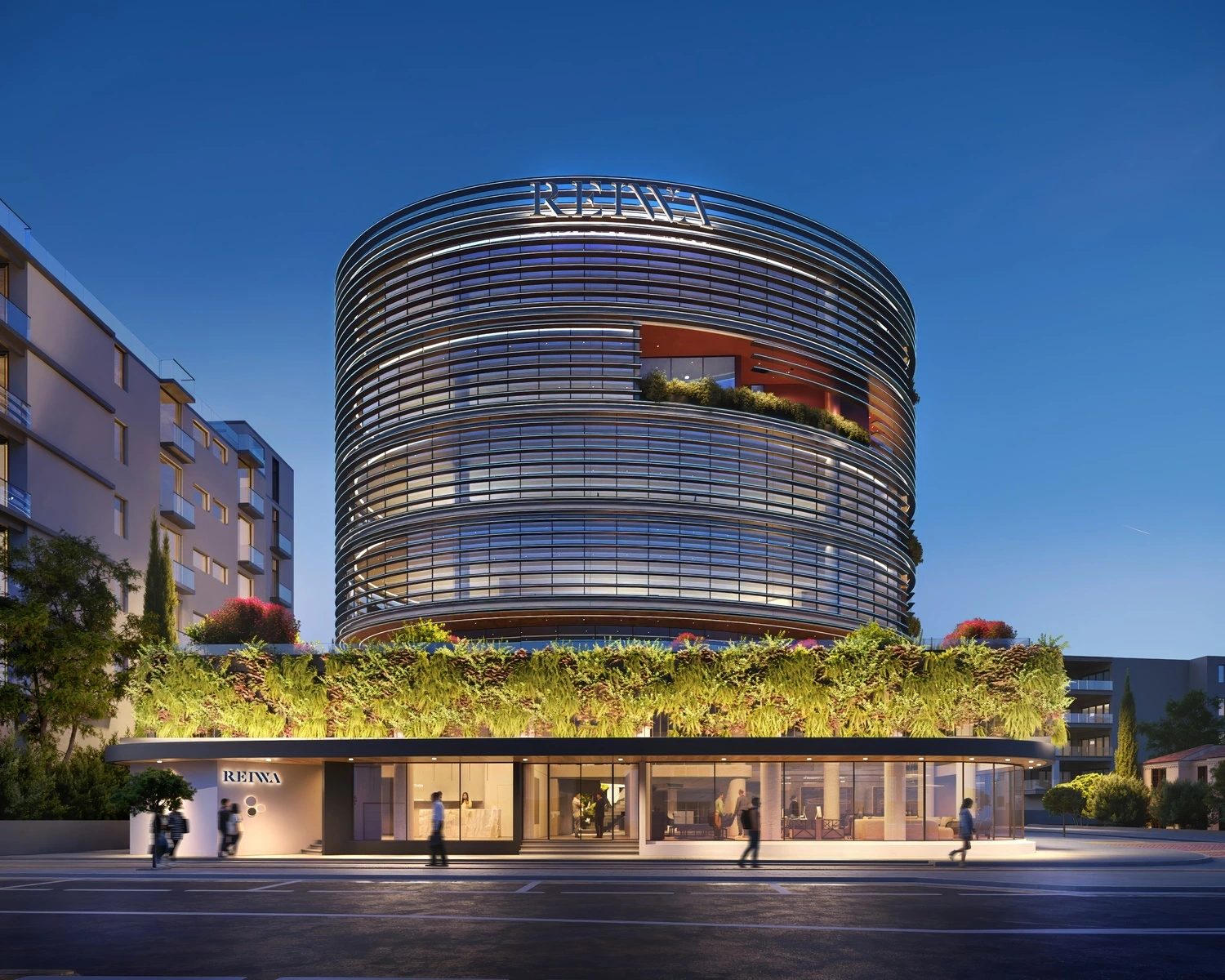
Producing realistic nighttime images requires a planned workflow. The main stages are similar to other architectural CGI projects, but lighting needs extra attention.
1. Project Brief and Architectural References
The studio reviews drawings, existing 3D models, material specifications, and landscape plans.
The client also explains the intended audience and how the night render will be used. A sales brochure may need a different composition from an investor presentation.
2. Exterior Scene and 3D Model Preparation
Artists build or refine the digital scene.
They check the building's geometry, facade details, surrounding roads, and landscape elements. Missing information is clarified before detailed lighting work begins.
Accurate modeling is essential because artificial light can reveal errors in surface shapes and proportions.
3. Nighttime Lighting Setup
The team adds facade fixtures, interior lights, streetlights, and landscape illumination.
Each light source needs suitable brightness, color, and direction. Reflections and shadows must also match the surrounding materials.
In nighttime 3D rendering, small changes to light placement can affect the appearance of an entire facade.
4. Camera Composition and Rendering
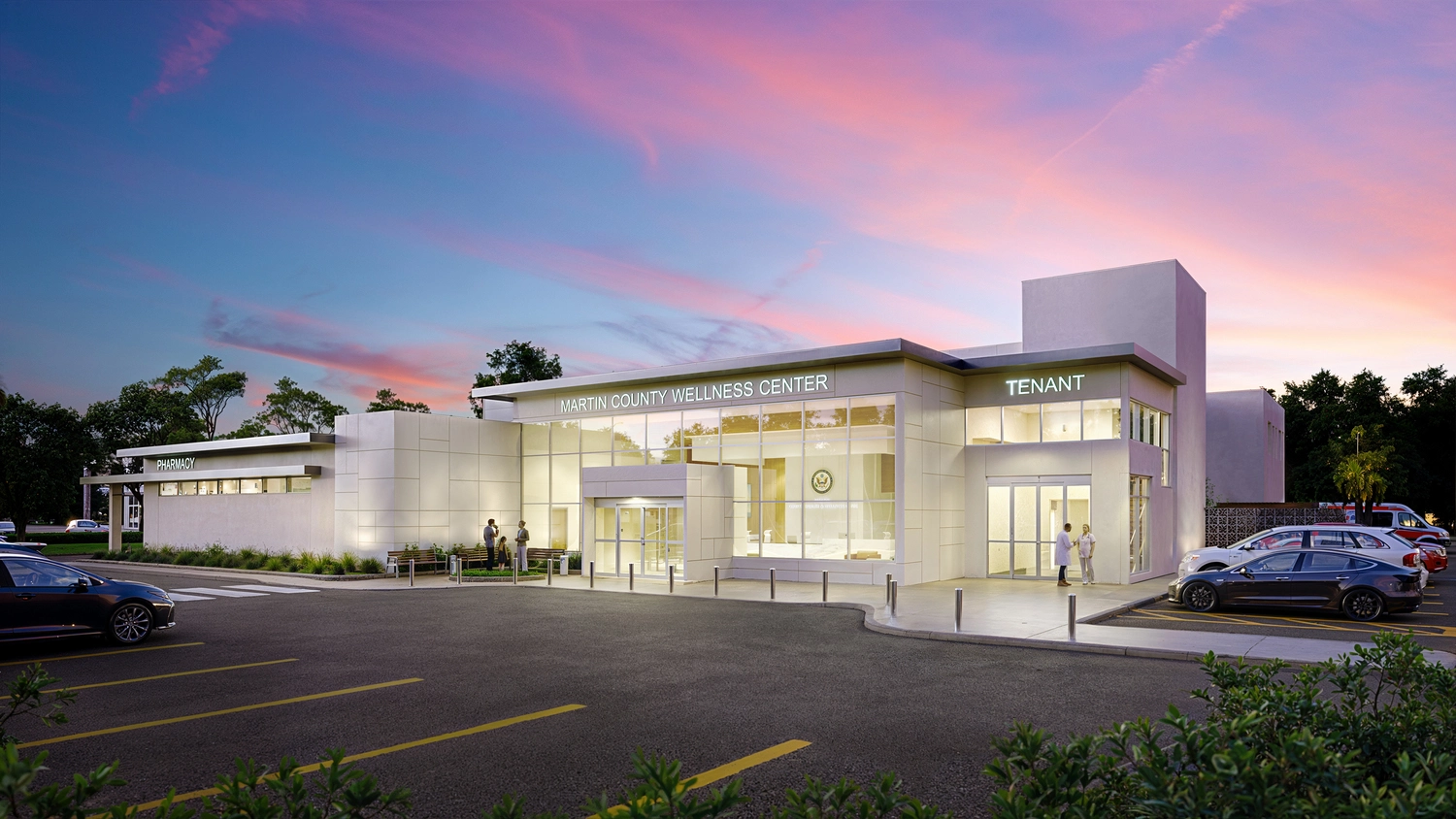
Artists select viewpoints that explain the building and its environment.
A street-level view may emphasize the entrance. A wider camera can show the site layout and outdoor amenities.
The team then produces preview images to review composition, exposure, and lighting balance.
5. Refinement and Final Delivery
After feedback, artists adjust materials, shadows, reflections, and atmosphere.
The final night 3D render is prepared at the resolution required for its intended use.
A professional workflow also includes checks for design accuracy, image consistency, and delivery formats.
For complex projects, 3D architectural visualization helps maintain a consistent digital scene across multiple views.
What Information Is Needed to Create a Night Render?
A studio can work more efficiently when the client provides clear project references.
Architectural Drawings and 3D Models
Plans, elevations, sections, CAD files, and existing models establish the building's geometry.
Facade Materials and Finishes
Material specifications, textures, and color samples help artists reproduce surfaces under artificial lighting in night renders.
Exterior Lighting Plans
Fixture layouts, light specifications, and reference images explain the intended lighting design.
Landscaping and Site Plans
Roads, paths, parking areas, trees, and outdoor amenities establish the surrounding environment.
Visual References and Desired Atmosphere
Examples of sky conditions, camera angles, and lighting styles help define the desired mood of a night view render.
Project Requirements and Deliverables
Clients should identify the target audience, image sizes, viewpoints, deadlines, and final formats.
Not every project needs complete technical documentation. A professional studio can review the available materials and identify what is missing before production starts.
Exterior Night Rendering Services by PIXREADY
PIXREADY works with architects, real estate developers, and businesses to create photorealistic exterior visuals for marketing and presentations. As a night rendering company, PIXREADY helps clients showcase building facades, lighting concepts, landscaping, and surrounding environments.
- Photorealistic Visualization: The team creates detailed architectural and product CGI, with accurate materials, natural reflections, and realistic lighting that reveal important design features.
- Marketing-Focused Visuals: PIXREADY's night visualization services help developers present planned properties through images designed for websites, brochures, advertising, and investor presentations.
- Fast, Scalable Production: As a professional exterior rendering studio, PIXREADY supports projects of different sizes, from private homes to large developments, while keeping visuals consistent.
- Reusable 3D Assets: Digital models can support multiple camera angles, lighting conditions, animations, and future marketing materials.
PIXREADY is an ideal partner for night view rendering services, combining photorealistic exterior visualization, realistic lighting, and marketing-focused CGI.
The following projects show this approach in practice.
Case Study: Private Home Exterior CGI
PIXREADY created private home exterior renderings for Hopper Communities, a US residential homebuilder. The project included four lighting scenarios: summer afternoon, autumn golden hour, twilight, and moonlit night.
The night renders highlighted the home's illuminated windows, architectural details, and atmosphere after dark. Each scene used carefully selected camera angles, lighting, and landscaping to present the same property in different settings.
The final images helped Hopper Communities market the home before construction began. They were ready for use on the company's website, in printed materials, and during sales presentations.
Case Study: Fish Farm 3D Visualization in Canada
PIXREADY created fish farm 3D visualization for a Canadian company developing an innovative fish farming facility. The project focused on presenting the proposed architecture and its surrounding landscape through realistic exterior visuals.
As a night rendering company, PIXREADY also has expertise in architectural lighting and atmospheric visualization, although this project focused on exterior and aerial views.
The deliverables included two visual formats: 3D renderings and animation. Together, these materials helped the client showcase the facility's design, explain its relationship with the surrounding landscape, and support business presentations and discussions with potential partners and stakeholders.
Conclusion
Nighttime 3D rendering helps developers show how architecture, lighting, and outdoor spaces work together after sunset. It adds information that daytime images may miss, especially for projects with distinctive facades or evening amenities.
For stronger property marketing, combine nighttime exterior visuals with daytime or twilight views. This gives buyers a clearer picture of the development.
Contact PIXREADY to discuss exterior visuals for your next architectural or real estate project.
Get 3d expert on your side
More than a 3D rendering vendor, PIXREADY acts as a strategic CGI partner helping brands
сreate scalable visual content for marketing, sales, and product launches. Let's explore your
project and discuss how CGI can support your business goals!

Founded by a group of technology, architecture, and design professionals in 2018, PIXREADY is one of the challengers empowering the 3D visualization industry and making its products and services more affordable.We are determined to assist businesses around the world to create photorealistic images of their products and ideas and enrich the experience of their clients. We focus on the details, with the highest precision in every pixel.