3D Rendering Prices & Cost Guide
Understanding 3D rendering pricing can feel complex because every project is unique. Costs depend on scene complexity, realism level, number of visuals, and production timeline.
This guide explains how pricing works, what influences project cost, and typical starting points for professional 3D visualization services so you can be more confident in your expectations.
How Much Does 3D Rendering Cost?
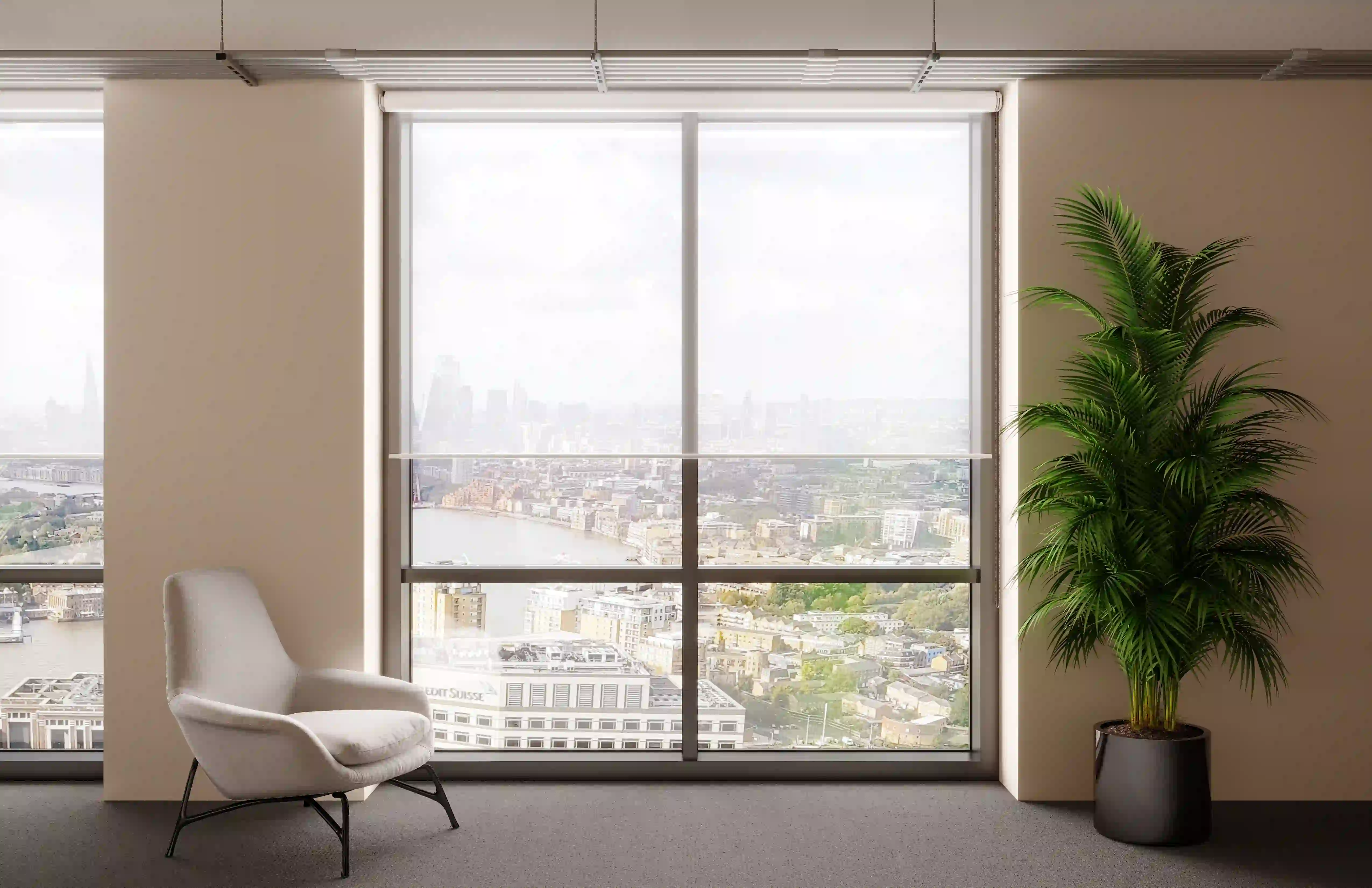
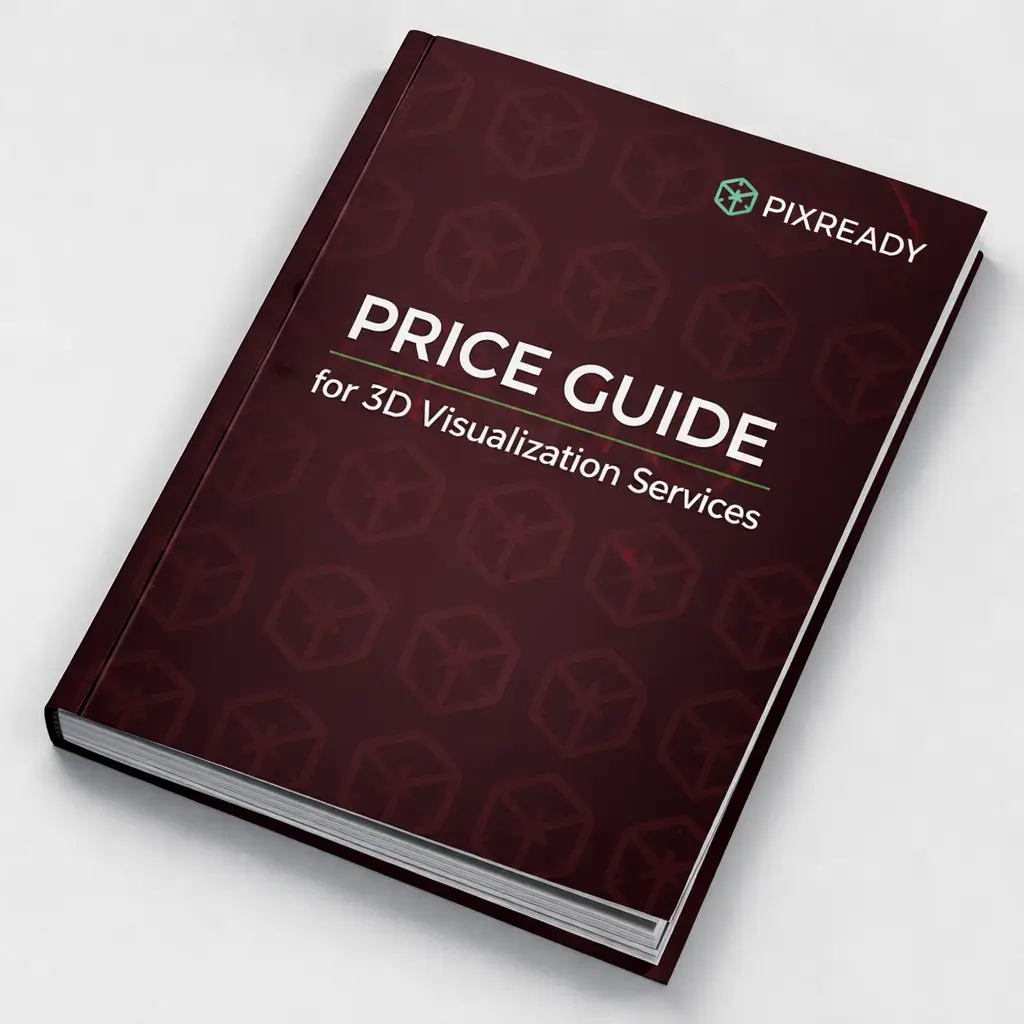
The cost of 3D rendering varies widely depending on the type of service, complexity of the scene, and level of realism required. A simple product render and a fully styled architectural animation involve very different production efforts, timelines, and technical requirements. For a more detailed overview of service types, scope examples, and typical budget expectations, you can request our full pricing guide.

What Affects 3D Rendering Pricing?
Several factors influence the final cost of visualization:
3D Product Modeling
3D product modeling is the foundation of any product visualization project. Complexity depends on geometry detail, surface structure, number of components, and precision requirements. Simple models with basic shapes require less production time, while products with intricate parts, curves, engravings, or mechanical elements demand significantly more work. Accuracy level, file purpose (rendering, animation, configurator, or manufacturing), and reference quality also influence modeling scope.


3D Product Visualization
Product visualization ranges from simple catalog renders to highly stylized marketing scenes. Complexity depends on geometry, materials, finishes, and whether the product is shown alone or within a realistic environment. Reflective, transparent, textured, or organic materials require additional setup and lighting precision. Animations, multiple color variations, or configurator-ready assets also expand production scope.
Interior Rendering
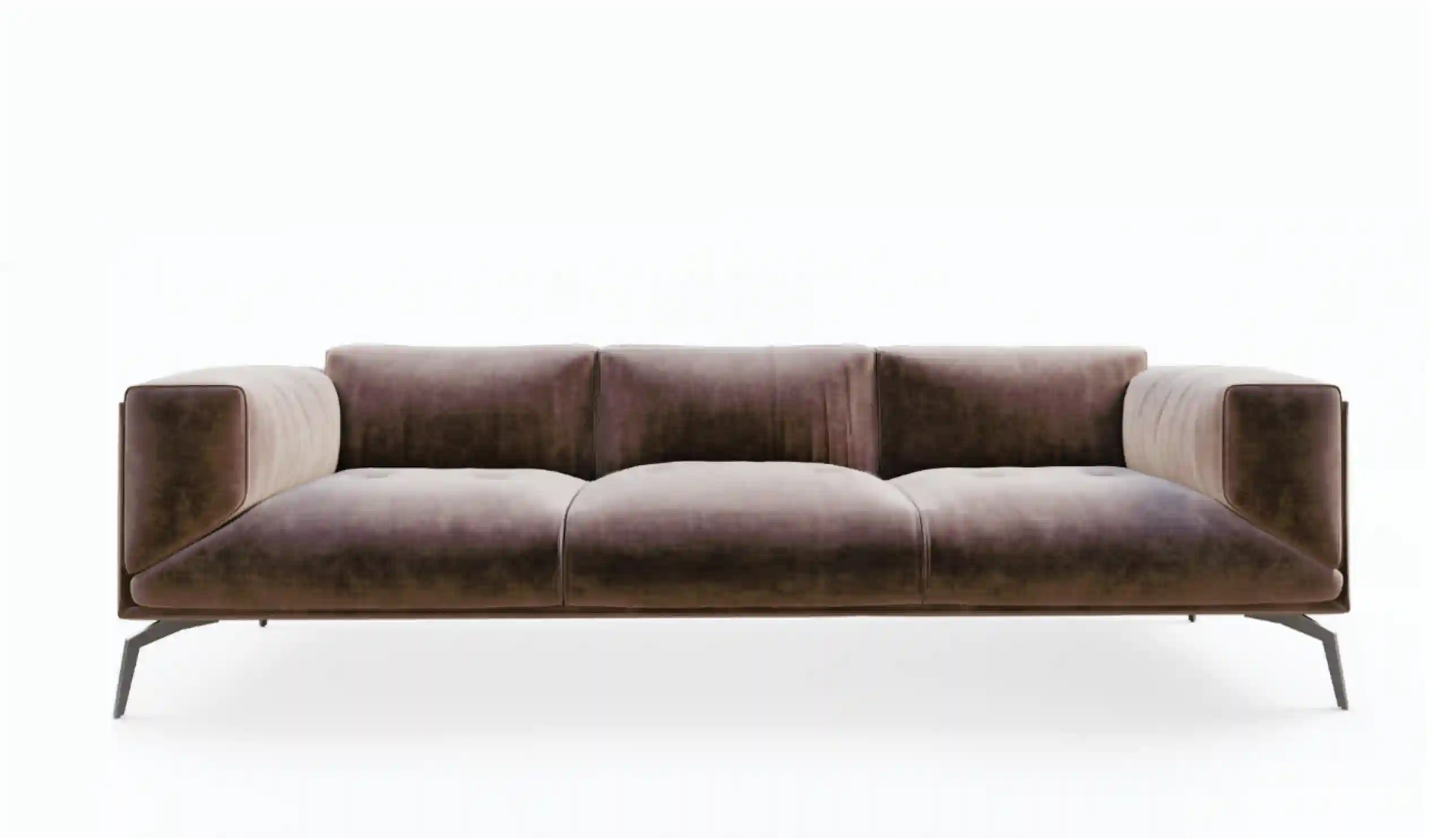
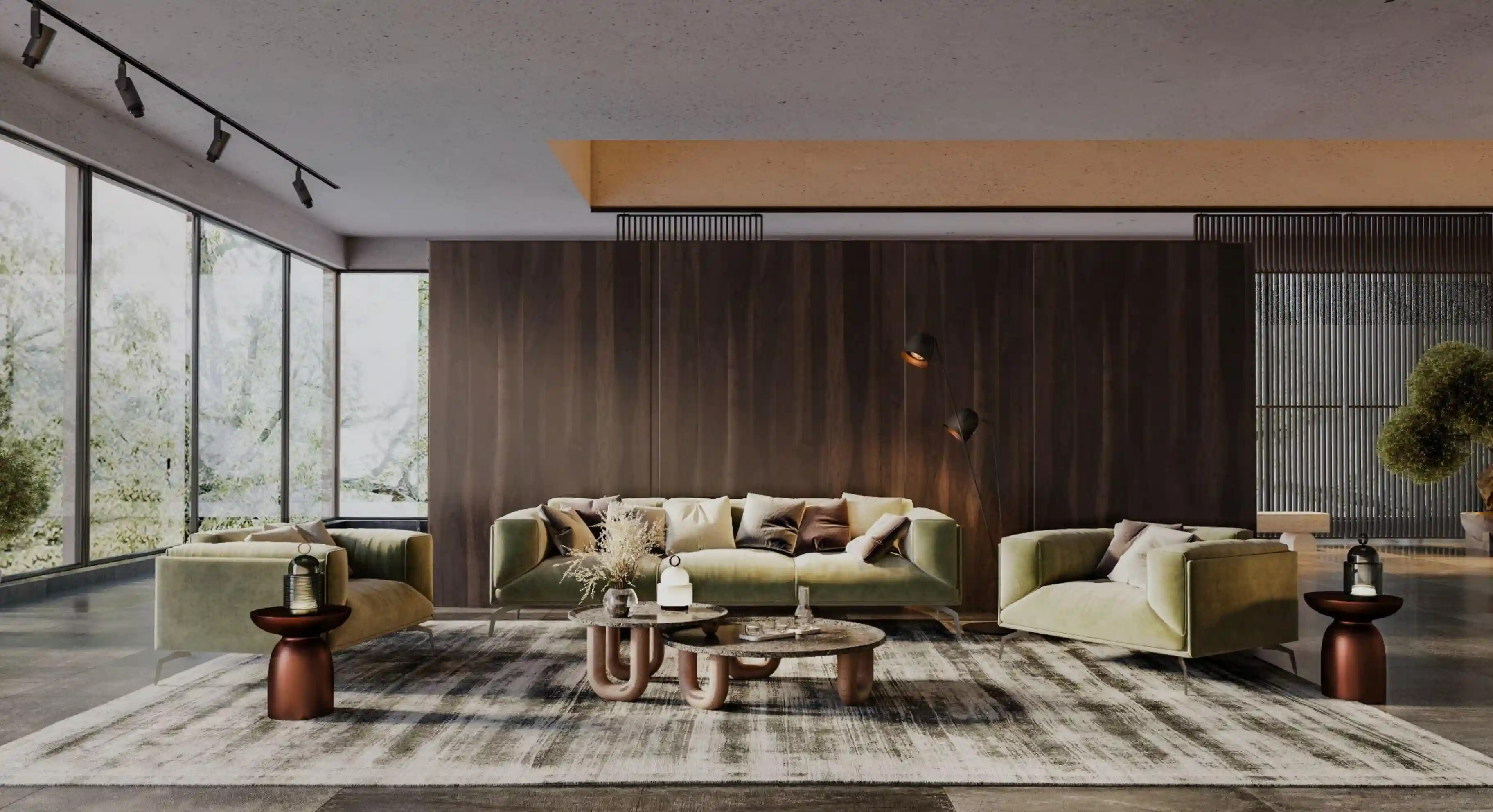
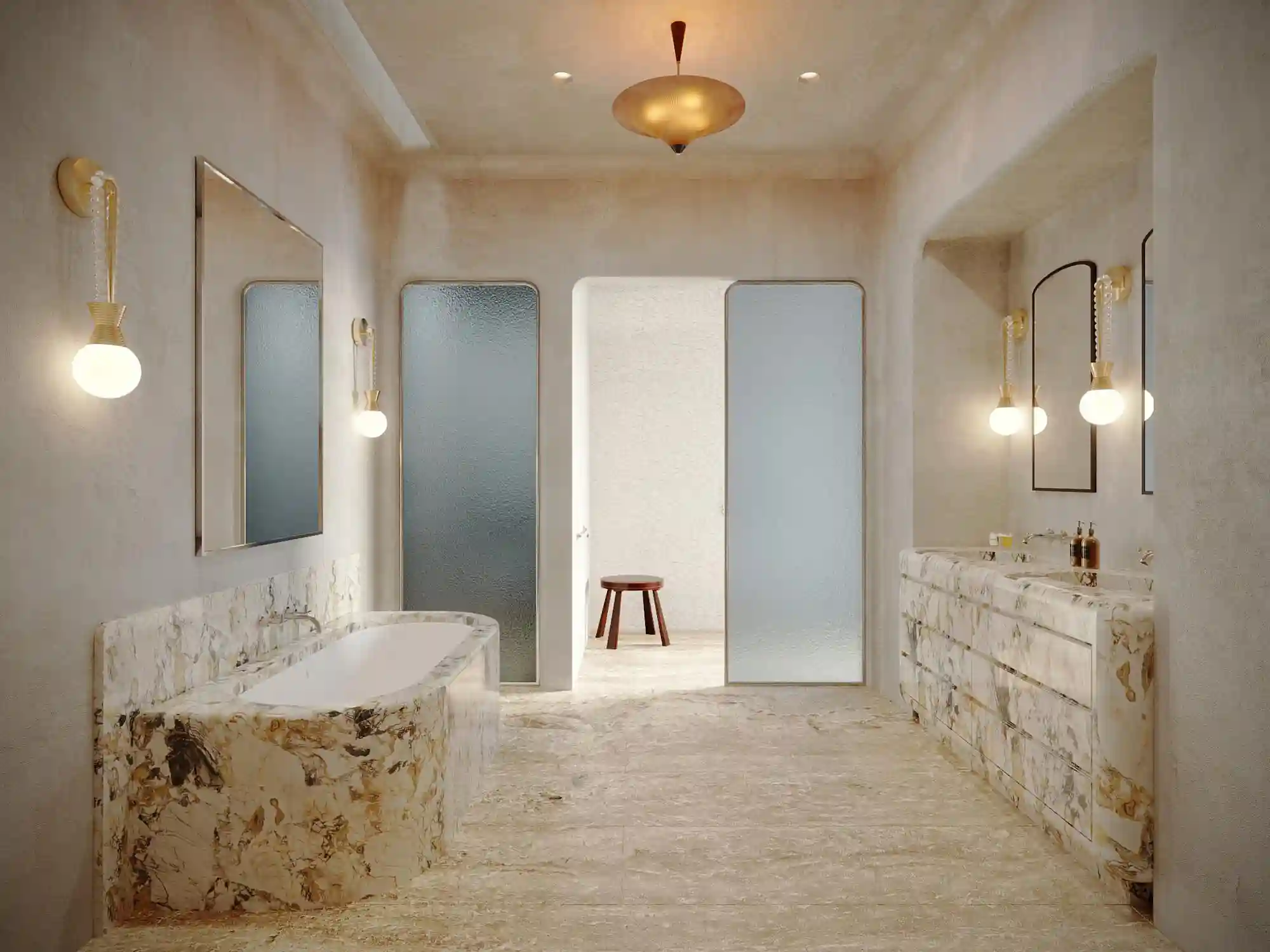
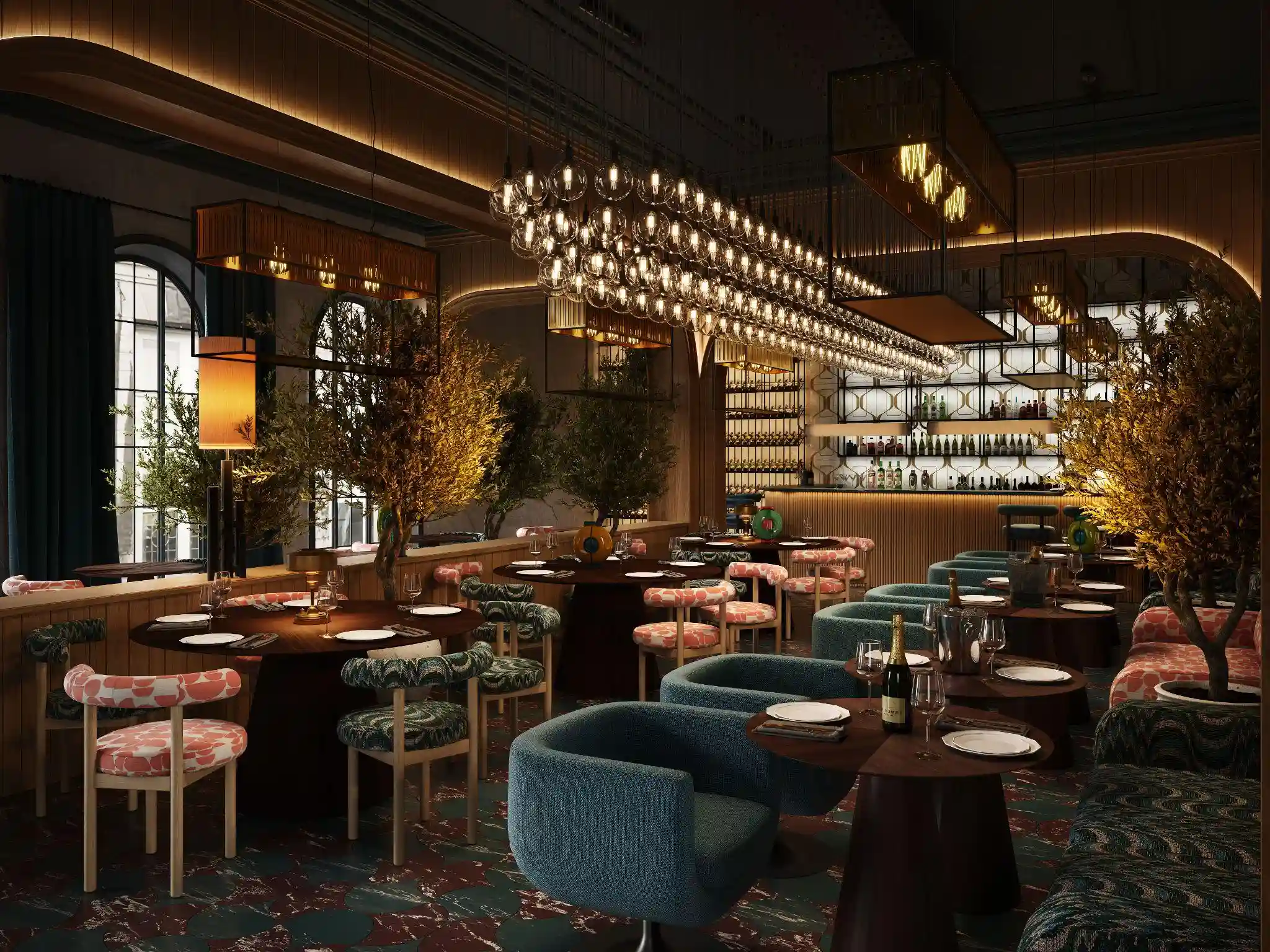
Interior visualization can range from minimal layouts to fully styled photorealistic spaces. Pricing complexity depends on room size, furniture detailing, custom modeling, and lighting setup. Styled interiors with decor elements, textiles, and layered materials require more composition and refinement. Additional camera angles or close-ups increase overall production workload.
Exterior Rendering
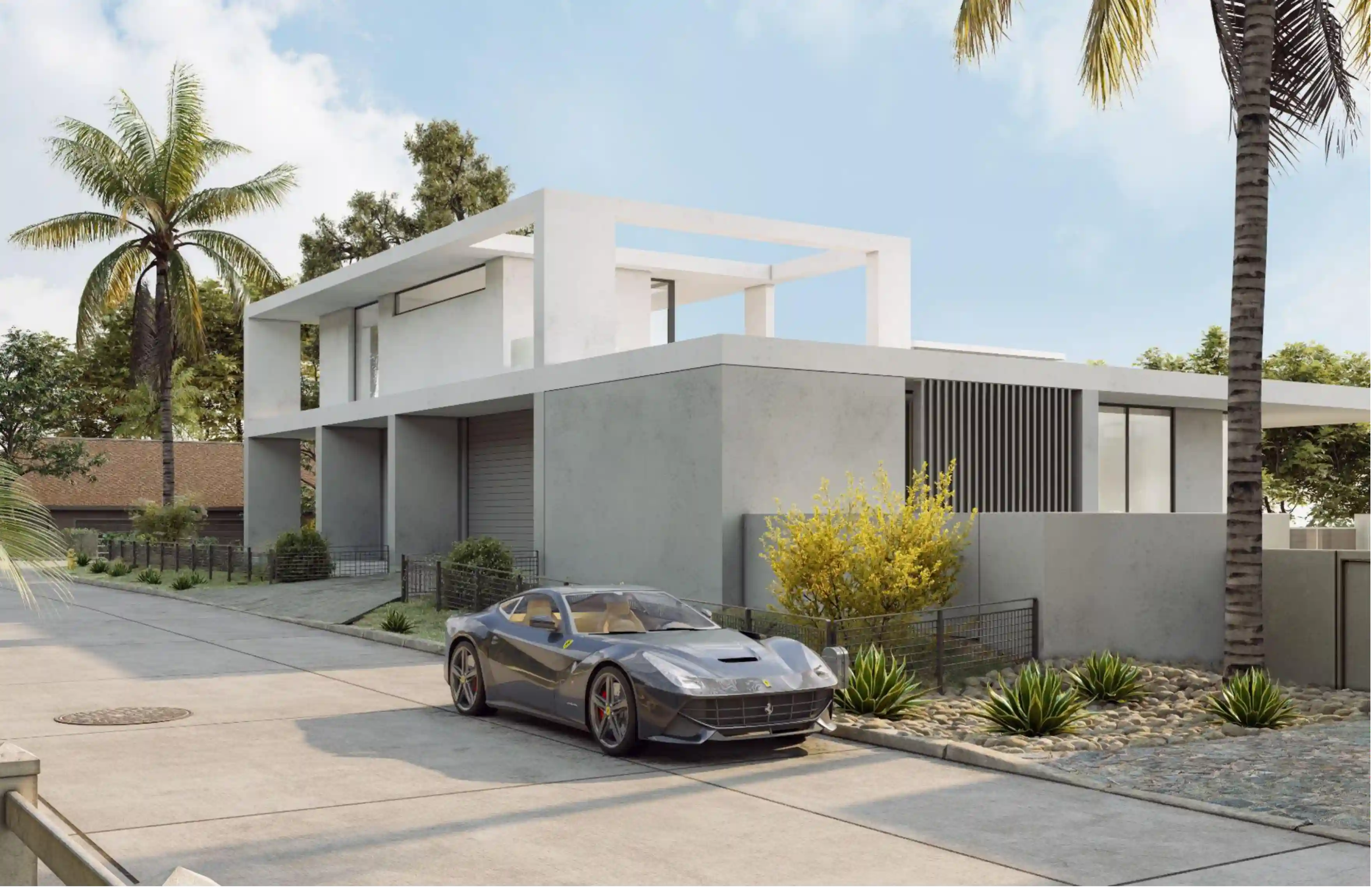
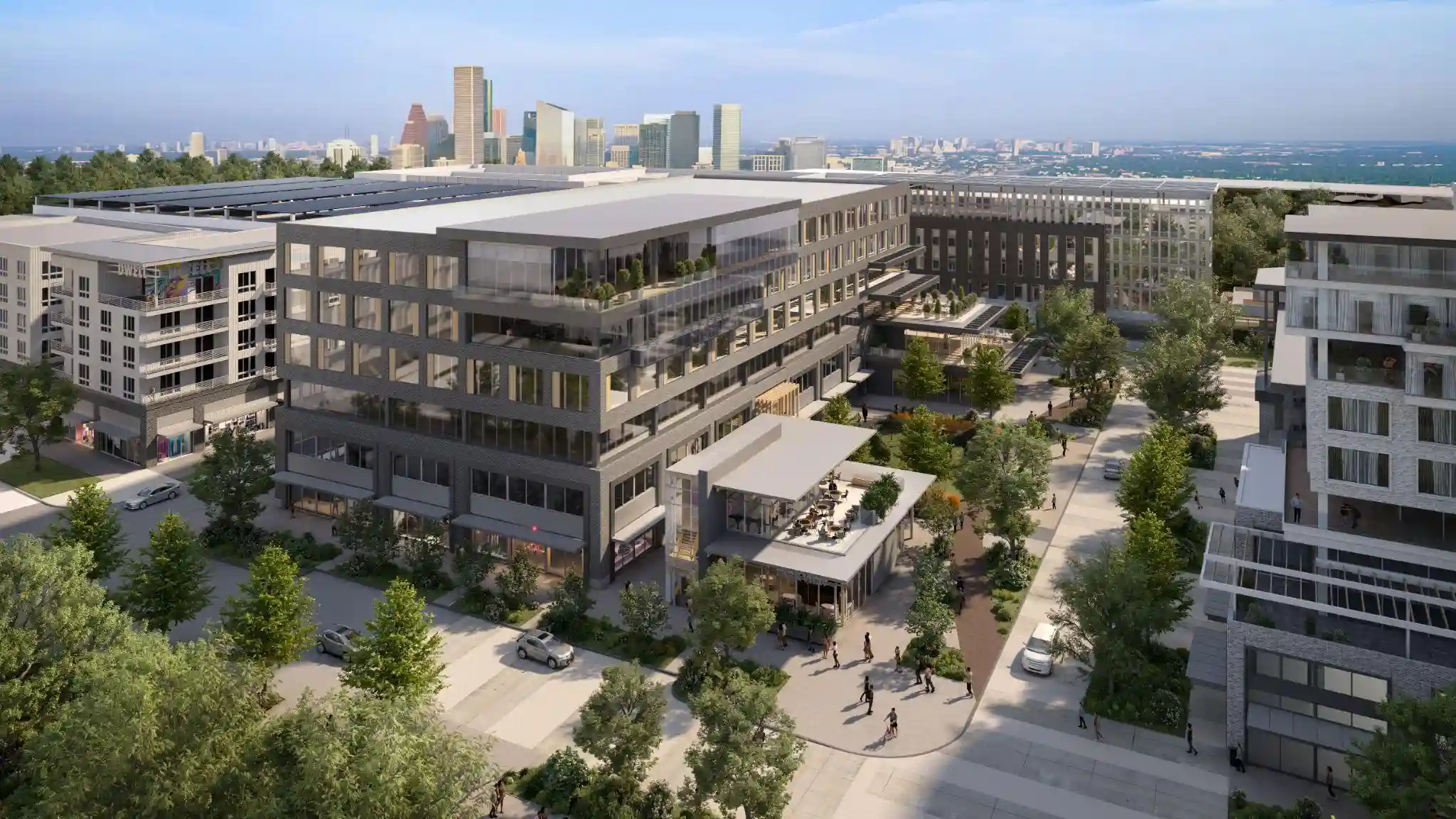
Exterior renders vary depending on architectural scale, landscaping, lighting conditions, and environmental detail. A single building view requires less setup than a full development scene with surrounding infrastructure and vegetation. Aerial perspectives, large sites, or multi-building compositions significantly increase complexity. Weather conditions, time-of-day lighting, and realism level also influence production scope.
Animations & Interactive Visualization
Animated and interactive formats require multiple production stages, including scene optimization, camera planning, rendering sequences, and post-production. Complexity depends on duration, scene density, realism level, and motion detail. Smooth transitions, environmental simulations, and dynamic lighting require more rendering resources. Interactive walkthroughs may also require optimization for performance and usability.
Why Prices Differ Between Studios
Price differences between visualization studios usually reflect production quality, artist expertise, workflow structure, and revision flexibility. Lower pricing often indicates simplified lighting, limited detailing, or fewer revision rounds. Higher-end studios invest more time in material accuracy, composition, and refinement. Ultimately, pricing reflects the level of visual impact and production precision required.
Is 3D Rendering Worth the Investment?
Professional visualization helps businesses present ideas clearly, attract investors, improve marketing performance, and accelerate decision-making. High-quality visuals reduce misunderstandings, shorten approval cycles, and strengthen presentations. For many industries, visualization is not just a design tool but a strategic communication asset.
Why Choose PIXREADY?
Choosing a visualization studio is not only about price — it is about reliability, communication, and results.

Structured production workflow
PIXREADY operates with a clear step-by-step pipeline that ensures predictable timelines and transparent communication.

Award-winning quality standards
We focus on lighting hierarchy, physically accurate materials, and composition precision to achieve marketing-ready visuals.

AI-enhanced efficiency
Where appropriate, we strategically integrate AI tools into our workflow to accelerate selected stages such as draft generation, variation testing, or asset preparation. This allows us to deliver more output faster without increasing budget, while final visuals remain fully artist-directed and quality-controlled by our specialists.

Industry versatility
From product manufacturers and furniture brands to real estate developers and architects, our team adapts to various industries and presentation goals.

Scalable project management
Whether you need a single render or a multi-asset presentation package, our workflow scales efficiently while maintaining consistent quality.

Client-focused collaboration
Clear briefing, transparent pricing, structured feedback rounds, and proactive communication minimize revisions and ensure smooth delivery.
We approach every project not just as image production, but as visual problem-solving.
How to Receive an Accurate Quote
To prepare a precise estimate, most projects require:
- drawings, CAD files, or dimensions
- reference images or mood boards
- number of views
- deadline
- resolution or output format
Clear project information allows for faster evaluation and a more accurate proposal.
Not sure what to prepare?
Download our Project Start Checklist to see exactly what materials are needed for each service type.
Send your materials and receive a tailored quote with timeline and production recommendations.


.webp)