Residential Rendering: A Complete Guide for Architects & Designers
Discover how to choose the right residential rendering partner to maximize the benefits for architects and designers.

Discover how to choose the right residential rendering partner to maximize the benefits for architects and designers.
In the modern real estate and design industry, clear visual communication has become essential. Many architecture and design teams struggle to explain concepts before construction begins. This article examines how residential render helps address this issue. It transforms ideas into clear, photorealistic visuals.
You’ll learn what it is, why it matters, how it adds value, and how to use it effectively in both design and marketing.
Residential renderings are the process of creating lifelike digital images of homes, apartments, villas, townhouses, or large residential complexes. These visuals depict how the future space will appear once construction is complete. They show a vision long before any physical work begins.
There are two main categories: interior and exterior. Interior visuals focus on rooms or living spaces, highlighting materials, lighting, and furniture. Rooms can have different purposes. Exterior visuals show facades, landscaping, site context, and atmosphere. Both options are essential. Exterior and interior images solve various problems during the design and approval stages.
These visuals are widely used by architects, interior designers, real estate developers, and marketers. They appear in design presentations, sales brochures, websites, pitch decks, and real estate listings. Residential renders help clients understand the final look of a project more clearly and confidently. A project can range from a single-family home to a large residential community.
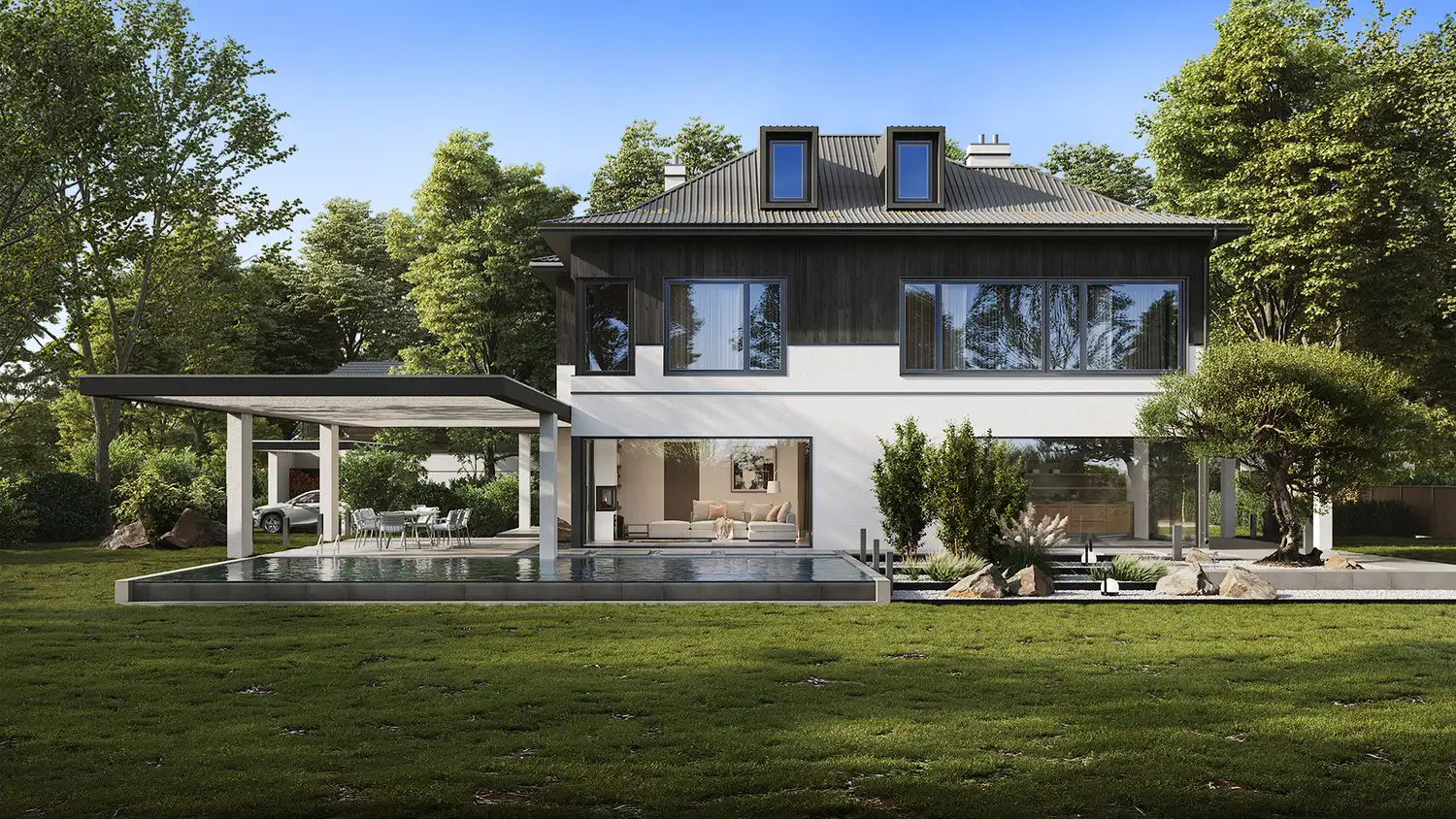
High-quality 3D residential render offers more than beautiful pictures. It supports faster decisions, stronger communication, and better financial outcomes. The presentation must be supplemented with visual material. Below are the core business benefits.
During the early planning stages, clients often struggle to imagine how materials, colors, or layouts will work together. 3D residential renders enable architects to test multiple design variations quickly. By switching wall colors, flooring types, or lighting options in a digital model, teams can validate ideas without extra construction costs.
This approach significantly reduces change orders, which are often expensive and time-consuming. With clearer visuals, clients approve concepts more quickly because they have a better understanding of what they are getting.
Traditional drawings can be confusing for individuals without a technical background. Floor plans, sections, and elevations require a trained eye. Residential architectural rendering solves this by showing the design in a familiar, real-life perspective.
Clients can immediately see how spaces will feel, how light enters a room, or how exterior materials look at different times of the day. This reduces misunderstandings, eliminates multiple revision cycles, and builds trust between architects and clients.
Municipalities, HOAs, and planning boards often require clear visual proof before approving construction. High-quality residential rendering services help showcase a project’s scale, materials, and how it integrates with the surroundings. When authorities can easily understand the design, approvals move faster, and the project stays on schedule.
Real estate developers and agencies depend on strong visuals to sell or lease units before construction is finished. In this context, real estate visualisation plays a key role in communicating value, lifestyle, and design intent before construction begins. 3D residential renderings appear in brochures, social media ads, websites, and outdoor banners. These photorealistic images help buyers connect with a property and make faster decisions.
They also help buyers who live abroad. Clear visuals enable them to explore the property remotely and make informed investment choices.
For large projects, developers often request both exterior and interior 3D residential rendering. These images show the lifestyle, mood, and look of the community.
Physical models are expensive and time-consuming. Using residential rendering service, architects can present the same ideas with higher detail and lower cost. Digital visuals also reduce the need for revision rounds, allowing teams to progress through stages more efficiently.
Professionalism in creating visuals pays off handsomely, saving time and money later on at all stages of project development and approval.
Outsourcing these visuals to professional residential rendering companies often saves even more time and budget, especially for large or complex projects.
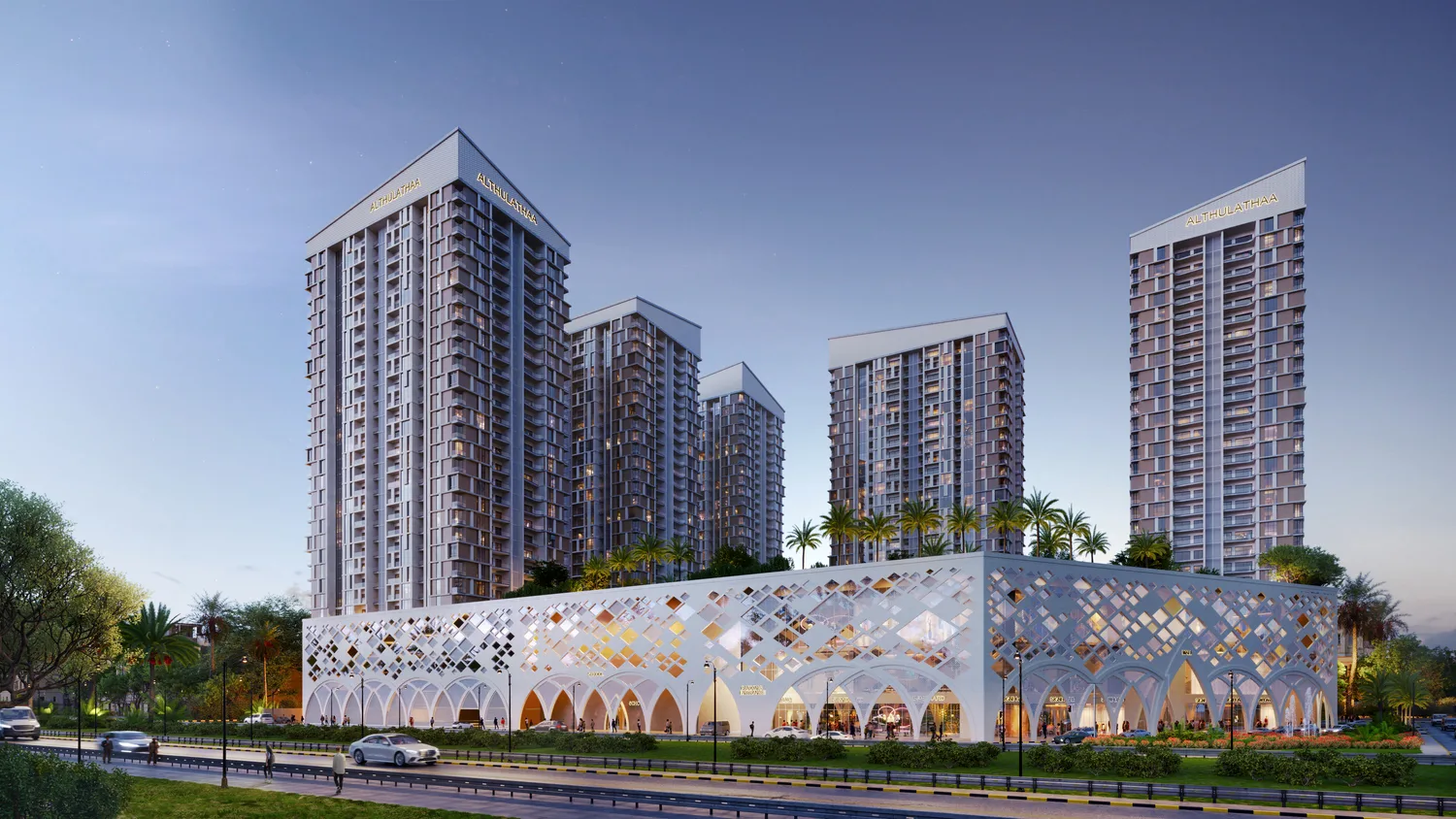
Projects, especially complex ones, typically combine different types and styles of visualization. This is necessary to show all perspectives and the whole vision. Below are the most common types of residential 3d rendering used in modern architecture and real estate.
Exterior visuals showcase building facades, landscaping, outdoor lighting, and the surrounding environmental context. They often include shots of day, dusk, or night. See examples in the PIXREADY portfolio, such as high-end villa visualization or residential community projects.
Interior visuals showcase the room’s functionality, materials, décor, and natural/artificial lighting. Designers use residential 3d render to explore furniture layouts and material combinations. Visualization of textures is also used here, emphasizing coziness and mood.
Aerial rendering provides a broader view of the site context, including roads, neighboring buildings, green spaces, and infrastructure.
Immersive tours allow clients and investors to explore spaces from any angle. This type of residential building rendering is beneficial for large-scale developments.
Floor plan visuals provide clear overhead layouts. Axonometric views show spatial relationships without distortion. Architects use these in presentations and early design discussions. PIXREADY explains more in its guide to 3D floor plans.

Residential renderings are widely used across various parts of the real estate and construction industries because they help teams communicate ideas clearly and make informed decisions with confidence. For architecture and design studios, 3D visuals support concept validation, early-stage design reviews, and material studies. These detailed images enable architects to test ideas, compare options, and present solutions to clients before proceeding with the project.

The cost of residential architecture rendering can vary widely, and a combination of technical, artistic, and project-specific factors usually determines it. The final price depends on elements such as the overall:
Projects with custom furniture, intricate façades, or detailed outdoor areas naturally require more production time.
Another key factor is the timeline. Expedited delivery often increases the price because the visualization team must dedicate more resources to meet the deadline. Costs also differ based on the type of deliverables: still images are typically more affordable, while animation, walkthroughs, or virtual tours require additional modeling, lighting setups, and rendering time.
In general, interior visuals cost less than large exterior scenes because they focus on a contained space. Large residential complexes, aerial views, and master-planned communities fall into a higher pricing tier.
Outsourcing work to a professional residential rendering studio helps reduce internal workload. A specialized team manages modeling, lighting, post-production, and revisions, allowing architects and developers to concentrate fully on design and project strategy.
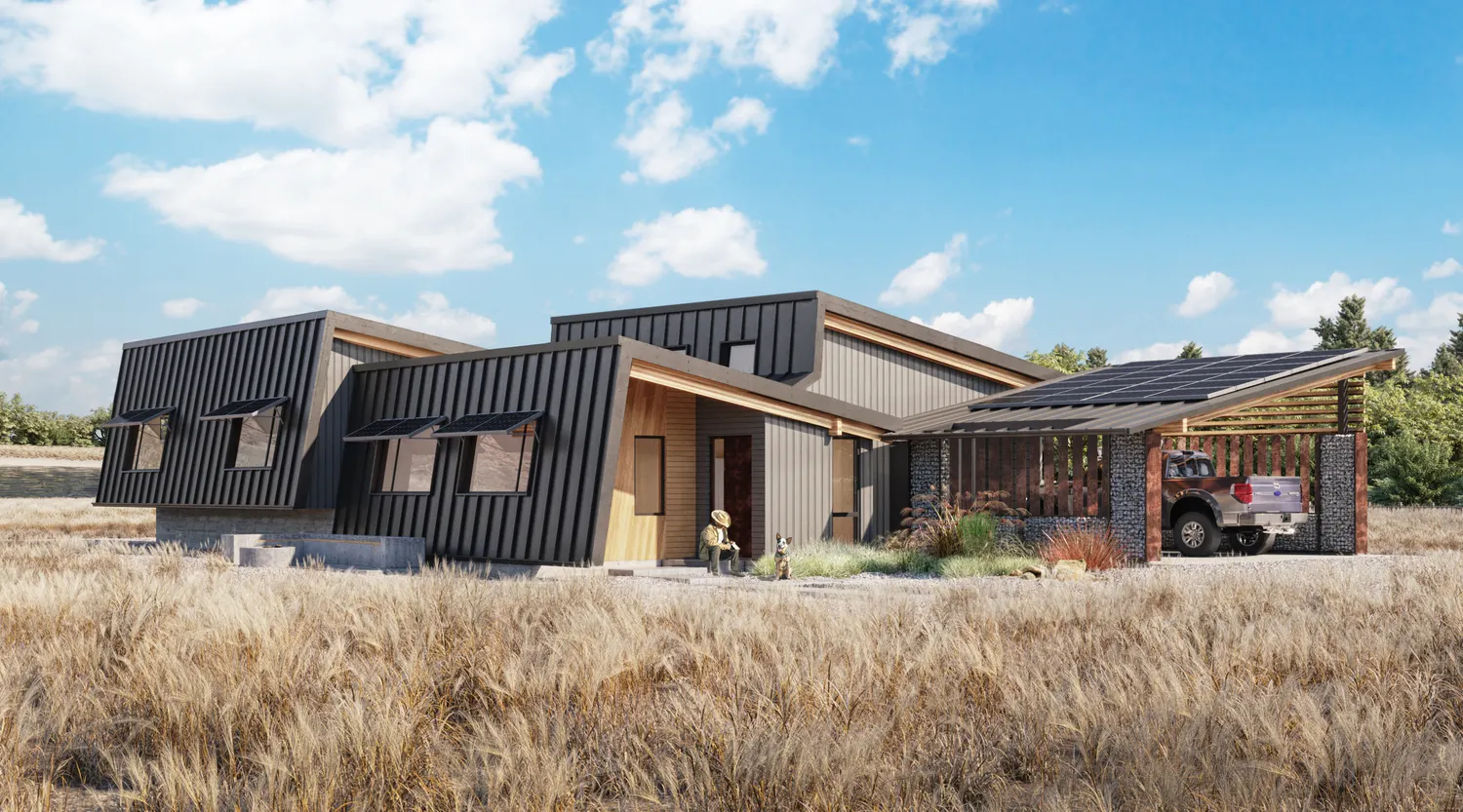
PIXREADY is a leading residential rendering company that creates clear and engaging 3D visuals for clients worldwide. Our team collaborates with architects, developers, interior designers, and marketing agencies on a wide range of projects. PIXREADY’s 3D visualizations are included in a groundbreaking publication on global design trends.
These include single-family homes, private villas, luxury buildings, and whole master-planned communities. We transform architectural plans into precise 3D models that adhere to real-world construction standards and specifications. We use the best architecture rendering software.
Photorealism is at the center of our work. Every residential render looks true to life, with realistic materials, lighting, and textures. This detail helps clients, buyers, and investors understand a project before construction begins. As a result, they can make decisions more quickly and with greater confidence.
PIXREADY is also known for its strong style matching. Whether a project requires a modern, luxury, regional, or custom look, we tailor our visuals to align with the client’s vision. Fast delivery and smooth communication make the workflow simple and predictable.
Our portfolio includes many modern and high-end residential developments from global markets. These projects demonstrate our ability to work with diverse styles and scales while maintaining high quality. With this experience, PIXREADY is a trusted partner for anyone who needs clear and impactful residential renderings.
PIXREADY is the ideal partner for architecture firms, developers, and designers. For anyone who wants to show their vision through excellent visualization.
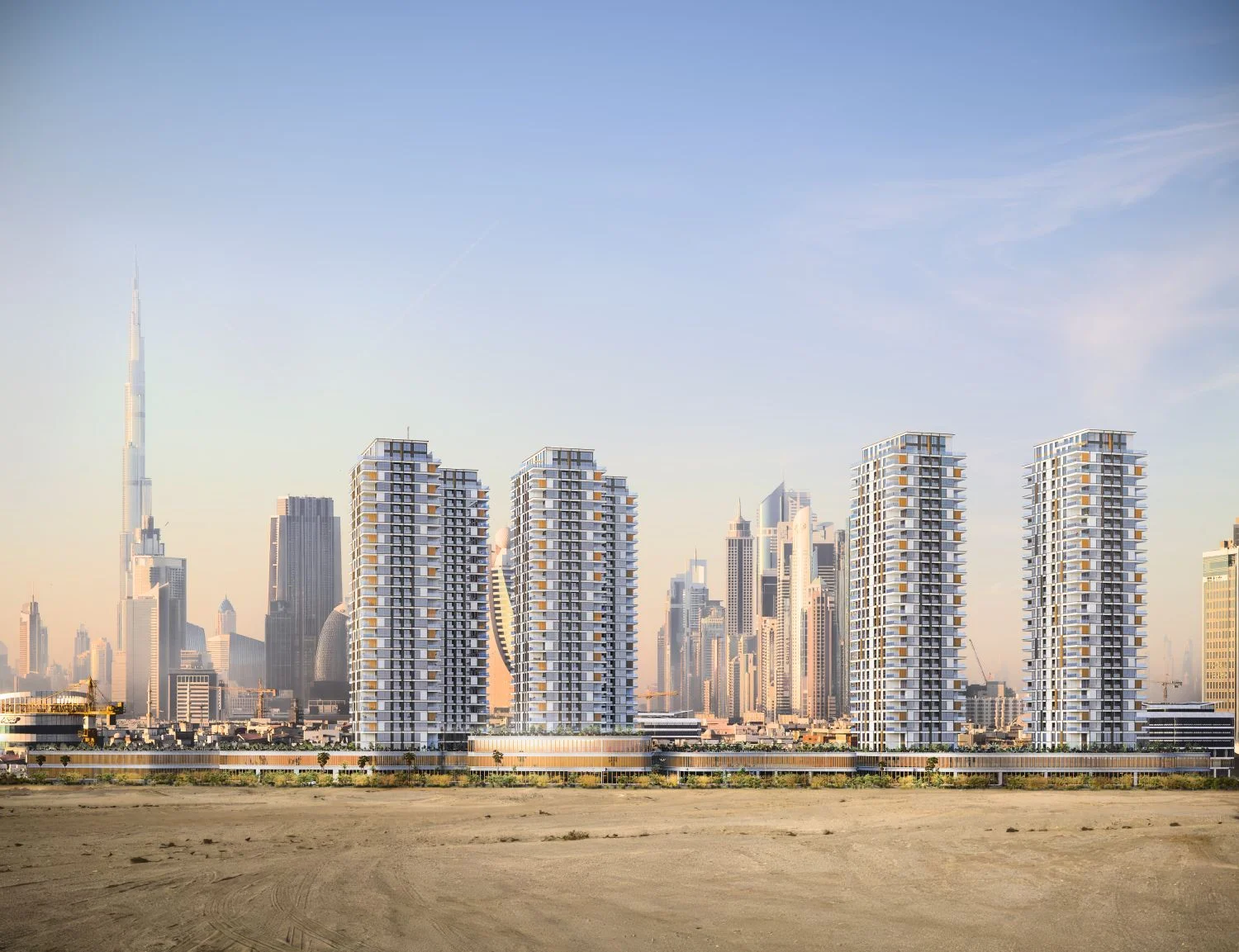
PIXREADY created full residential renders of a large residential compound in Dubai. It helps investors clearly understand the project before construction begins.
This rendering of the residential complex included detailed exterior modeling and realistic landscaping. It also included nearby infrastructure and various lighting schemes. All this was necessary to show how the area appears throughout the day. PIXREADY also added people to the scenes to highlight the active outdoor lifestyle and the modern urban atmosphere.
Results:
The project shows PIXREADY’s ability to work with complex architecture, modern design, and high-rise planning. It's a shining example for those creating new residential complexes or entire neighborhoods.
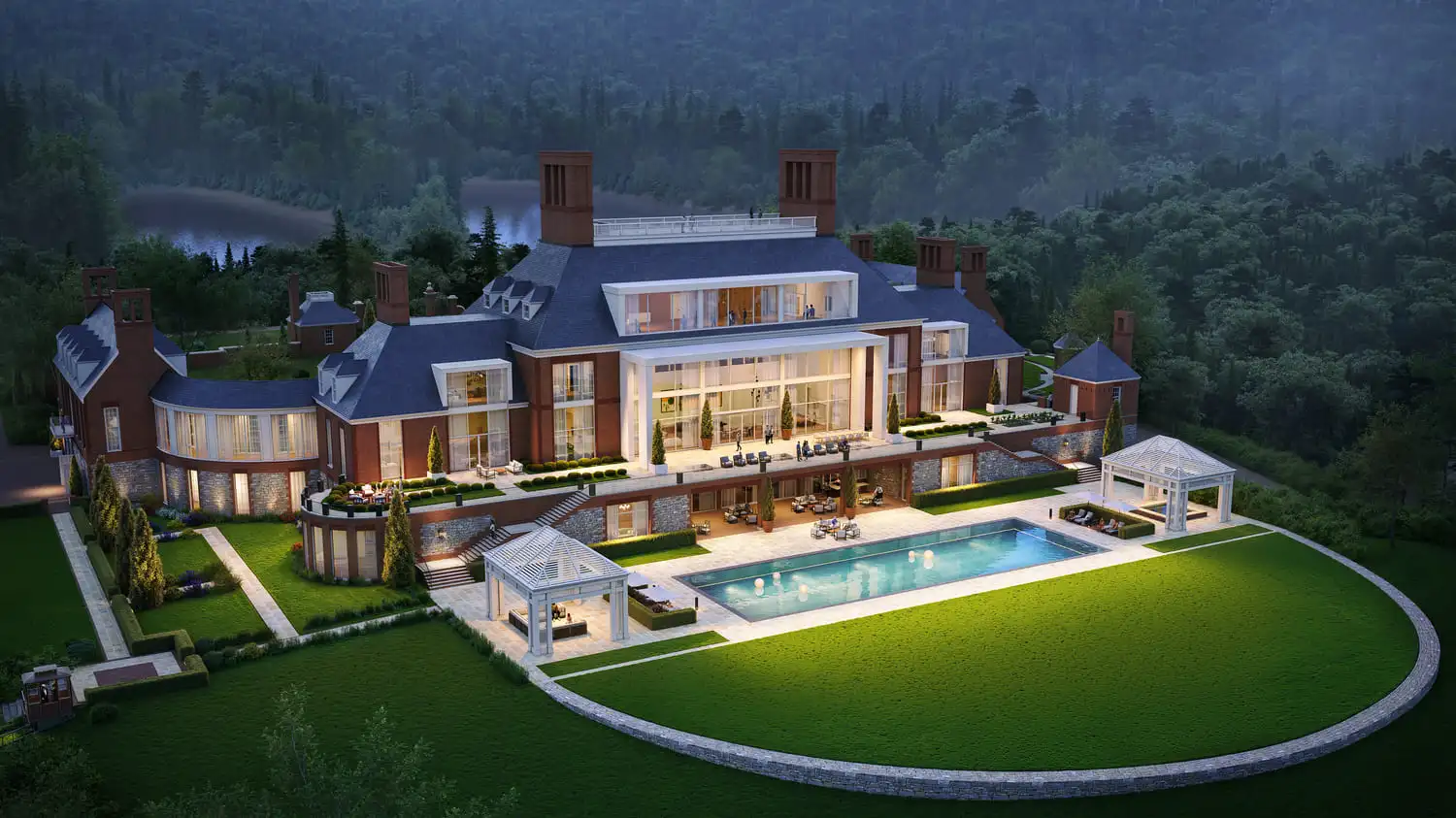
PIXREADY created a high-end 3D residential visualisation of a luxury residential complex in the Middle East. It vividly and in detail showcased the Yarmouk complex in Baghdad.
The project focused on premium facades, elegant materials, and a lifestyle centered on comfort and security. Photorealistic lighting and textures highlighted the luxury finishes and inviting communal spaces.
Results:
These residential renderings helped buyers see the project’s vision and understand the level of comfort it offers. The realistic 3D scenes also strengthened the compound’s reputation as a top choice for families and investors. This example shows PIXREADY’s strong skills in creating premium residential visuals in the region.
Residential visualization is an important part of modern architecture, design, and real estate marketing. It helps teams make faster decisions, explain ideas more clearly, and present projects with confidence. Whether you are an architect, developer, or homeowner, high-quality visuals are now essential.
If you want to improve your presentations, marketing, or client communication, a professional studio like PIXREADY can help you achieve strong and reliable results.
More than a 3D rendering vendor, PIXREADY acts as a strategic CGI partner helping brands
сreate scalable visual content for marketing, sales, and product launches. Let's explore your
project and discuss how CGI can support your business goals!

Stas Dunaevskiy is an Account Manager and Business Development Specialist at PIXREADY, a company focused on scalable CGI production and architectural visualization. He helps clients explore the possibilities of cutting-edge CGI technologies, with a special focus on immersive 3D walkthroughs, virtual tours, and architectural visualization. He has worked with real estate developers, construction companies, and product manufacturers, guiding them toward solutions that bring their projects to life and support business goals. With his consultative approach, Stas ensures that each PIXREADY project combines creative vision with the latest advancements in 3D visualization.
Residential 3D rendering is the process of creating lifelike digital images of homes, apartments, villas, townhouses, or large residential complexes. These visuals show how a future space will look once construction is complete. Architects, interior designers, real estate developers, and marketers use them in design presentations, sales brochures, websites, pitch decks, and real estate listings.
The main types are exterior, interior, aerial and drone-based, 360° virtual tour and walkthrough, and floor plan and axonometric renders. Exterior renders show facades, landscaping, and lighting at day, dusk, or night; interior renders show materials, décor, and furniture layouts; aerial renders show roads and neighboring buildings; floor plans give overhead layouts, and axonometric views show spatial relationships.
Residential renderings help investors understand a project before construction begins. Developers use 3D apartment renderings in investor presentations, construction companies use them for investor communication, and 360° virtual tours let investors explore large developments from any angle. Buyers abroad can also explore properties remotely and make informed investment choices.
Yes, residential renderings show a project as it will appear once construction is complete, long before any physical work begins. Teams can test wall colors, flooring, and lighting in a digital model without extra construction costs, speed up approvals from municipalities, HOAs, and planning boards, and sell or lease units before construction is finished.
Residential 3D rendering starts with architectural plans, which PIXREADY transforms into precise 3D models that follow real-world construction standards. Visuals are then tailored to the desired style, whether modern, luxury, regional, or custom, and the project's vision, so architectural plans, style direction, and the required views are the core inputs.
The cost of residential rendering depends on architectural complexity, the number of views, and detail level in textures, materials, landscaping, and surroundings. Custom furniture, intricate façades, and detailed outdoor areas add production time, expedited delivery raises the price, and animation or virtual tours cost more than still images. Interior visuals cost less than large exterior or aerial scenes.
PIXREADY approaches 3D residential renders with photorealism at the center, using realistic materials, lighting, and textures so clients, buyers, and investors understand a project before construction begins. PIXREADY's team works with architects, developers, interior designers, and marketing agencies on villas, single-family homes, luxury buildings, and master-planned communities, with fast delivery and smooth communication.
PIXREADY has visualized a large residential compound in Dubai and the Yarmouk luxury residential complex in Baghdad. The Dubai project delivered faster design approval, higher early marketing engagement, and a clear investor presentation. The Yarmouk project delivered stronger marketing visuals for high-end buyers, clear material studies, and enhanced investor confidence.
.webp)

.webp)