3D Medical Visualization Services
Precise medical product visualization and 3D modeling that present devices, equipment, and instruments clearly to buyers, clinicians, and investors.
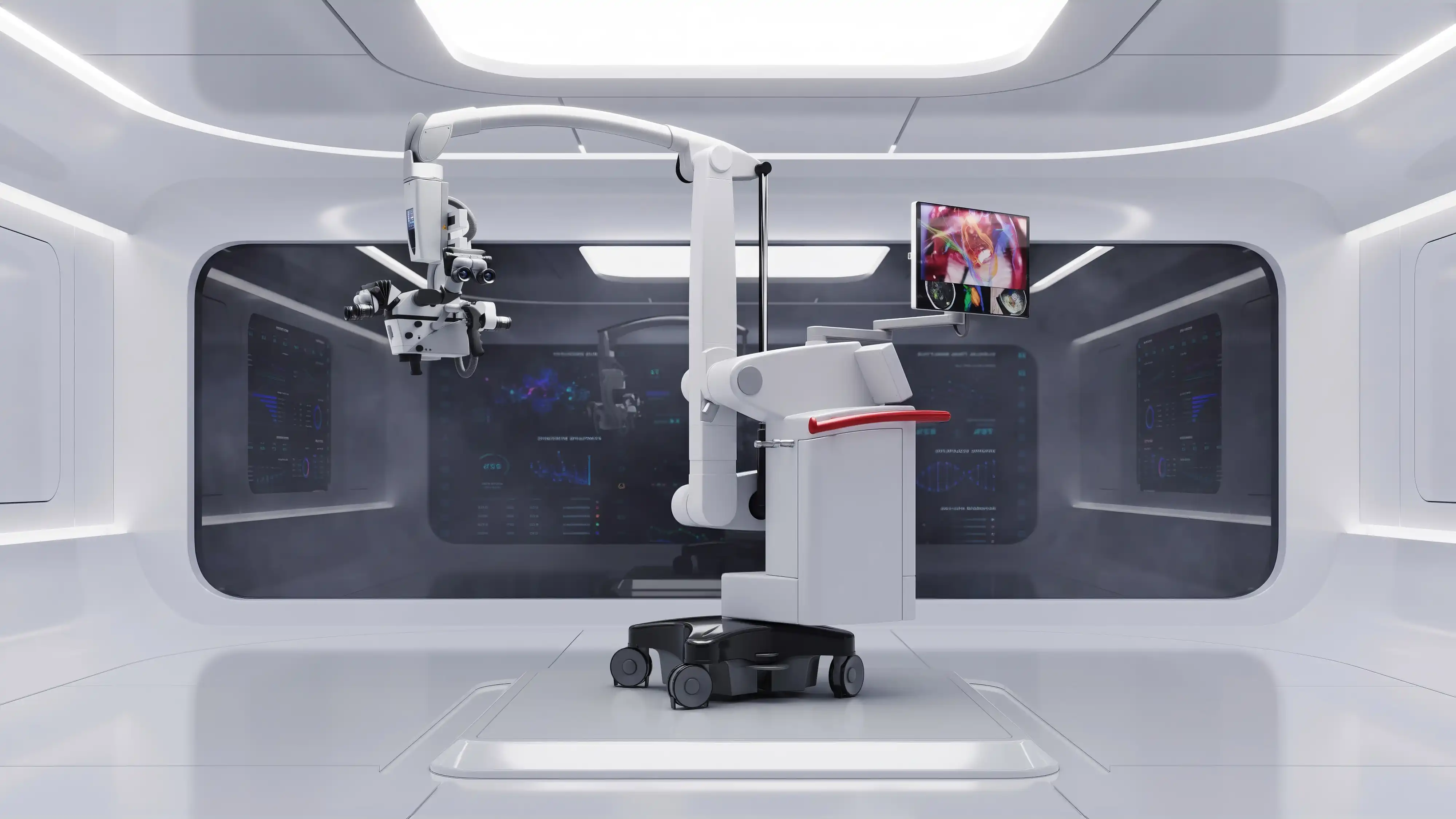
Present Devices Clearly with 3D Medical Visualization Services
Medical manufacturers can present devices, instruments, and equipment before producing prototypes. PIXREADY is a 3D medical visualization company that turns CAD files, engineering drawings, and reference photos into precise 3D models. You can then use them for product images, animations, and interactive formats. Every detail, from surface to control layout, stays accurate across brochures, websites, and sales presentations.
Medical Products PIXREADY Can Visualize
Medical Devices and Diagnostic Equipment
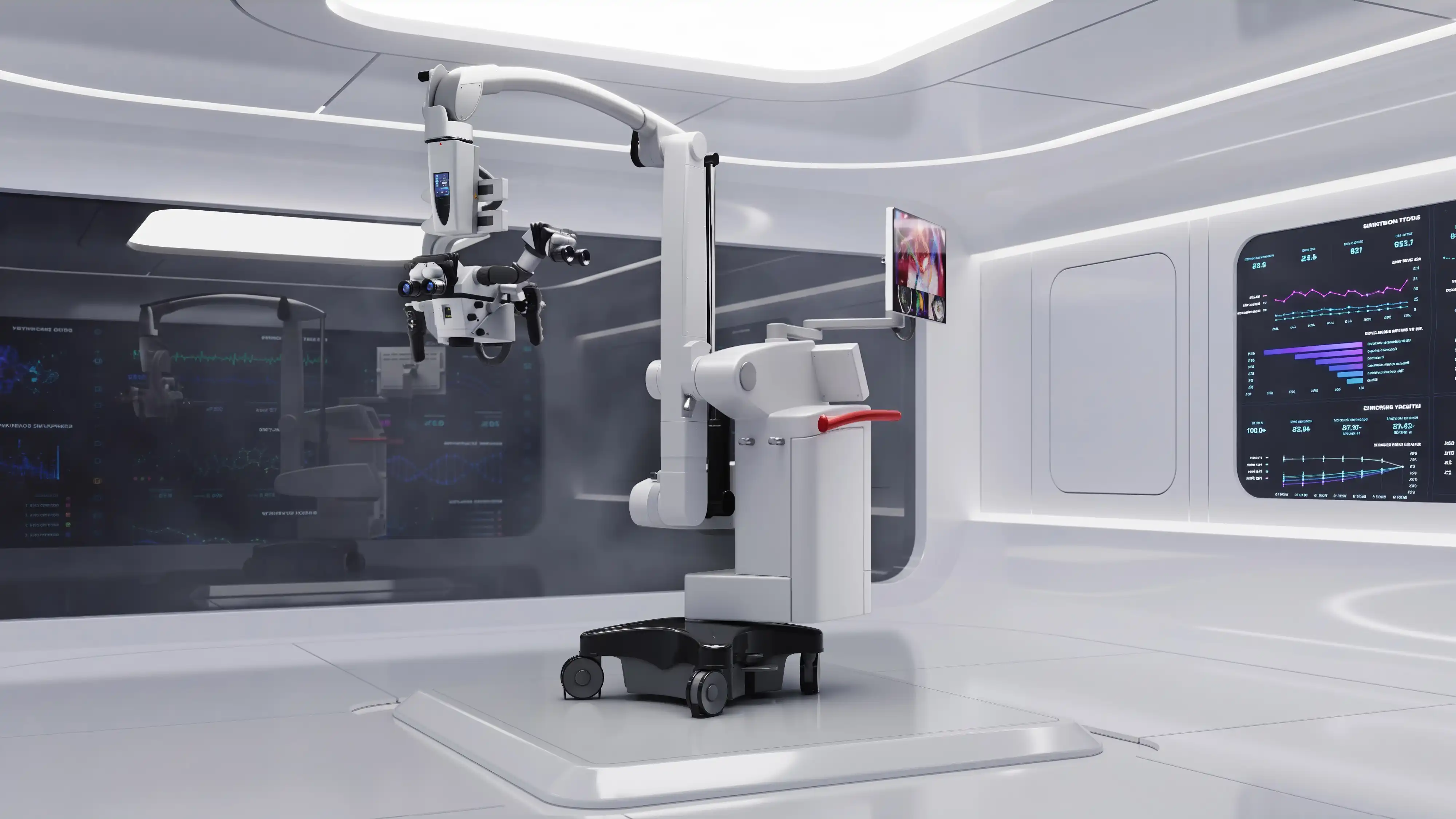
3D medical device rendering presents diagnostic systems, analyzers, and imaging units with accurate housing, displays, and control panels. PIXREADY builds each model from CAD data. As a result, brochures, websites, investor decks, and other materials can show the product before units are manufactured.
Surgical Instruments and Tools
Forceps, retractors, and powered tools require fine detail, so surgical instrument rendering shows shape, finish, and joints precisely. Close-ups and cutaway views explain how each instrument is built, supporting training materials, catalogs, and distributor presentations.
Patient Monitoring Systems
Screens, sensors, cable connections, and mounting options need to be readable at a glance. This is where patient monitoring device rendering helps. Product demos and exploded views let sales teams explain how the monitor works and how its parts connect.
Laboratory and Testing Equipment
Medical equipment rendering gives laboratory analyzers, centrifuges, and testing systems a clear, professional presentation. PIXREADY shows panels, openings, and moving parts accurately. This lets buyers compare configurators and understand the product without a physical demonstration.
Hospital Beds and Patient Care Equipment
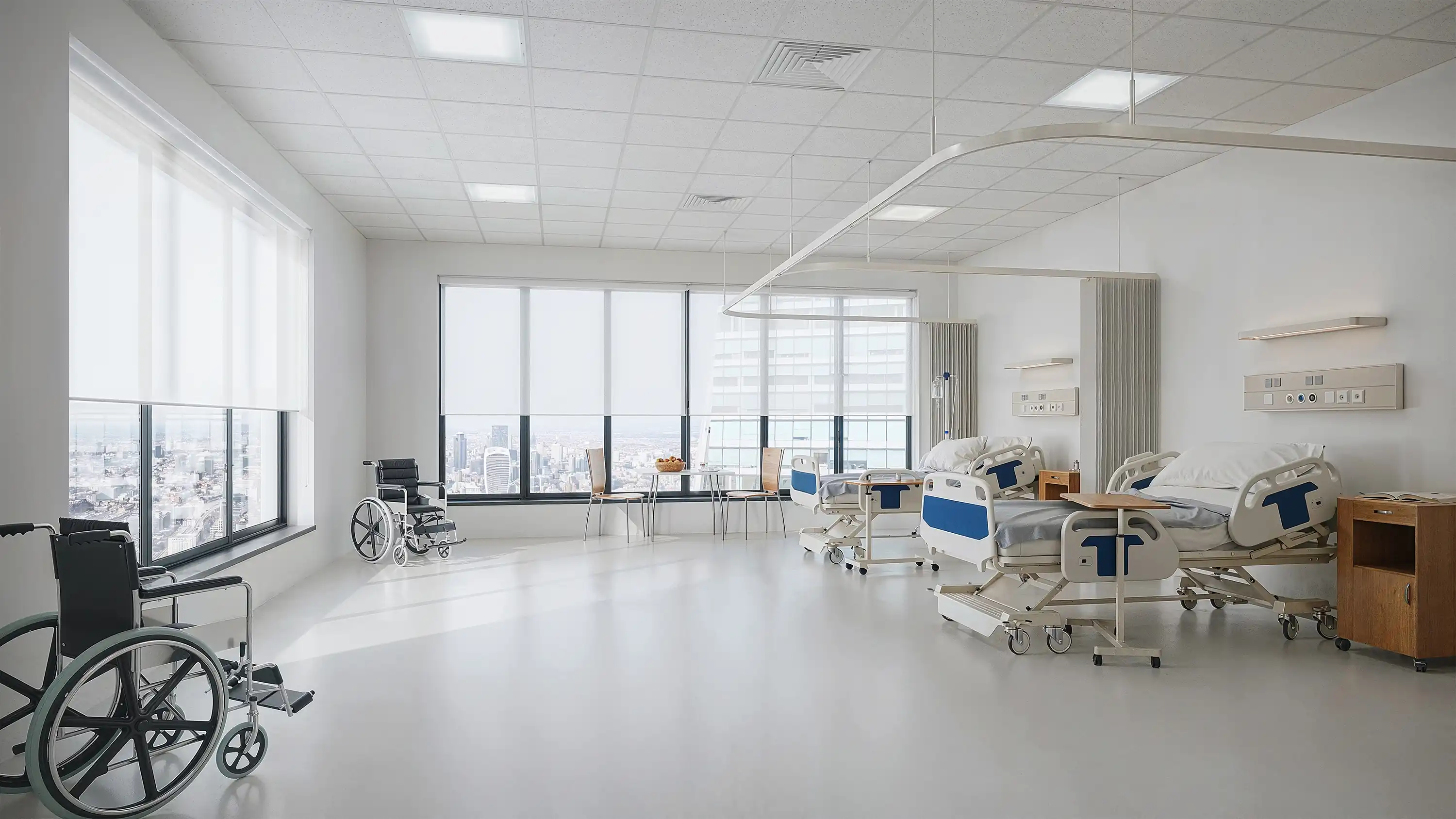
Medical equipment CGI helps manufacturers present hospital beds, patient lifts, and care furniture in realistic ward and room settings. Large equipment can be shown in several configurations without shipping units to a photo studio or trade show.
Dental Equipment and Devices
Chairs, handpieces, scanners, and treatment units need accurate materials and fine details, which is what dental equipment rendering delivers. Studio renders and lifestyle scenes in clinic settings help producers show products to dentists and distributors.
Wearable Medical Devices
Wearable medical device rendering shows monitors, patches, and smart sensors at true scale, on the body, and in everyday use. Close-ups of sensors, straps, and displays make small components readable for patients, clinicians, and investors.
Medical Components and Electronic Assemblies
Circuit boards, sensors, connectors, and housings need precise detail, so medical electronics rendering shows each component clearly. Exploded views reveal how parts fit together, helping engineering and sales teams explain internal assemblies without photographing prototypes.
Our 3D Medical Visualization Solutions
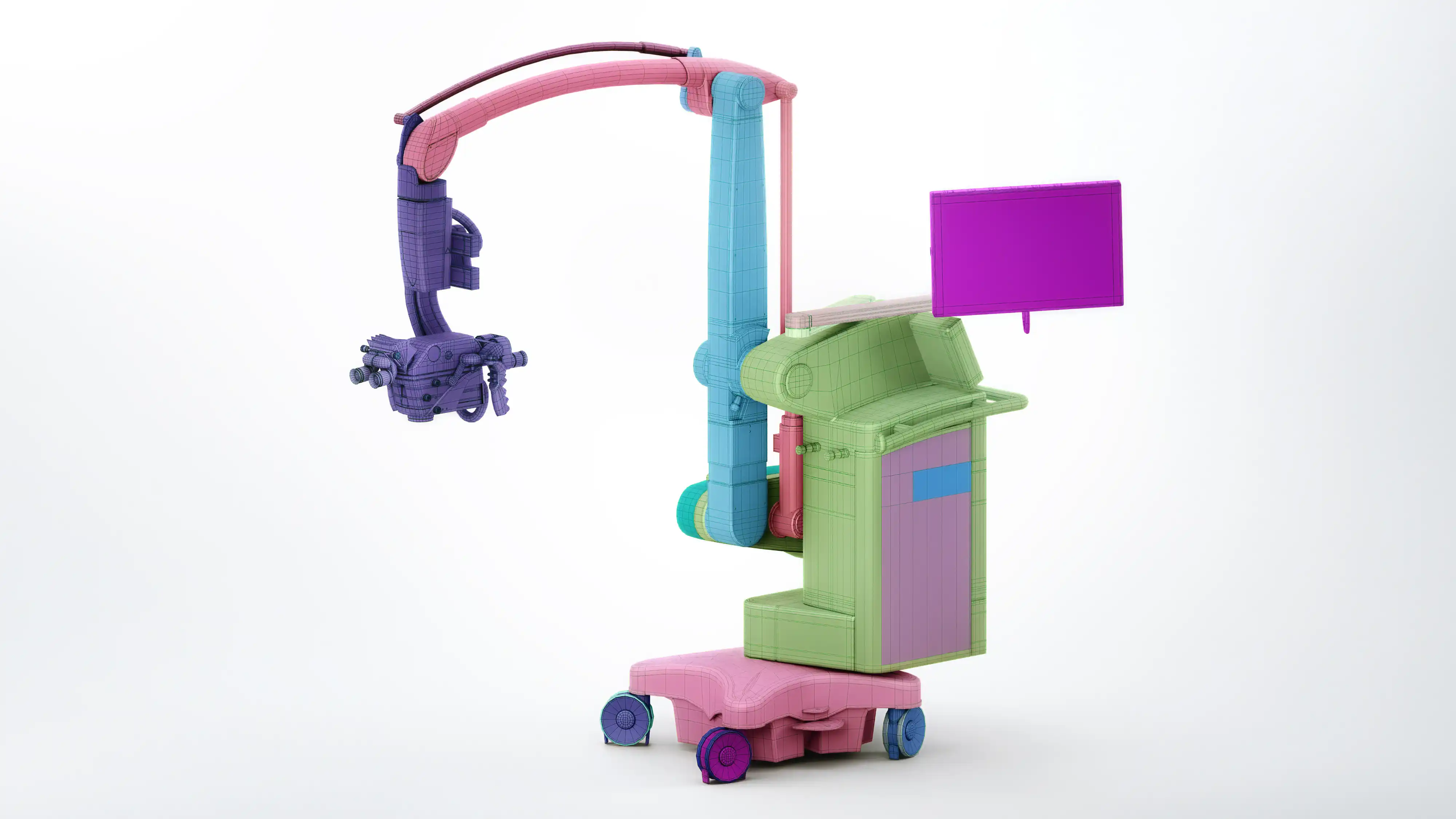
Medical Equipment 3D Modeling
These 3D medical visualization services begin with an accurate model. PIXREADY builds equipment models from CAD files, engineering drawings, or reference photos. It captures proportions, materials, and construction details. The result is a reusable 3D asset, optimized for the web, that serves as the single source for renders, 3D product animations, and configurators for future campaigns.
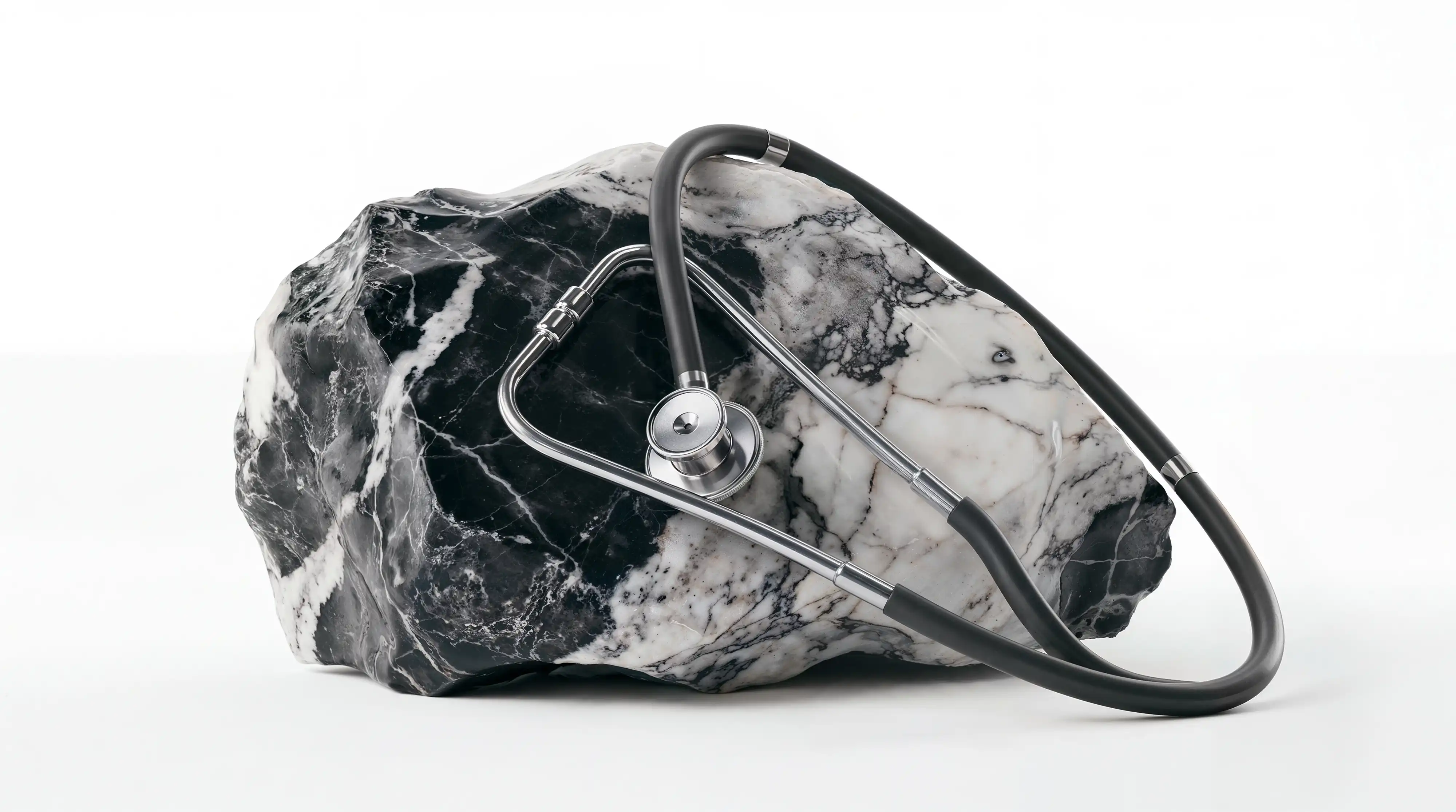
Medical Product CGI
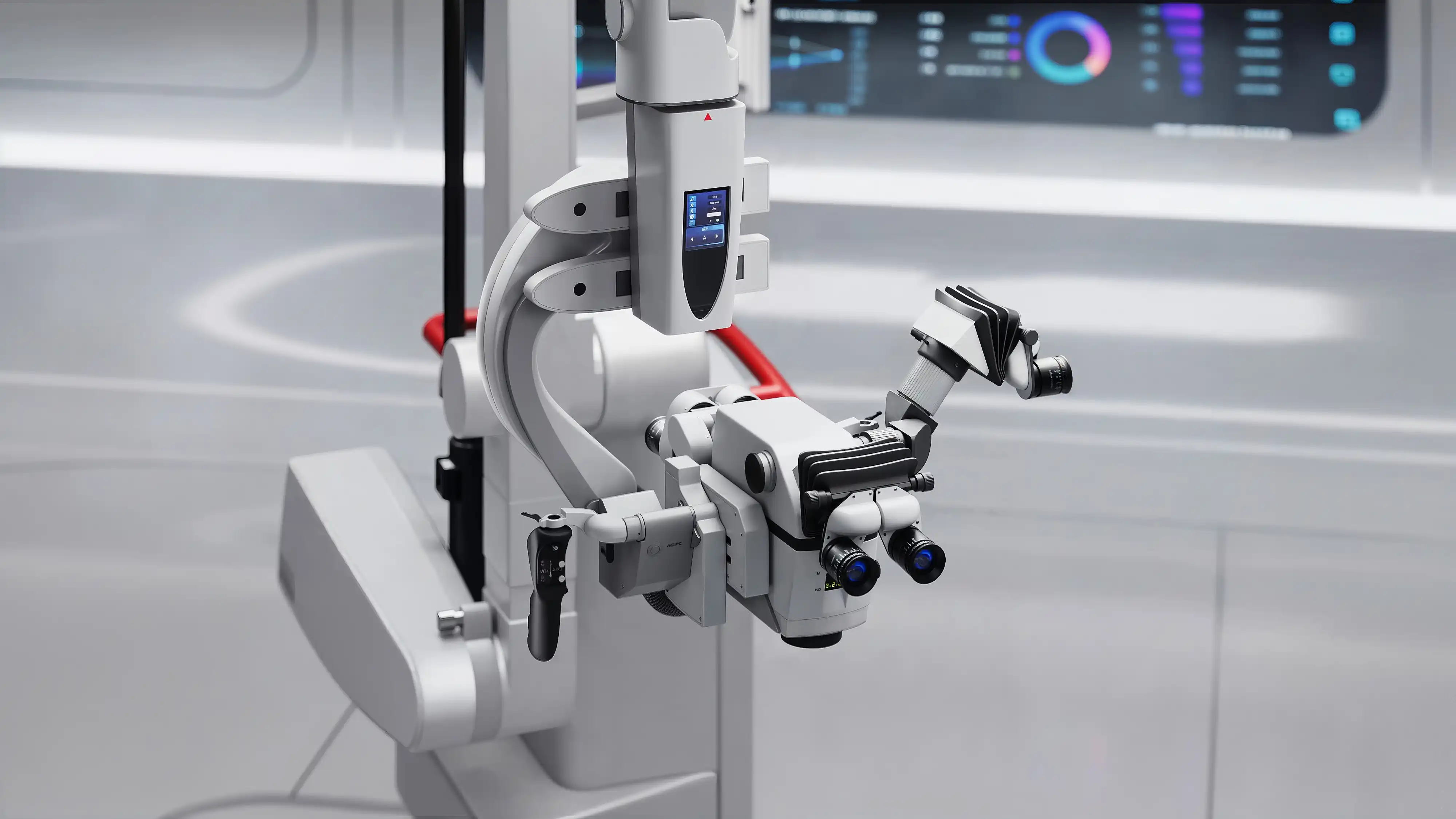
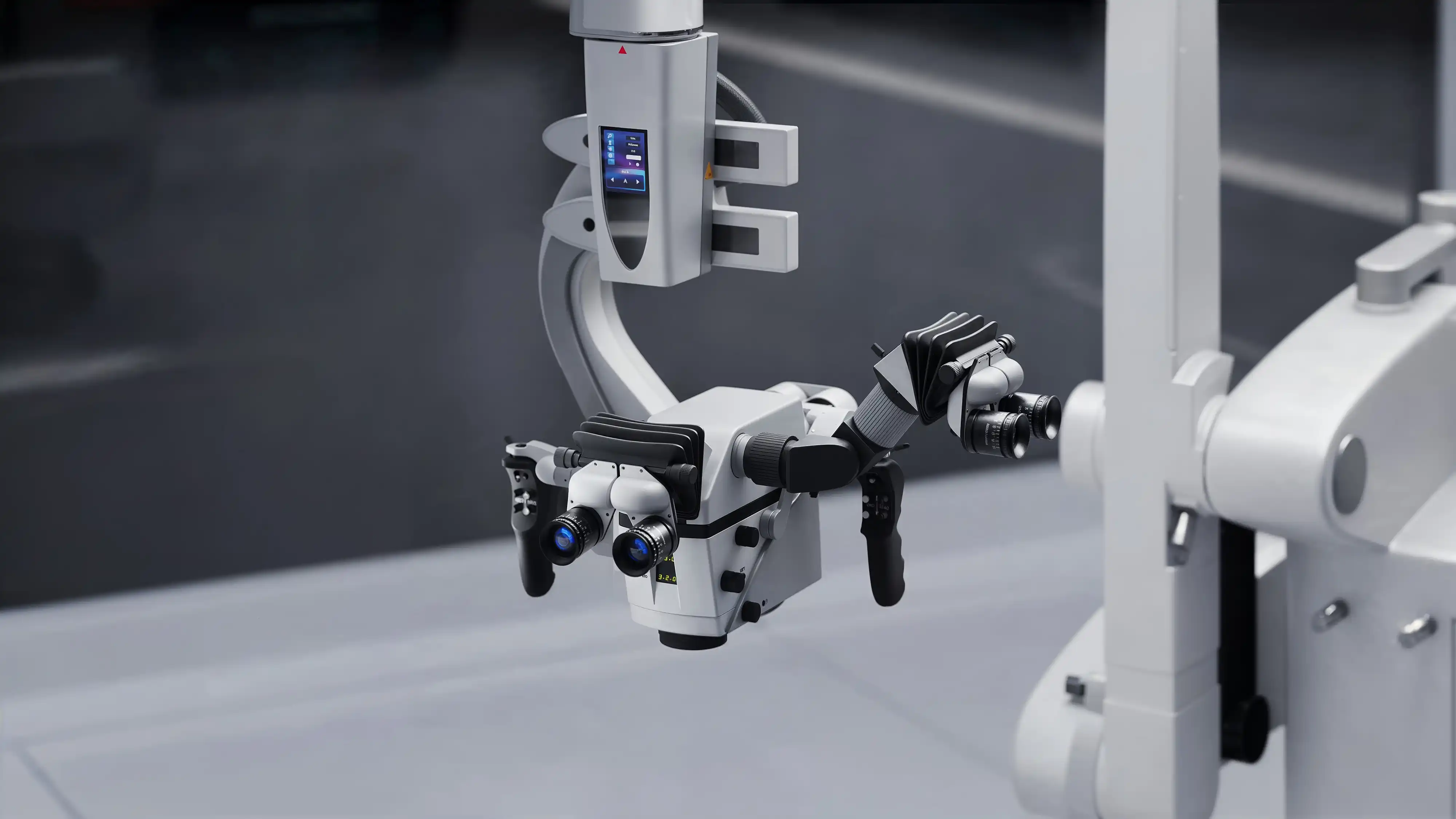
Medical product rendering replaces complex device and equipment photography with controlled, repeatable images. PIXREADY produces white-background renders for catalogs, close-ups of controls and surfaces, and lifestyle scenes in clinical settings. Every image comes from the same 3D model, so a full product range stays visually consistent, and updates need no new shoot.
Medical Device Animation
Animation explains what a still image can’t. PIXREADY creates product demos that show how a device operates, how parts move, and how users interact with it. This kind of 3D medical rendering supports sales presentations, distributor training, and online product pages, helping customers understand complex equipment in seconds, without a physical demonstration.
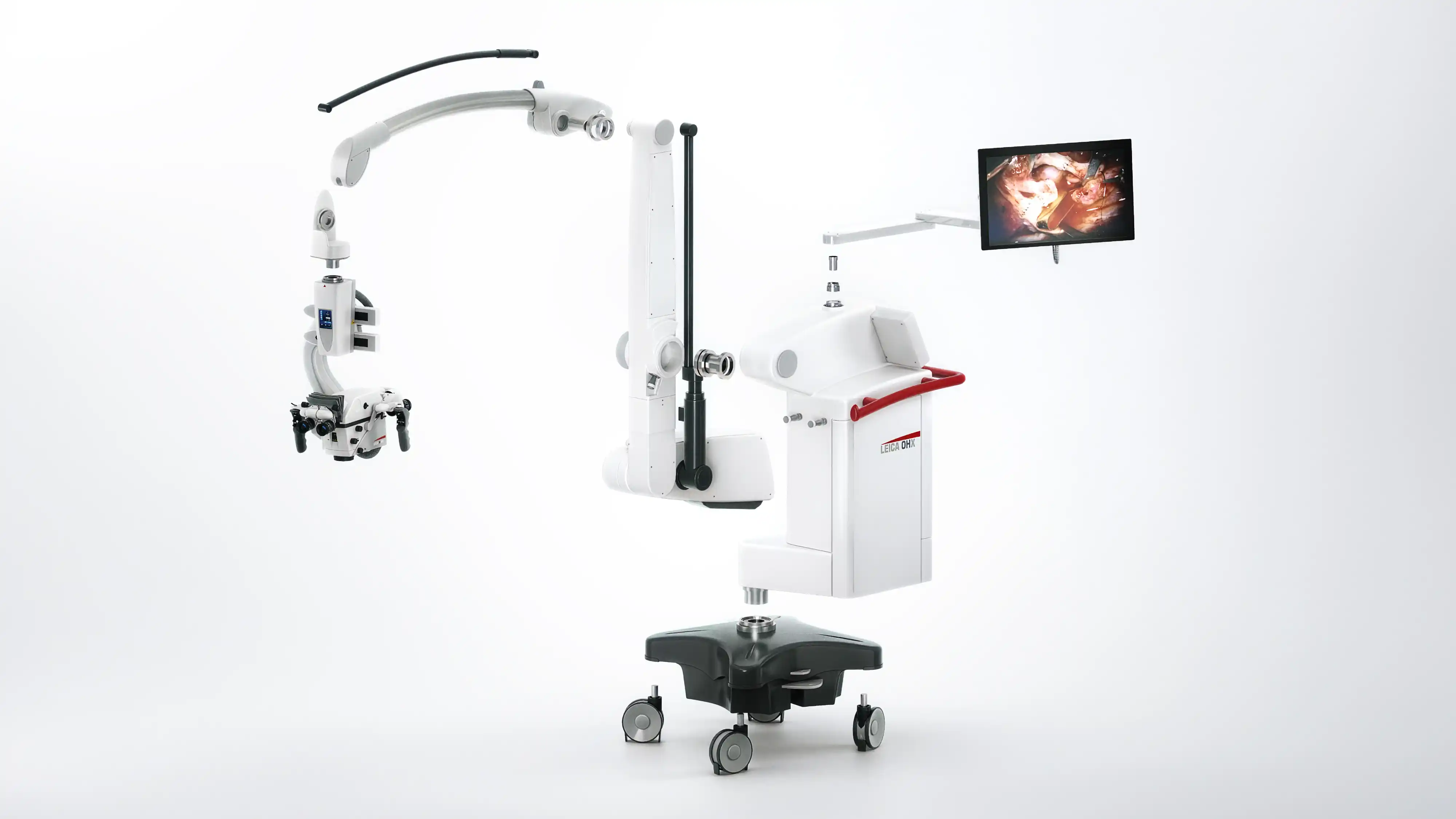
Medical Product Exploded Views
Exploded views separate a product into its components, showing how housing, boards, sensors, and mechanisms fit together. PIXREADY builds each medical render from the engineering model. Thus, every part is positioned accurately. These views help engineering and sales teams explain internal assemblies in manuals, training materials, and presentations without having to photograph opened prototypes.
360 Medical Product Rendering
360° spins let viewers rotate a product and inspect every side, from control panel to base and cable ports. Medical 3D rendering in this format works well on product pages, trade show screens, and sales tablets. Because spins come from the same 3D model as stills, they match catalog images exactly and can include each configuration or finish.

Medical Facilities Interior CGI
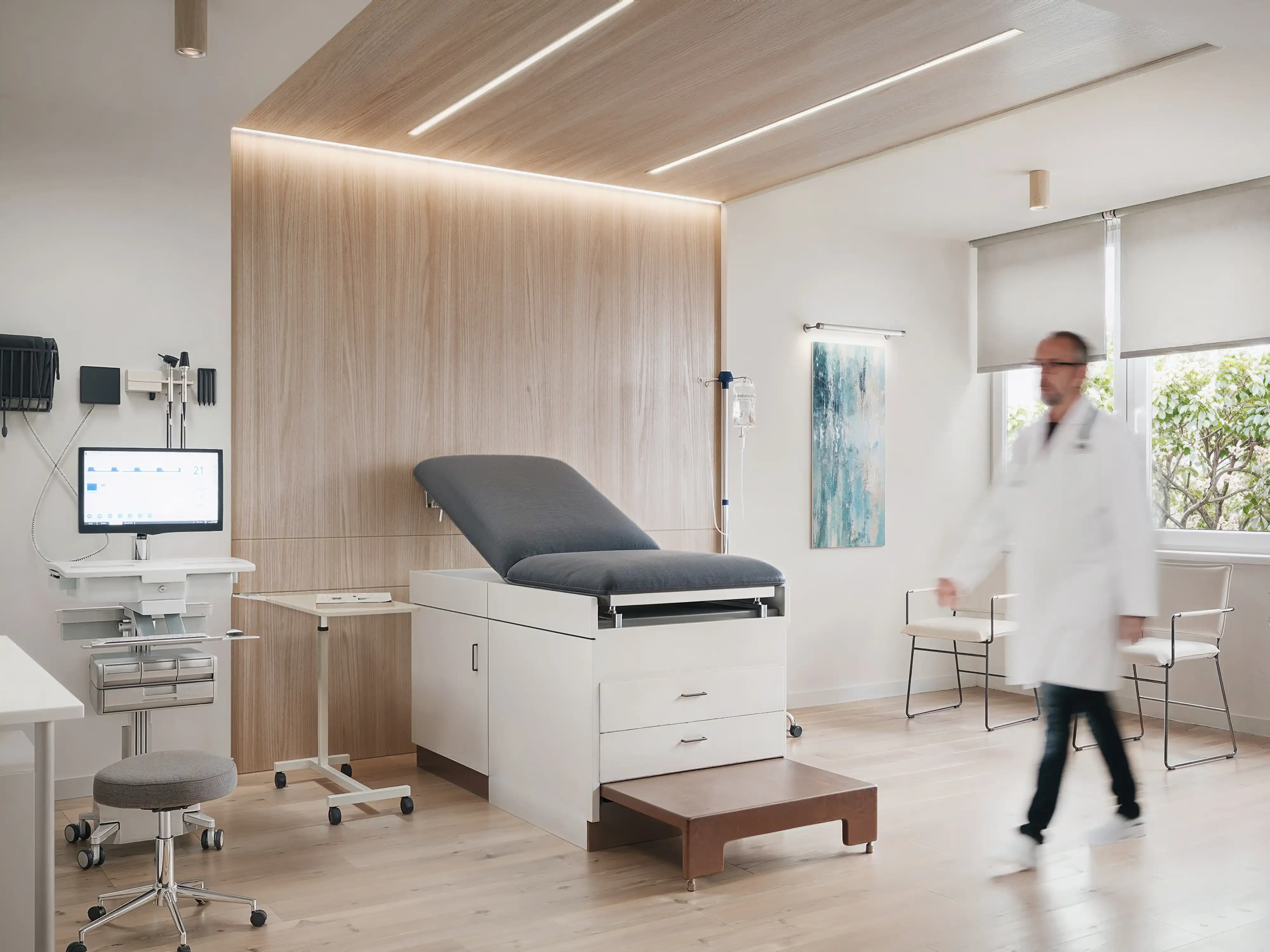
Visualize hospitals, clinics, and laboratories before construction or renovation. PIXREADY creates interior and exterior renders of wards, treatment rooms, waiting areas, and lab spaces, showing layouts, materials, and lighting. These medical CGI services help architects, healthcare developers, and equipment suppliers present planned facilities to stakeholders, investors, and approval boards.
Discover Our Medical Renders

Business Benefits of 3D Medical Rendering Services
Show Products Before Prototypes Exist
3D medical visualization services let manufacturers present a device before we build prototypes or ship units. Teams can start marketing, gather distributor feedback, and prepare launch materials from CAD data, shortening the path from engineering approval to market-ready assets. Our product modeling services capture proportions, materials, and construction details.
Lower Prototype and Photography Costs
Rendering replaces physical samples, repeated photo shoots, and equipment shipping. One 3D model produces every image. So, finishes, 3D configurations, and revisions need a new render rather than a new shoot. This reduces recurring production costs for manufacturers with large or changing product ranges.
Explain Complex Equipment Clearly
Cutaways, exploded views, and animations show internal parts and operation that photographs cannot capture. 3D medical rendering services help sales teams explain how a device works to buyers, clinicians, and distributors, shortening explanations and reducing questions during product evaluation.
Keep Product Visuals Consistent
Keep lighting, angles, and style uniform across a range so product families look like one brand. Distributors, regional offices, and sales teams receive the same approved images for catalogs, price lists, and trade shows, instead of mixed visuals from different photographers.
Scale Content with Product Lines
A reusable 3D model serves as the foundation for product variations, new angles, animations, and campaigns. As a product line grows, PIXREADY, a 3D medical visualization company, adds new visuals from existing assets instead of rebuilding content from scratch for every launch.
Support Confident Buying and Investment Decisions
Clear, accurate visuals help hospital buyers, distributors, and investors understand a product’s design, features, and capabilities before committing. With 3D medical imaging visualization, buyers can compare product options on screen, and manufacturers can present investor-ready materials earlier, supporting faster approvals, evaluations, and funding conversations.
Medical 3D Rendering Projects by PIXREADY


What Sets PIXREADY Apart in 3D Medical Visualization

Photorealistic CGI
PIXREADY’s medical 3D rendering services show product geometry, materials, and finishes in photorealistic detail. Brushed metals, matte plastic, glass screens, and rubber grips look as they do in real life, with accurate lighting and reflections. Buyers, clinicians, and distributors see a product they can trust, even before a first unit is manufactured. Reference photos and finish samples, when available, guide color and surface accuracy.

Technical-Reference-Based Modeling
PIXREADY builds each model from the materials the client already has: CAD files, engineering drawings, photos, and reference images. This 3D medical visualization workflow keeps proportions, opening labels, and control layouts faithful to the real device. Engineers review results against the source files. If a 3D model already exists, our team optimizes it instead of rebuilding it. This saves time and cost on every project.

Scalable Production
A single product or a full catalog follows the same process. With 50+ 3D professionals, PIXREADY scales production for large medical ranges, multiple variants, and launch schedules, and a dedicated project manager keeps feedback rounds organized. This medical 3D visualization workflow lets manufacturers add products over time without losing the style or quality of earlier visuals. Clear estimates with no hidden fees help plan budgets for each phase.

Multiple Visual Formats
One 3D model supports many formats: still images, animations, exploded views, and 360° spins. Stills serve catalogs and product pages, animations explain how a device works, exploded views show internal assemblies, and 360° views let buyers inspect every side. PIXREADY also works with UK clients, where 3D medical visualisation follows the same process. Teams can choose the formats that fit each launch stage.

Consistent Visual Output
Lighting, camera angles, and style remain consistent across product variants and channels, so the range looks like one brand across websites, brochures, trade show screens, and distributor decks. Because every visual comes from the same model, updates are fast: change a finish or revise a component, and every asset updates. PIXREADY’s 3D medical visualization services keep that consistency as product lines grow.
What Our Clients Say


“Their responsiveness was exceptional.”
We worked with PIXREADY to visualize our surgical robot in various operating room setups. The partnership has been fantastic! We were pleasantly surprised as the PIXREADY team moved swiftly, ensuring all deliverables were on point and on time. Communication and collaboration were stellar, thanks to the dedicated Project Manager. With minimal iterations, we achieved a remarkably professional result. I highly recommend PIXREADY for their exceptional service and expertise.

"Perfect quality"
Our goal was to create interior images with a modern, classy scene and to make sure our product was the focused item in the picture.

"The overall quality of service was very high!"
PIXREADY supported us with high quality visual renders that were used for product presentation and marketing materials. The renders helped clearly communicate the design, layout, and overall look of our equipment and added real value to our internal and external presentations.

"CGI That Delivered Exactly What We Needed"
PIXREADY provided an excellent service with a high level of detail and fast, precise implementation of feedback. Communication was clear and consistent, and the whole process felt effortless with no surprises. The visuals they created helped us clearly explain our new technology to customers — exactly what we aimed to achieve.

"The whole process was easy, enjoyable, and full of creative energy!"
They surprised us with fresh ideas, worked incredibly fast, and at the same time maintained a very high level of quality in every detail. What I value most is their professionalism combined with warmth and openness — we worked together as one team.

“Exceptional service!”
The PIXREADY team is very communicative and effectively expressed questions, resulting in high-quality finished renders.

“Their work has taken our marketing materials to a new level!”
They deliver top-quality visuals with a remarkable artistic touch, meeting all the deadlines.

“Impressive attention to detail and quality project management”
Once the brief was confirmed, they developed great visuals showing professionalism and meeting all deadlines. The team maintained effective communication, making the entire collaborative process smooth and efficient.

"This was a very good collaboration!"
We selected PIXREADY because of their strong reputation, and they definitely delivered on that. Communication was simple and efficient. Most of our coordination was done through email, which made everything convenient and streamlined for both sides. We only had one kickoff meeting, which was perfect, and from there, things moved smoothly. I provided one general direction for the project, and PIXREADY team executed it correctly.
FAQ
How does 3D medical rendering differ from medical product photography?
3D rendering replaces photoshoots with a digital model, so you don't need a physical unit, studio, or reshoot. One model can produce every finish, angle, and variant, and reveal internal parts that photos can't show. Many brands use it to replace or supplement photography, with 3D product rendering for catalogs and launches.
Can one 3D model support multiple medical product variants?
Yes. One reusable 3D model supports product variants such as colors, finishes, sizes, and configurations, so each variant is a new render, not a new shoot. This medical product rendering approach keeps a device family visually consistent and lets distributors and sales teams reuse the same assets across catalogs, websites, and animations.
Can 3D medical device rendering be completed before manufacturing?
Yes. PIXREADY builds models from CAD files and engineering drawings, so you can render a device before prototypes or production units exist. Teams use these visuals for launch pages, distributor feedback, and investor materials, shortening the path from design approval to market-ready content and reducing dependence on physical samples.
What types of medical products does a 3D medical visualization company render?
PIXREADY’s 3D medical visualization services cover diagnostic devices, surgical instruments, patient monitors, laboratory equipment, hospital beds, dental equipment, wearables, and electronic components, plus operating-room setups. Models come from CAD files, drawings, or reference photos, so each render keeps accurate geometry, materials, and finishes.
Can PIXREADY visualize internal medical device components?
Yes. Exploded views and cutaways separate a device into housings, boards, sensors, and mechanisms, showing how parts fit together and move. PIXREADY builds them from engineering models, so every component is positioned accurately for manuals, training materials, and sales presentations, without photographing opened prototypes.
Does PIXREADY create medical equipment animations?
Yes. PIXREADY creates product demos, exploded-view animations, and zoom-through video clips. For Medical Microinstruments, a surgical robotics company, 3D renders and animations of operating-room setups support training for new hospitals and robotic surgery teams. As a 3D medical visualization company, PIXREADY prepared the content for integration into the client’s surgical simulator. View the case.
How long does a medical product rendering project take?
Timelines depend on product complexity. Simple products can be modeled in 1–3 days, while detailed or configurable devices take longer, and PIXREADY confirms timelines upfront to match launch or campaign schedules. Existing 3D models or CAD files shorten the process, and a dedicated project manager keeps feedback rounds organized, so a medical render series stays on schedule.
Can PIXREADY create 3D medical device rendering from CAD files or technical drawings?
Yes. PIXREADY works from CAD files, technical drawings, sketches, photos, and reference images, capturing proportions, materials, and construction details. If a 3D model already exists, it is optimized to save time and cost. Quotes are clear and upfront, with no hidden costs.


Bring Your Medical Products to Market Faster with 3D Rendering
Show devices, instruments, and equipment accurately before the first unit is built. Send CAD files or drawings to PIXREADY and receive a clear, upfront quote with no hidden costs.