Door & Window Rendering: A Complete Guide for Manufacturers, Architects & Suppliers
Explore how door and window rendering helps manufacturers, architects, and suppliers launch products faster while creating scalable marketing and sales visuals.
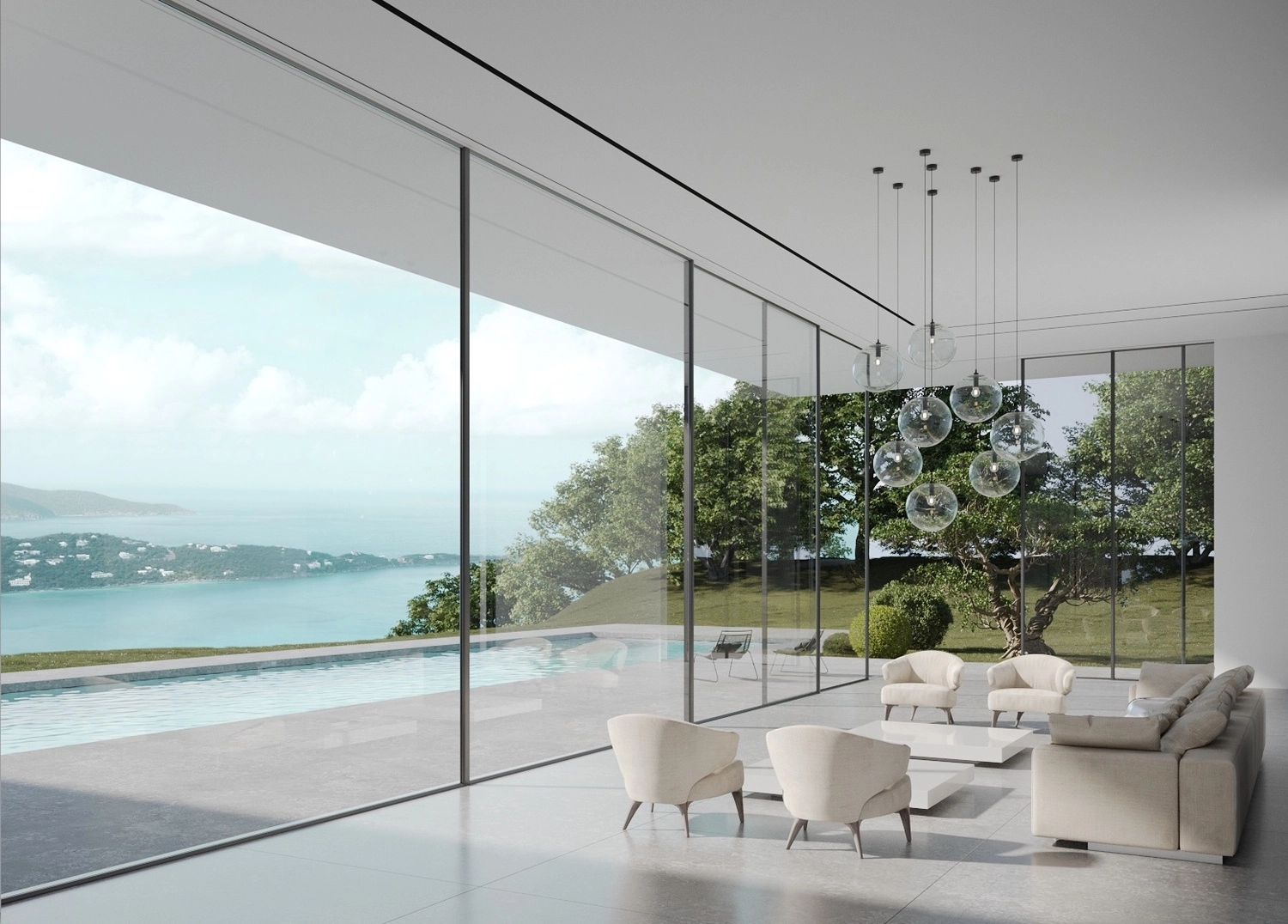
Launching a new door or window collection often means waiting for product photos while marketing deadlines keep moving closer. Door rendering lets manufacturers, architects, and suppliers present products before production is complete.
This guide explains how CGI speeds up product launches, reduces marketing costs, and creates flexible visual assets for sales, advertising, and architectural projects.
What Is Door & Window Rendering?
Door and window rendering is the process of creating photorealistic CGI images that present fenestration products before they are manufactured or installed. Instead of relying solely on traditional photography, companies use digital visualization to showcase architectural products with accurate materials, lighting, finishes, and proportions.
These visuals support many business applications. Manufacturers use them for product catalogs, online stores, configurators, and advertising campaigns. Architects and developers integrate rendered door and window systems into residential and commercial projects to evaluate appearance, functionality, and compatibility with surrounding architecture before construction begins.
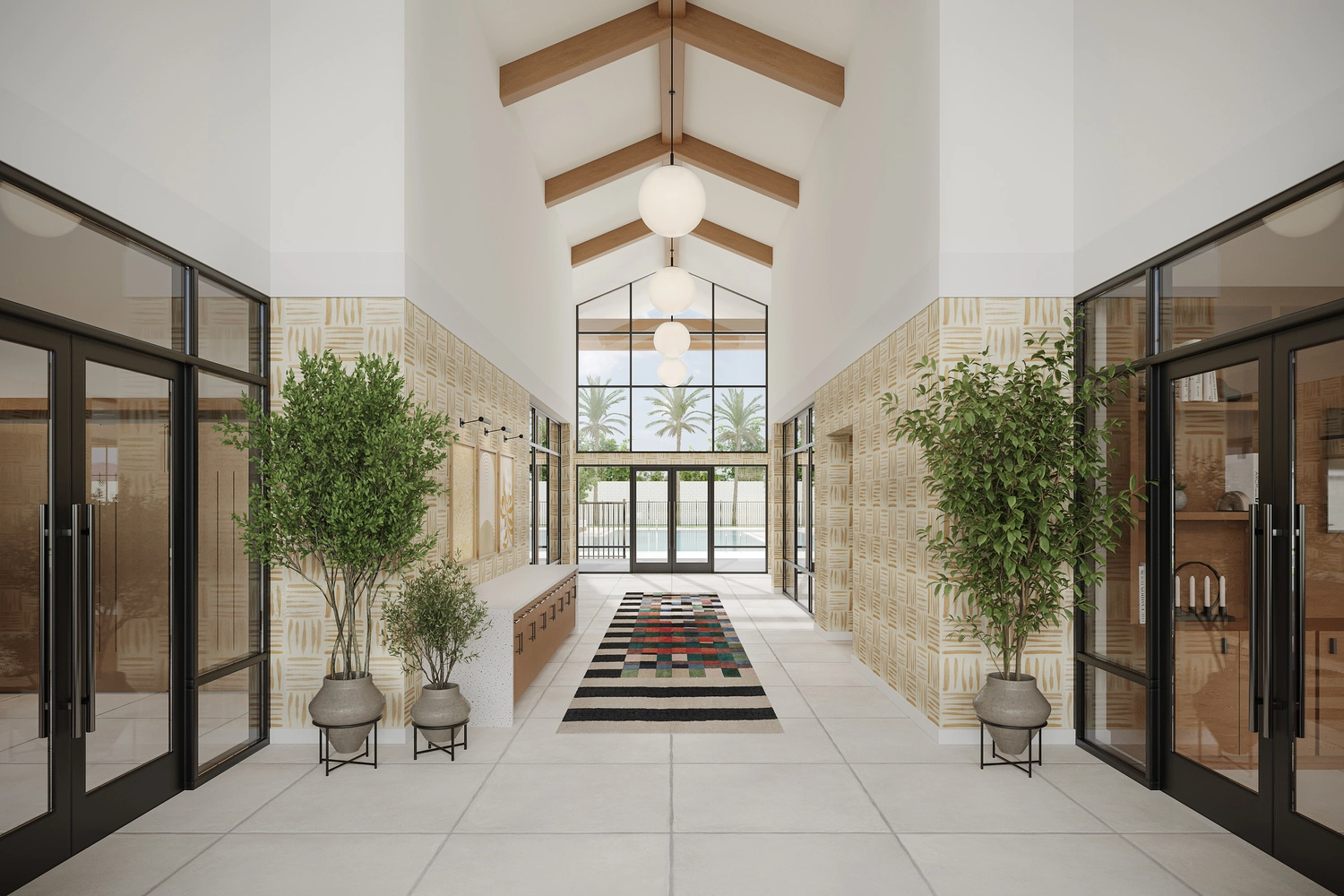
Unlike conventional photography, door and window render makes it easy to present multiple product variations without organizing additional photo shoots. Colors, glazing, hardware, frame profiles, dimensions, and finishes can all be updated digitally, making content production faster and more cost-effective.
Modern rendering workflows also improve scalability. Once a 3D model is created, it can generate images, animations, interactive presentations, and marketing materials for websites, brochures, marketplaces, and sales presentations while maintaining consistent quality.
Benefits of Window & Door Rendering for Businesses
For manufacturers, suppliers, and architectural product companies, creating marketing visuals is often one of the biggest challenges before a product launch. Teams need images for catalogs, websites, and sales presentations long before production is complete. This is where 3D rendering of a window helps businesses move faster while reducing marketing costs.
Faster Product Launches
CGI allows companies to promote new products before physical samples are available. Catalogs, advertising campaigns, and distributor presentations can be prepared during production, helping businesses reach the market sooner.
Unlimited Design Variations
One of the biggest advantages of door rendering is flexibility. A single 3D model can generate hundreds of combinations, including different colors, materials, glazing, handles, hardware, frames, and dimensions. Instead of organizing multiple photo shoots, manufacturers can build an entire CGI product catalog from a single digital asset.
Lower Marketing Costs
Unlike traditional photography, 3D rendering of a door eliminates the need to reshoot every product variation. Existing 3D models can be updated whenever a finish, size, or hardware option changes, making visual production faster and more predictable.
Consistent Brand Presentation
CGI ensures consistent lighting, camera angles, backgrounds, and image quality across brochures, websites, marketplaces, advertisements, and sales presentations. Every visual adheres to the same brand standards, regardless of when it was created.
Higher Customer Confidence
Photorealistic images help customers compare products more easily and make purchasing decisions with greater confidence, especially when selecting premium or customized solutions.
Reusable Marketing Assets
A single door render can be adapted for brochures, websites, social media, online marketplaces, presentations, and interactive configurators. This allows businesses to reuse existing assets across multiple campaigns while keeping production costs under control.
Types of Door & Window Renders
Different projects require different visualization styles. Choosing the right render helps manufacturers, architects, and suppliers communicate product features more effectively while supporting sales and marketing. A realistic window render can be adapted for catalogs, advertising, or architectural presentations without creating new visual assets.
Product Rendering
Product renderings featuring fenestration products on a clean white background make them ideal for eCommerce, catalogs, and specification sheets. They are a core part of professional window rendering services because they present products clearly and consistently.
Lifestyle Rendering
Lifestyle renderings place products inside realistic interiors, helping customers visualize how they fit into everyday spaces. They create an emotional connection that often influences purchasing decisions more than isolated product images.
Exterior Architectural Rendering
Exterior renderings integrate door and window systems into complete building façades. Architects, developers, and every experienced window rendering company use them to present projects before construction begins.
Interior Visualization
Interior renderings demonstrate daylight, materials, and the relationship between products and surrounding spaces. They help designers evaluate aesthetics while giving clients a realistic preview of the finished interior.

Exploded Views
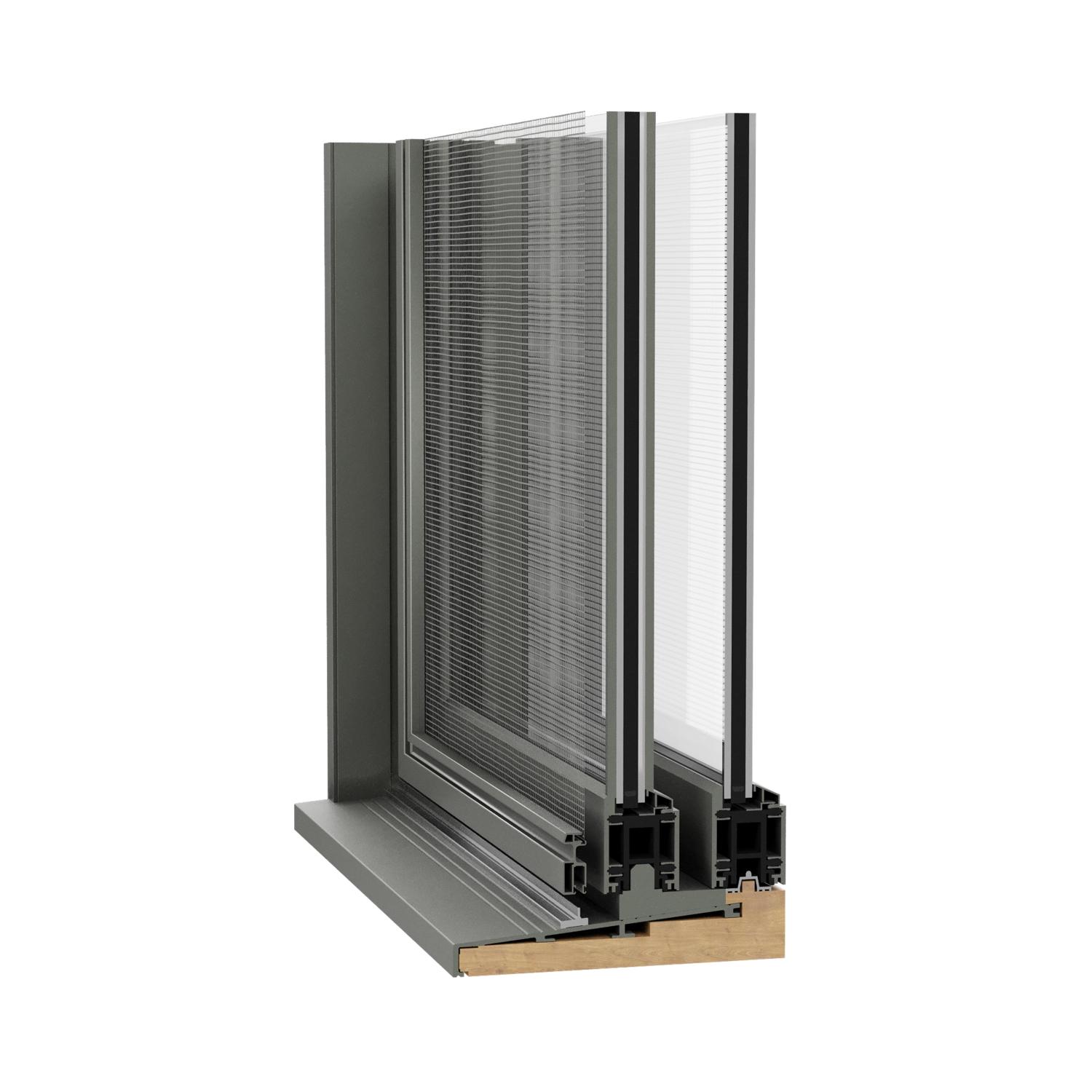
Exploded renderings separate product components to explain assembly and installation. They are widely used by manufacturers, installers, and technical teams for professional door rendering services and product documentation.
360° Product Views
Interactive 360° views allow customers to rotate products and inspect every detail, making them especially valuable for eCommerce and online product catalogs.
Product Animation
Animations demonstrate opening mechanisms, sliding systems, window operation, and hardware functionality. A reliable door rendering company can also create animations for trade shows, presentations, and digital marketing campaigns.
3D Configurator Assets
Rendering assets power online configurators and virtual showrooms, allowing customers to customize colors, materials, glazing, hardware, and dimensions in real time. Window 3D rendering services use the same 3D models to efficiently generate thousands of product variations.
Residential vs Commercial Door & Window Render
Although both residential and commercial projects use CGI, they are created for different audiences. Homeowners usually focus on design, comfort, and appearance, while architects, developers, and contractors need visuals that demonstrate performance and technical accuracy.
Professional door 3D rendering services help businesses tailor presentations to both markets without creating separate design workflows.
Residential marketing often relies on realistic window renderings that help buyers imagine living in the space. Commercial projects, however, require visuals that clearly communicate system performance, construction details, and product integration.
The same 3D model can support both markets. Lifestyle renders inspire homeowners, while technical window and door renderings provide architects and contractors with accurate project presentations. This approach maintains branding consistency, reduces production time, and enables companies to reuse visual assets across multiple channels.
For manufacturers working in both sectors, investing in professional CGI creates a flexible content library that supports sales, marketing, and product communication. High-quality door renders make it easier to present the same product to different audiences without recreating visual content for every campaign.
Common Door & Window Products That Can Be Rendered
Modern CGI is flexible enough to visualize virtually any type of door or window system, from standard residential products to highly customized architectural solutions. Because the rendering process starts with an accurate 3D model, manufacturers can present complete product families without producing every variation physically. This makes it easier to expand catalogs, support distributors, and launch new collections with consistent visual quality.
Doors
Door rendering is widely used for both residential and commercial products, including:
- Entry doors
- Interior doors
- French doors
- Sliding doors
- Folding doors
- Pivot doors
- Garage doors
- Fire-rated doors
Each product can be visualized with different materials, colors, glazing options, handles, hardware, and opening configurations, allowing customers to compare designs before placing an order.
Windows
Window rendering supports an equally broad range of products, such as:
- Casement windows
- Sliding windows
- Awning windows
- Bay windows
- Picture windows
- Skylights
- Aluminum window systems
- PVC windows
- Wooden windows
- Curtain wall systems
Whether the goal is a clean product image, a realistic residential scene, or a large commercial façade, the same 3D assets can support window 3D rendering for different marketing and sales materials. This gives manufacturers a scalable way to present every product line while maintaining visual consistency across all channels.
.webp)
Professional Window & Door Rendering Services vs Photography
Traditional photography remains useful for finished products, but it becomes expensive and time-consuming as product lines expand. Professional CGI gives manufacturers greater flexibility, allowing them to create marketing visuals before production is complete.
Launch Products Earlier — Marketing campaigns, catalogs, and sales presentations can begin before manufacturing starts, helping businesses shorten time to market.
Visualize Every Variation — One 3D model can generate different colors, materials, glazing options, hardware, and sizes without additional photoshoots. A single door render can also be updated whenever a product changes.
Create Any Environment — CGI places products inside realistic homes, offices, hotels, or commercial buildings without location scouting, studio rentals, or staging.
Scale Marketing Assets — The same 3D assets support brochures, websites, configurators, animations, social media, and advertising. Professional window rendering services make it easy to reuse visuals across multiple campaigns.
Reduce Long-Term Costs — Digital assets eliminate repeated expenses for shipping, installation, studio photography, and reshoots when product collections evolve.
Maintain Consistent Quality — Lighting, camera angles, materials, and branding remain consistent across every product image. An experienced window rendering company also ensures that new visuals match existing marketing materials, creating a unified brand presentation across all sales channels.
Why Choose Pixready as Your Door & Window Rendering Company
Choosing the right CGI partner means more than receiving realistic images. Businesses need reliable production, consistent quality, and visuals that support marketing long after a project is completed. This is where window rendering becomes part of a scalable content strategy rather than a one-time service.
PIXREADY creates photorealistic door rendering and product visualization for manufacturers, architects, real estate developers, furniture brands, and eCommerce companies. Fast production workflows allow clients to launch products sooner while maintaining consistent quality across catalogs, websites, configurators, social media, presentations, and advertising.
In addition to static renders, PIXREADY produces animations, 360° product views, and assets for online configurators. Every project is built from accurate 3D models, making window 3D visualization easy to update as product collections, finishes, hardware, or dimensions evolve.
Case Study: Dynamic Fenestration, Canada
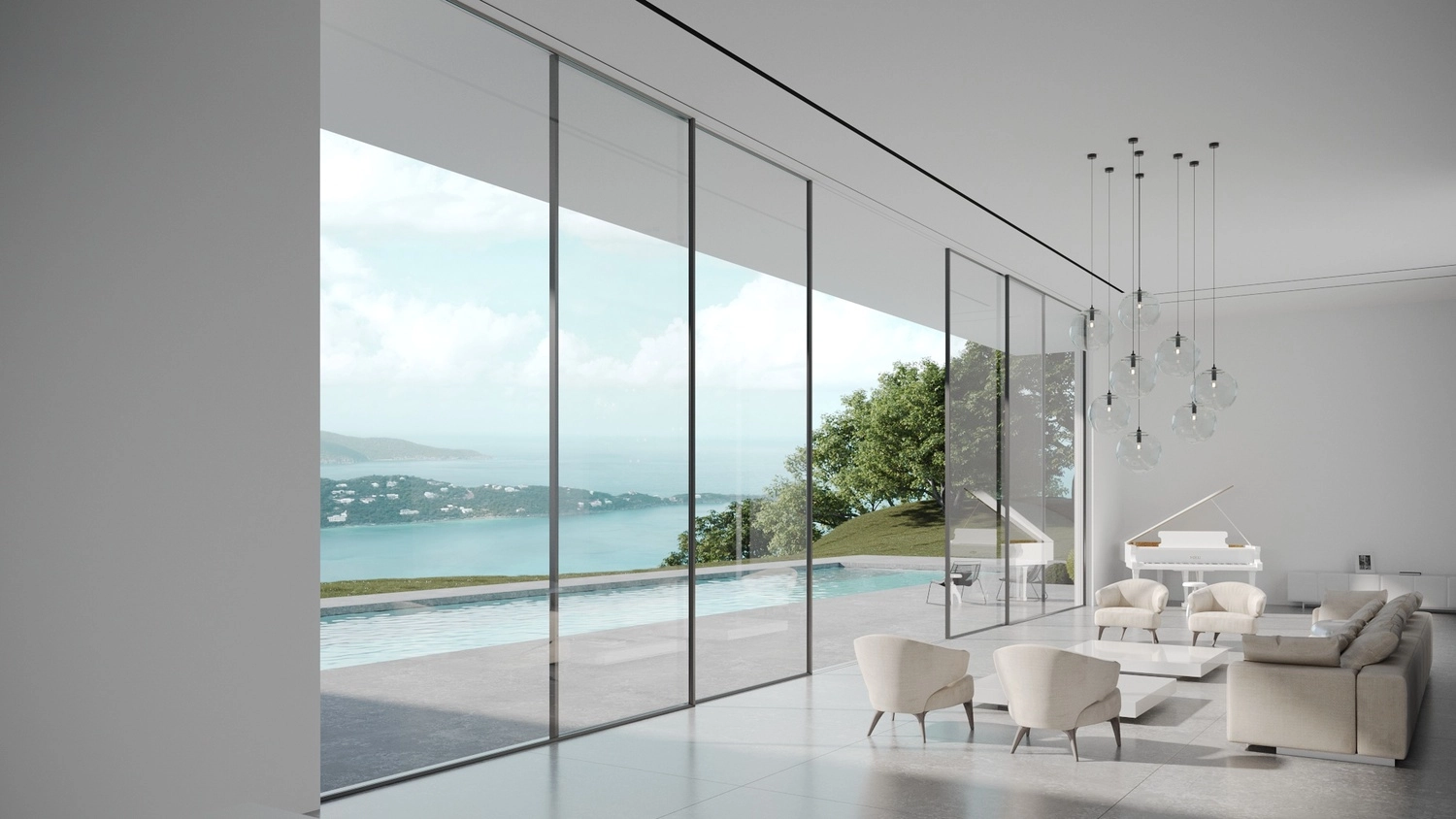
Dynamic Fenestration needed a more effective way to present its Vista frameless sliding glass doors to architects and developers. Static images could not fully demonstrate different opening configurations or the minimalist frameless design. PIXREADY created a photorealistic animation that combined product functionality with architectural visualization, making complex design features easier to understand.
The project showed how 3D rendering of a window can support premium product marketing by presenting glazing systems in realistic environments and from multiple viewing angles. The animation became an effective sales and presentation tool, helping the company communicate the versatility and aesthetic value of its customized sliding door solutions.
Case Study: Manhattan Condo Reconstruction, USA
PIXREADY partnered with a Manhattan architect to visualize three façade cladding options for a condominium reconstruction project before construction began. The challenge was to help the local building board compare each concept and make an informed decision. Using photorealistic CGI, the team recreated materials, lighting, and the surrounding urban environment to show how every design would fit the existing skyline.
The project also demonstrated how door rendering can complement architectural visualization by presenting building entrances as part of a cohesive exterior concept. The realistic visuals improved communication between stakeholders and supported the project’s approval process.
Conclusion
As product lines grow, businesses need visual content that is flexible, consistent, and easy to update. Window rendering helps manufacturers present products faster, showcase multiple design options, and support marketing across every sales channel while maintaining a consistent brand image across all platforms.
Combined with 3D rendering of a door, modern CGI creates reusable assets that improve customer communication and simplify product launches. If you’re planning your next product launch or architectural project, consider professional CGI to strengthen your marketing strategy.
Get 3d expert on your side
More than a 3D rendering vendor, PIXREADY acts as a strategic CGI partner helping brands
сreate scalable visual content for marketing, sales, and product launches. Let's explore your
project and discuss how CGI can support your business goals!

Sophia Andrusyshyna is a Business Development Team Lead at PIXREADY, a 3D visualization company. She helps clients transform their ideas into impactful 3D assets by guiding them through every stage of the collaboration. With strong expertise in understanding architectural and interior design needs, she ensures that each PIXREADY project runs smoothly and delivers measurable value. Her focus is on building lasting partnerships and helping clients make the most of cutting-edge visualization solutions.
FAQ
What is door rendering?
Door rendering is the process of creating photorealistic 3D images of doors for marketing, architecture, product catalogs, and sales presentations before or after manufacturing.
What is window rendering?
Window rendering uses CGI to create realistic digital images of windows in product catalogs, architectural projects, eCommerce listings, and interactive configurators.
How realistic are 3D door and window renderings?
Modern CGI can accurately reproduce materials, glass, reflections, lighting, textures, and proportions, making high-quality renderings almost indistinguishable from professional photography.
Can you create animations showing doors opening and windows operating?
Yes. Product animations can demonstrate opening mechanisms, sliding systems, folding configurations, hardware operation, and installation processes for marketing or technical presentations.
Can window and door renderings be updated when products change?
Yes. Existing 3D models can be modified to reflect new dimensions, colors, glazing options, hardware, or materials without creating an entirely new project.
Can door and window renderings support online product configurators?
Absolutely. The same 3D assets used for renderings can power interactive configurators, allowing customers to customize products in real time.
.webp)

-2.webp)