Exterior Rendering Cost in 2026: What Affects Pricing?
Explore 3D exterior rendering cost in 2026, current price ranges, the factors behind them, and practical ways to plan a CGI budget without sacrificing quality.
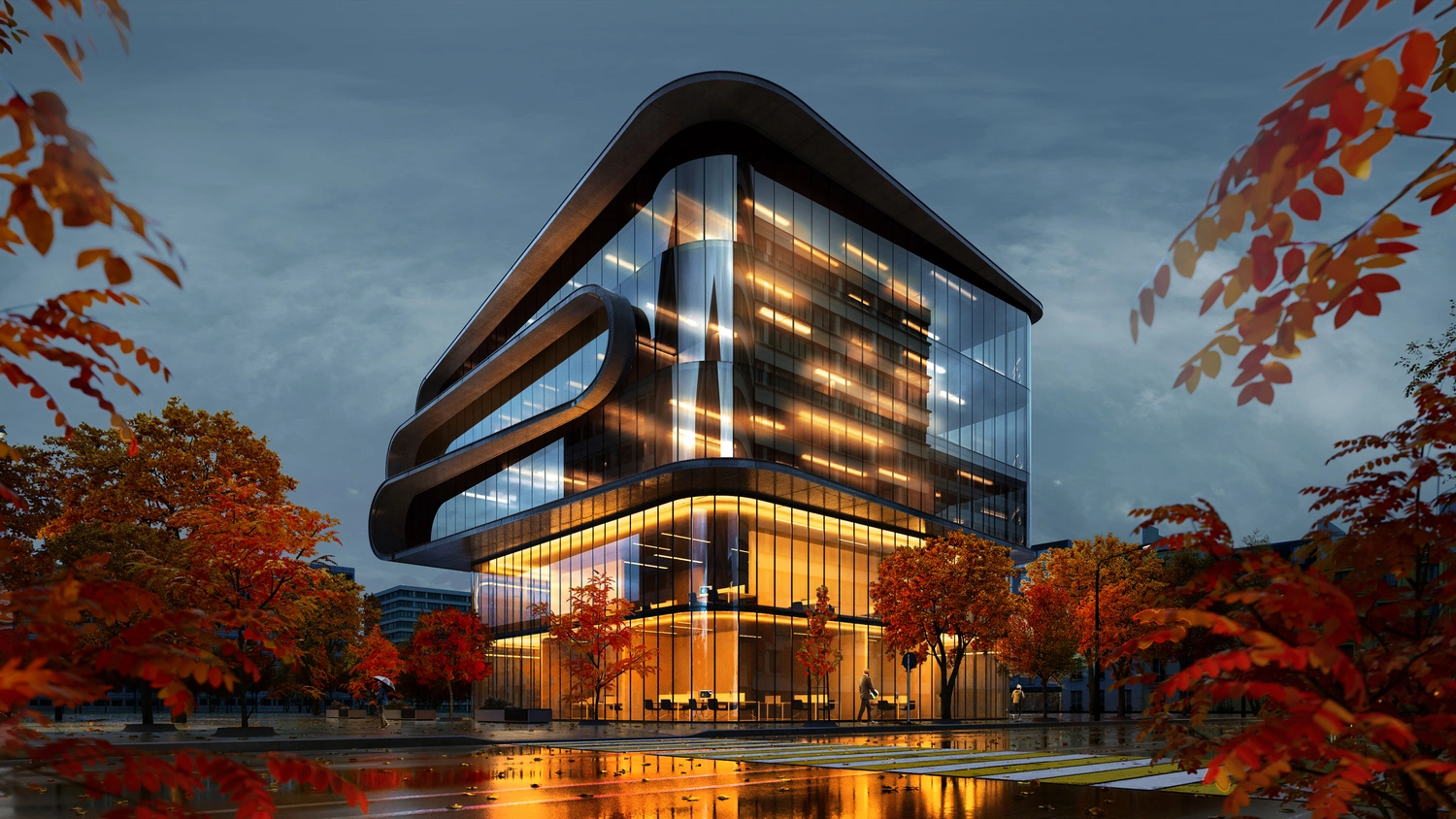
Explore 3D exterior rendering cost in 2026, current price ranges, the factors behind them, and practical ways to plan a CGI budget without sacrificing quality.
Planning a CGI budget is difficult when 3D exterior visualization cost can range from a few hundred dollars to several thousand per image. A house, commercial development, and aerial masterplan may all require very different production workloads.
This guide breaks down 2026 pricing, explains what drives the final quote, and shows architects, developers, and marketing teams where they can reduce costs without lowering visual quality.
The lowest quote is not always the best business decision. Exterior rendering costs should be compared with the requirements for the finished visuals.
For developers, CGI can support pre-sales before construction is complete. Marketing teams can reuse the same scene for websites, brochures, investor decks, social media, and advertising. Architectural visualization can present materials, landscaping, and design intent before expensive decisions reach the construction stage.
Professional 3D exterior CGI can also reduce misunderstandings. A stakeholder who struggles to read plans can understand a realistic image in seconds.
This matters in larger developments, where one unclear facade choice or landscaping decision may cost far more to correct on-site than during CGI production. In that context, the 3D exterior rendering cost is not simply a marketing expense. It can support sales, approvals, communication, and design decisions from the same reusable digital asset.
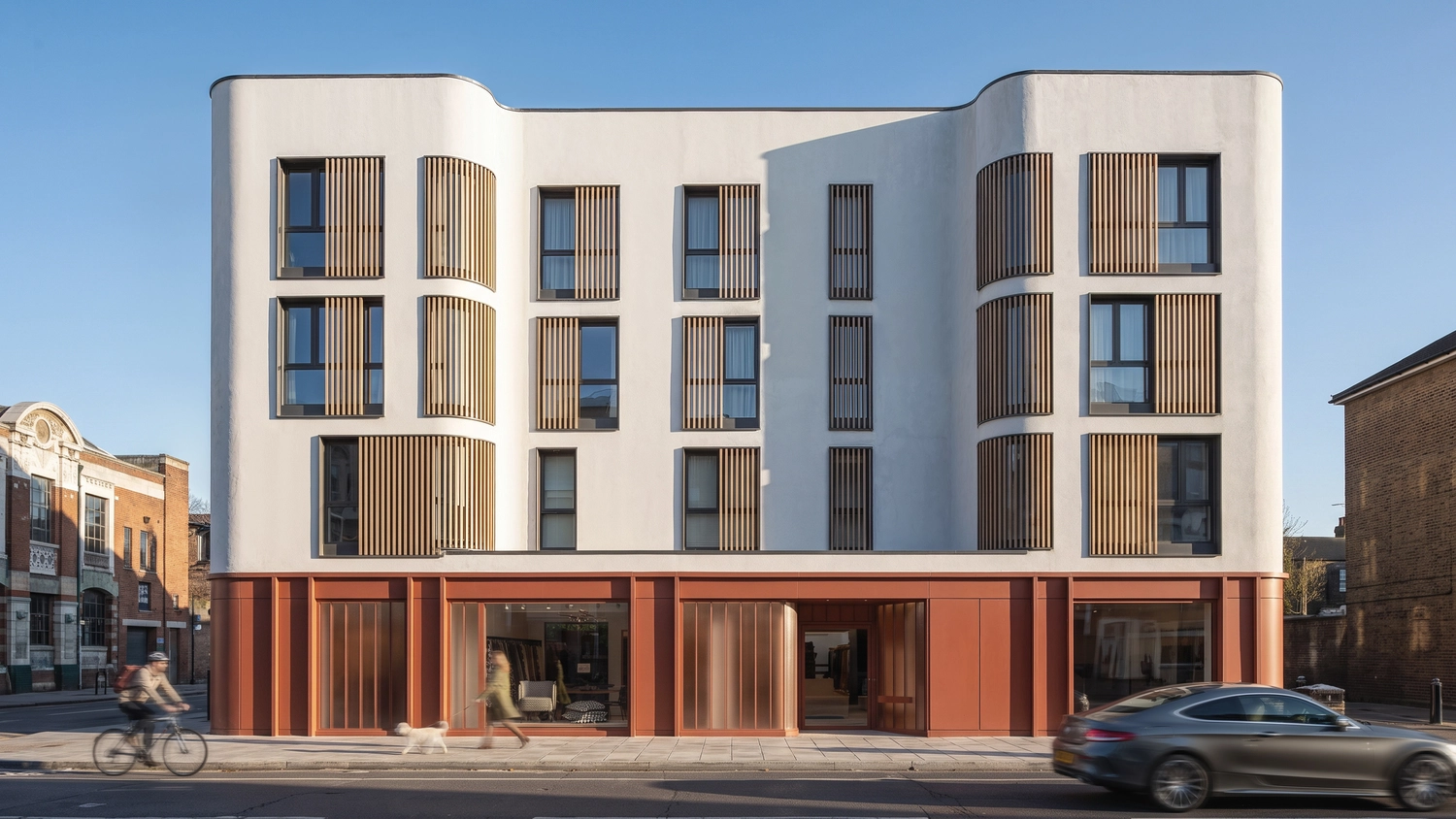
So, how much does exterior rendering cost in 2026? There is no single market rate. Current pricing depends on the type of image, complexity, realism, production model, and studio expertise.
Across the CGI market in 2026, exterior images typically range from $300–$1,000 for entry-level work, $1,000–$2,500 for standard studio production, and $2,500–$5,000+ for high-end work. PIXREADY's own exterior rendering pricing falls at $700–$1,500 per image, reflecting an efficient production model that delivers high quality at reasonable price.
Aerial images and animation can cost substantially more because they require larger environments and more production time. For comparison, see PIXREADY’s guide to interior rendering cost.
Best use cases: Property marketing, pre-sales, planning approvals, investor presentations, and architectural design reviews.
Typical cost: $800–$5,000+ per image for residential, commercial, real estate, and architectural visualizations.
Aerial cost: $1,000–$10,000+ per image, depending on site scale and environmental detail.
Animation cost: $2,000–$30,000+ for a 30–60 second exterior animation.
Pricing factors: Project complexity, realism, landscaping, number of views, resolution, and available 3D or CAD files.
These are planning ranges, not fixed exterior rendering fees. A simple residential facade with supplied CAD files may sit near the lower end. A hero image for a major commercial development can require detailed landscaping, custom assets, complex glazing, traffic, people, and advanced lighting.
For property marketing, real estate CGI may also include several coordinated views rather than one isolated image. An aerial 3D rendering and animation usually cost more because a much larger part of the site must be modeled and populated. For comparison, PIXREADY's exterior flythroughs/animations run $2,000–$8,000 depending on length and complexity — generally landing toward the efficient end of the market range above.
The current exterior rendering price, therefore, reflects production scope as much as image count.
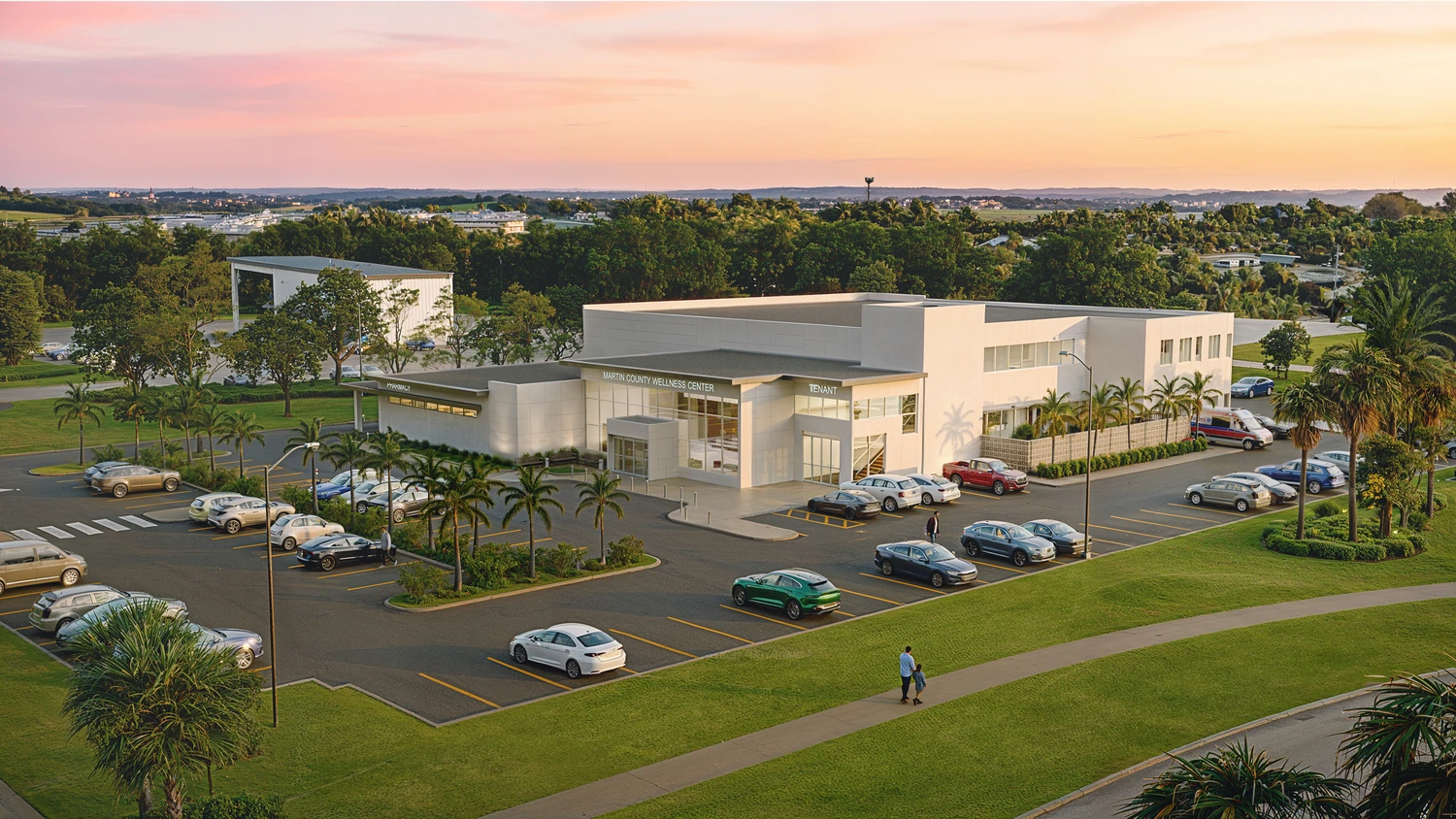
Complexity can move two images of similar buildings into very different price brackets.
The cost of 3D exterior rendering rises when artists must create custom facade systems, unusual geometry, detailed vegetation, roads, neighboring buildings, vehicles, or people. Photorealism also takes time: stone, glass, metal, water, and landscaping must respond convincingly to light.
A larger order costs more overall, but the average cost for exterior rendering can fall as image volume grows.
The reason is simple. Once the building, materials, landscape, and lighting are in place, they can often support additional cameras without having to start over.
A five-view project does not necessarily require five times the work of a one-view project. This is why clients should request a package quote when several images are already planned.
Location affects 3D exterior visualization prices industry-wide, mainly because labor and operating costs differ by region.
Local-market knowledge may still matter. Teams working on projects in Los Angeles, London, or Toronto may need visuals adapted to different planning, presentation, and real estate expectations.
An international studio can combine that market awareness with a lower production base. This is why the region alone should not determine the supplier.
Several production decisions determine the final 3D exterior visualization cost.
Simple rectangular architecture takes less time to model than curved facades, custom structures, detailed balconies, decorative elements, or unusual roof systems. Every component that must be built or corrected adds production hours.
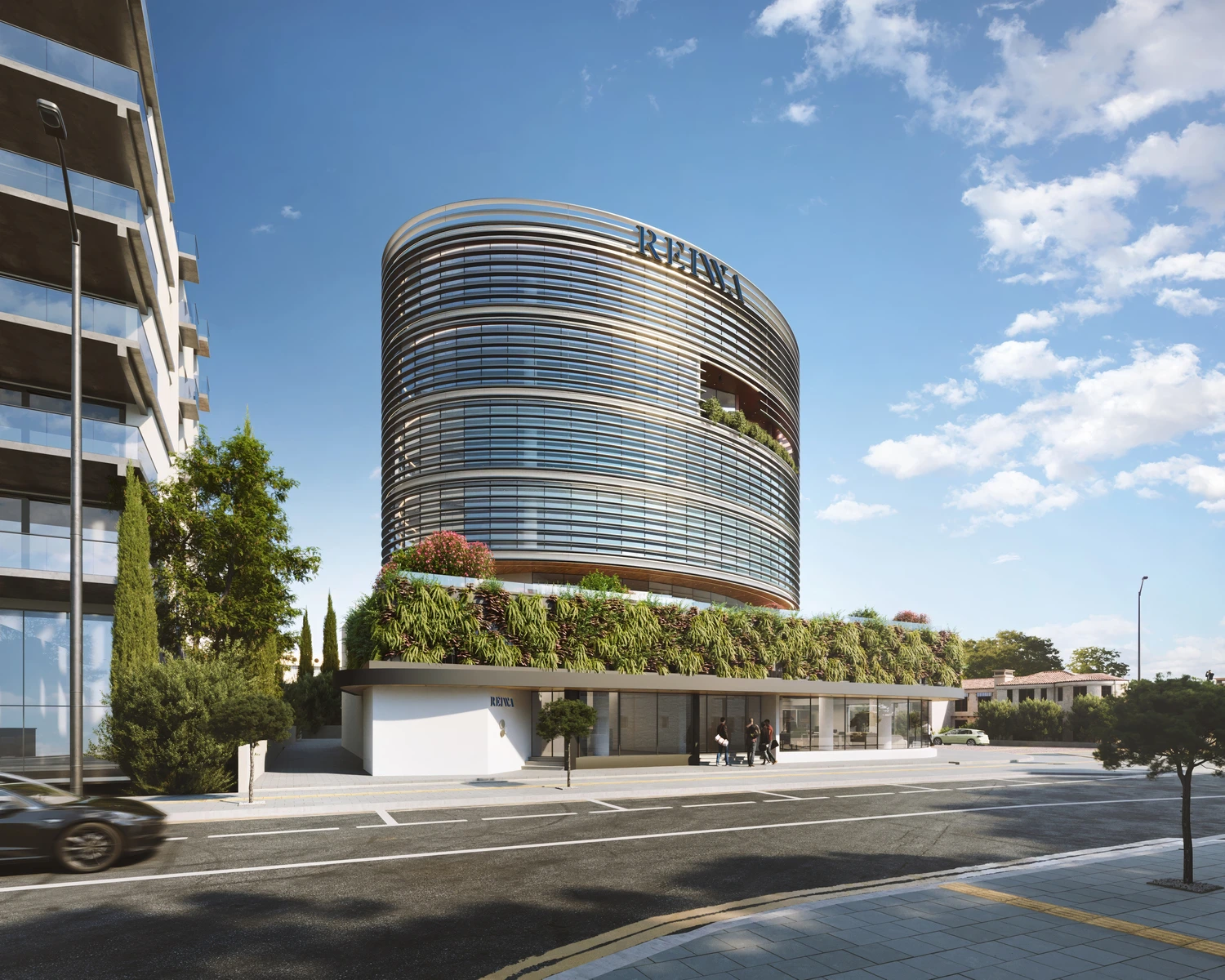
A basic concept image and a campaign-ready photorealistic image require different workloads. Accurate materials, reflections, textures, shadows, and natural lighting increase the cost for exterior rendering, but they also make the result more credible.
The building may be only part of the scene. Terrain, neighboring architecture, roads, trees, plants, people, cars, street furniture, and distant context all take time to create and arrange.
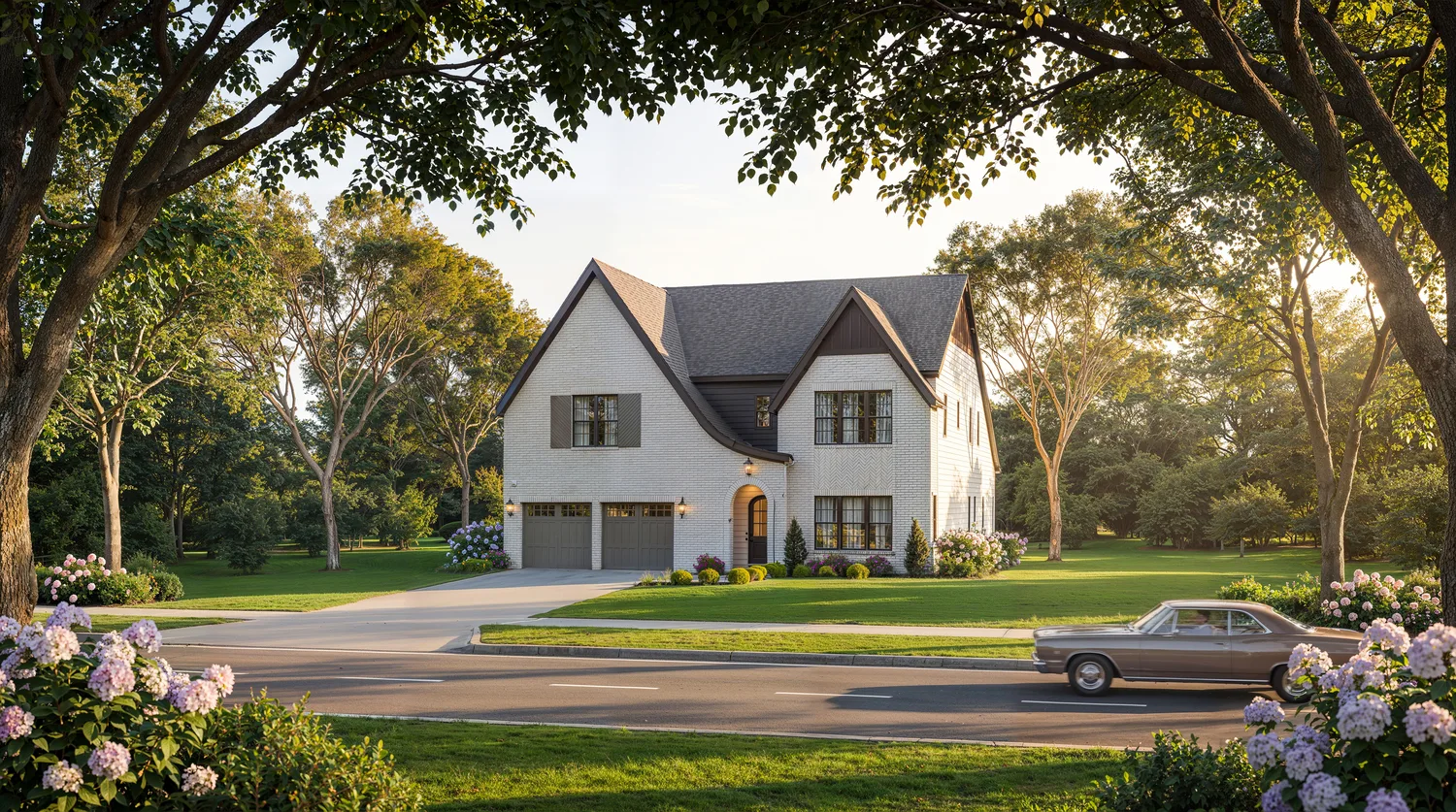
Additional cameras are usually more efficient once the base scene exists. However, every view still needs composition, lighting checks, rendering, post-production, and quality control.
A clean BIM or 3D model can reduce production work. CAD drawings or incomplete files require more modeling and optimization, increasing the exterior rendering cost before artists can begin.
A web image has different production demands from a 4K image or a large-format print. Higher resolutions reveal small material and geometry problems that may not be visible at smaller sizes. For more details, see PIXREADY's guide to render resolution.
Rush delivery can increase exterior visualisation price because the studio may need to reassign artists or run production outside its normal schedule. Clear deadlines and planned revision rounds make budgeting more predictable.
Single-image pricing becomes less useful when a development needs many views, several properties, or a long-term marketing campaign. In these cases, exterior rendering cost should be considered across the whole project rather than calculated by multiplying one image price by the number of views.
Multiple views of one property offer strong opportunities for reuse. Once a building is modeled, the same geometry can support street-level shots, close facade views, aerial perspectives, or future marketing materials.
For multiple properties, savings depend on how much they share. A developer launching several homes in one community may reuse roads, landscaping, lighting, and architectural components. This is why exterior rendering costs for a coordinated package may differ from commissioning each property separately.
The same principle applies to real estate portfolios and large property catalogs. Standard camera rules, materials, and production processes help create coordinated visuals without rebuilding every scene from scratch.
.webp)
The main advantage of volume is asset reuse. Shared 3D geometry, reusable materials, vegetation libraries, consistent lighting, and an established production pipeline reduce repeated setup work. As a result, exterior renderings cost per final image can decrease when more related visuals are produced.
However, volume does not make every additional image inexpensive. A new camera may expose an area that was never modeled, while another property may require different architecture, landscaping, or materials.
So, how much does exterior rendering cost when dozens of visuals are required? There is no universal multiplier. Ask for project-level pricing rather than multiplying a single-image rate. PIXREADY's current CGI pricing guide provides a starting point, but the final quote should reflect the number of deliverables, shared assets, scene complexity, and opportunities for reuse.
The easiest way to control exterior rendering services prices is to remove avoidable production work, not visual quality.
PIXREADY combines photorealistic CGI with flexible production for single images and large property portfolios. Project-specific pricing means the 3D exterior visualization cost reflects actual scope and production requirements.
Key advantages include:
For teams comparing different production approaches, the guide to software vs. studio production explains where each option fits.
Case Study: Bionic Architecture
PIXREADY's Bionic Architecture project demonstrates a hybrid AI + 3D architectural visualization workflow for a conceptual public landmark inspired by the UAE. AI supported early ideation, while artists developed the selected architecture in 3ds Max to ensure accurate geometry, proportions, and scale. The team then explored more than 120 environmental and lighting variations before producing high-resolution exterior visuals and a fly-through animation. The project won Platinum at the International Architecture & Design Awards 2026.
For a project of this type, the exterior rendering cost would require a custom quote because the scope combines complex architecture, environment development, still images, and animation.
There is no universal exterior rendering cost in 2026. A simple residential image and a large aerial development require very different levels of modeling, environmental detail, realism, and production time.
The best way to control the budget is to define the scope early, provide complete source files, plan views together, and reuse 3D assets wherever possible. For a project-specific estimate, discuss your required images, timeline, and source materials with PIXREADY before production begins.
More than a 3D rendering vendor, PIXREADY acts as a strategic CGI partner helping brands
сreate scalable visual content for marketing, sales, and product launches. Let's explore your
project and discuss how CGI can support your business goals!

Stas Dunaevskiy is an Account Manager and Business Development Specialist at PIXREADY, a company focused on scalable CGI production and architectural visualization. He helps clients explore the possibilities of cutting-edge CGI technologies, with a special focus on immersive 3D walkthroughs, virtual tours, and architectural visualization. He has worked with real estate developers, construction companies, and product manufacturers, guiding them toward solutions that bring their projects to life and support business goals. With his consultative approach, Stas ensures that each PIXREADY project combines creative vision with the latest advancements in 3D visualization.
Building complexity, realism, landscaping, number of views, source files, image resolution, revision scope,and deadline all influence the final exterior rendering price.
Yes. The 3D exterior rendering cost is usually lower for a simple house than for a commercial development, master plan, or detailed aerial scene.
Yes. Labor and operating costs vary by location, so exterior rendering services prices may differ between US, UK, European, and offshore production teams.
Often, yes. However, the exterior render price may be calculated as part of a project or package when clients order multiple views, animations, or visuals.
It can. A clean, accurate model reduces modeling time. Poor or incomplete files may still require cleanup, remodeling, or optimization before production.
Provide drawings or 3D files, required camera views, material references, landscaping information, image resolution, number of deliverables, deadline, and expected revision scope.
.webp)

.webp)