
Developers often struggle to sell, fund, or lease a project that doesn't exist yet, and still images rarely show scale, flow, or atmosphere. 3D animation helps by bringing unbuilt properties to life. This guide covers the types, benefits, costs, and workflow, so you can choose the right format for your project right here.
What Is 3D Animation for Real Estate?
Real estate 3D animations bring architecture, interiors, landscaping, and the surrounding environment to life in motion. Thus, viewers see how a project looks, flows, and fits its location before anything is built. Instead of a set of stills, a camera moves through exteriors, lobbies, apartments, and streetscapes. It shows scale, light, and atmosphere in one continuous story that is easy to share online.
Developers can use animation at every stage of a project. In particular, it helps buyers picture their future home, helps investors understand the concept and location, attracts tenants to unbuilt space, and gives campaigns a strong centerpiece.
PIXREADY provides architectural animation and real estate visualization services, from exterior and interior renderings to walkthroughs and aerial views, with a dedicated project manager coordinating timelines and feedback. These 3D animation services for real estate help developers present projects clearly.
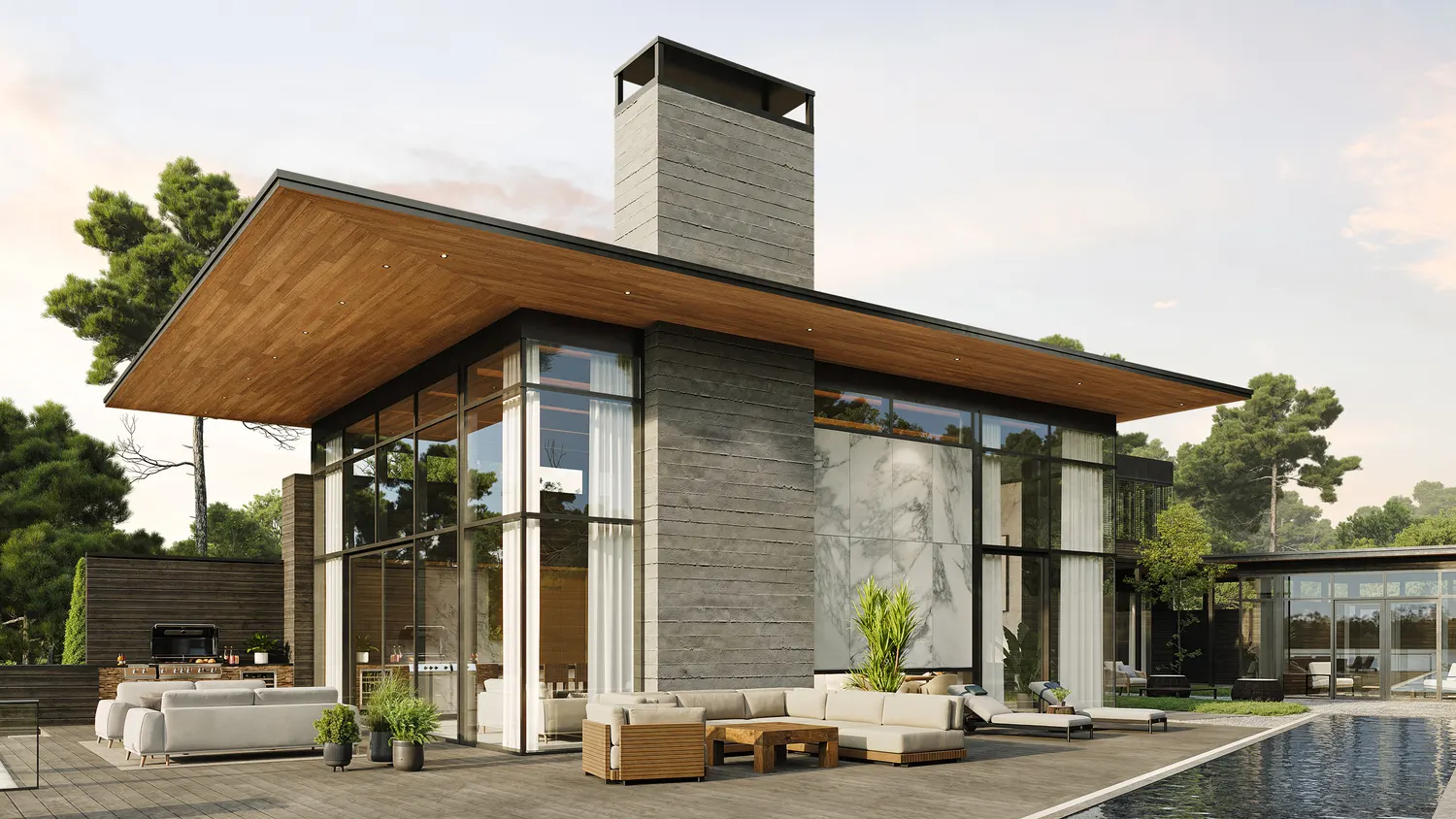
How Real Estate Developers Use 3D Animation
Developers use real estate development animation to turn visual material into measurable commercial outcomes. For example, renders can provide earlier sales, stronger investor interest, faster leasing, and quicker approvals.
Off-Plan Property Sales and Pre-Sales
Animated sequences show apartments, houses, amenities, and shared spaces before construction is finished, so buyers understand the property and picture the lifestyle it offers. For island villas in Panama, PIXREADY created renderings and an animation to generate early investor interest.
Investor Presentations and Project Funding
Fly-throughs and development animations communicate project scale, design intent, site planning, and the intended final result. Clear, immersive real estate animation strengthens pitch decks and helps partners reach funding decisions faster.
Real Estate Marketing and Property Launches
Promotional videos built from the same 3D assets work across websites, landing pages, presentations, digital advertising, and social media campaigns. One production feeds every channel, so launches go live with consistent visuals and no repeat photoshoots or physical travel. With PIXREADY’s renders, as reported by several clients, marketing costs on real estate marketing may fall by 30%. That makes 3D animation services for real estate a practical launch tool.
Commercial Property Leasing
Animations present office buildings, retail developments, hospitality projects, and mixed-use spaces to prospective tenants as furnished, working environments before they are built, which supports pre-leasing campaigns. A commercial real estate firm used PIXREADY visuals for a new office complex and, according to PIXREADY, saw a 40% rise in leasing inquiries, 25% faster lease signings, and 35% less time spent on client presentations.
Planning Presentations and Stakeholder Communication
Real estate animation makes massing, circulation, landscaping, and relationships between buildings easier to understand. For two build-to-rent developments in London, PIXREADY visuals helped align expectations at the approval stage. Animation supports clearer communication, but it does not guarantee planning approval.
Types of 3D Real Estate Animation
3D animation solutions for real estate fall into six main types. Each suits different audiences and project stages. Animation is one of several types of architectural renderings, so developers often pair it with stills.
Exterior Fly-Through Animation
Exterior fly-through animation moves the camera around building facades, landscaping, and site context, and along approach sequences. This allows you to see what a project looks like from the street and how it sits in its surroundings. PIXREADY’s 3D architectural animation service delivers these sequences as one continuous camera path.
Aerial Flyover Animation
Aerial flyover animation shows large residential communities, masterplans, mixed-use developments, and surrounding infrastructure from above. Real estate 3D animations in this format explain scale, access points, and neighborhood integration, which matters most for projects that span several buildings or phases.
Interior Walkthrough Animation
Interior walkthrough animation follows room layouts, circulation, materials, furniture, lighting, and atmosphere from one space to the next. It pairs well with interactive 3D virtual tours, which let buyers and tenants explore layouts and details in real time.
Lifestyle Real Estate Animation
Lifestyle real estate animation adds people, amenities, landscaping, and everyday scenarios. For example, it can be a morning in the kitchen or an evening on the terrace. This helps potential buyers imagine themselves using the space. Emotional engagement is the main goal of real estate marketing 3D animation.
Construction Sequence Animation
Construction sequence animation shows project stages, structural development, and construction phasing where relevant. It is most useful for multi-phase developments, where investors, partners, and buyers want to understand how and when each stage will be delivered.
Mixed Interior and Exterior Animation
Mixed interior and exterior animation is a continuous presentation that moves from the wider development into selected interiors, covering site context, architecture, and key spaces in one film. Because it draws on a single set of 3D assets, the film can be reused across listings, websites, and ads, which suits real estate campaigns.
Key Benefits of Real Estate 3D Animation for Developers
3D real estate animation gives developers business benefits that go beyond how a film looks, from earlier conversations with buyers to consistent marketing across channels.
- Present unbuilt properties: create a visual representation of the project before physical construction is complete, so sales, investor, and partner conversations can start earlier.
- Explain complex developments: communicate site layout, spatial relationships, and architectural features in a single sequence instead of several separate drawings.
- Support buyer engagement: help audiences understand the property and its intended atmosphere, from interior layouts to the surrounding neighborhood.
- Extend marketing content: repurpose suitable animation sequences for websites, presentations, and promotional campaigns, so one production supports several channels.
- Maintain visual consistency: align animated content with still renderings, brochures, and other project marketing materials, so every touchpoint shows the same design.
- Reach remote audiences: present properties to international buyers, investors, and tenants without requiring an in-person site visit, which real estate 3D animation services make practical for projects with distant audiences.
Results vary by project, audience, and distribution plan, so developers should measure outcomes against their own goals rather than expect guaranteed gains in conversion rates or sales speed.
What Does 3D Real Estate Animation Include?
3D animations for real estate can combine several components, and developers commission the ones that fit the brief. A typical package may include:
- Modeling: architectural and landscape models built from supplied project information, such as CAD files and drawings.
- Materials and atmosphere: textures, lighting, and environmental details that match planned finishes.
- Camera work: camera paths, transitions, and scene sequencing.
- Scenes: interior and exterior scenes, depending on the brief.
- Context: people, vehicles, vegetation, and other contextual elements where required.
- Production: rendering, video editing, and optional sound design.
- Delivery: final video files prepared for agreed marketing and presentation channels.
Deliverables depend on project scope, so not every package includes every element. PIXREADY’s workflow, for example, moves from 3D modeling and materials to client feedback, final rendering, and post-production. Before production starts, a real estate 3D animation company should confirm which components, scenes, and formats the brief requires, along with the number of feedback rounds and delivery timelines.
How Much Does 3D Animation for Real Estate Cost?
A 3D animation real estate project is priced by scope, so the estimate depends on the factors below.
Factors that influence real estate animation pricing:
- Video duration and number of scenes.
- Building and environment complexity (detailed facades, landscaping, and surroundings).
- Availability and quality of CAD files, BIM models, drawings, and references.
- Level of photorealism and scene detail.
- Camera movement, animation complexity, and additional effects.
- Voiceover, music, editing, and final output requirements.
- Revision rounds and delivery deadlines.
Before requesting a quote, define the target audience, main marketing message, priority scenes, deliverables, and distribution channels. A clear brief helps studios estimate accurately and avoids paid changes later.
For reference, PIXREADY’s average rates are $40-90 per second of 3D real estate animation, $2,000-5,000 for an interior 3D tour or flythrough, and $2,000-8,000 for an exterior one. Large-scope projects may receive a discount.
Request a project-specific estimate from PIXREADY, and share your materials to receive a timeline and budget.
Real Estate 3D Animation Services by PIXREADY
PIXREADY is a 3D visualization company that provides 3D animation services and architectural visualization for real estate developers, property marketers, architects, and commercial property businesses.
These services support property rendering, off-plan sales, investor presentations, and development communication. An animation lets buyers, investors, and planners see a project in motion before it is built, so teams can launch campaigns, present funding proposals, and explain design intent earlier, using drawings, CAD files, sketches, or references as the starting point.
PIXREADY’s 3D animation solutions for real estate cover six architectural animation formats, each tied to a practical use:
- Exterior fly-throughs present buildings with landscaping and context for investor presentations, planning discussions, and marketing.
- Interior walkthroughs show layouts, lighting, finishes, and space flow for buyers and tenants.
- Aerial flyovers explain masterplans, residential developments, and commercial complexes, including site context and infrastructure.
- Lifestyle animations add people, amenities, and landscaping to help viewers imagine everyday use, which supports pre-sales.
- Phasing and construction sequences explain project stages and timelines to investors and stakeholders.
- Virtual tours let remote audiences explore spaces at their own pace.
Most animations take 1-3 weeks depending on length and detail, with timelines confirmed in advance. Final videos are delivered in formats such as MP4, MOV, or WebM, and you can add music, voiceover, or sound effects.
For the tropical island in Panama, PIXREADY presented a photorealistic aerial animation that placed luxury villas in the tropical landscape and showed the beaches, vegetation, and sheltered harbor. International buyers and investors could explore the island’s setting and development potential remotely, without visiting Panama for an initial evaluation. The owner gained an investment-ready presentation and a reusable video for property promotion, investor presentations, and sales discussions.
Developers who need a real estate animation studio can request a project-specific estimate, including a timeline and budget, by sharing their materials. To compare providers first, see the top 3D rendering companies in the USA.
Conclusion
Animation helps developers present unbuilt projects, support off-plan sales, win investor interest, and communicate design intent. The right format depends on the audience, from exterior fly-throughs to interior walkthroughs and aerial flyovers. Costs follow scope, so a clear brief keeps the budget predictable. Developers who include 3D animation for real estate in their marketing strategy can start with one priority project, share drawings or references, and request a project-specific estimate from PIXREADY.
Get 3d expert on your side
More than a 3D rendering vendor, PIXREADY acts as a strategic CGI partner helping brands
сreate scalable visual content for marketing, sales, and product launches. Let's explore your
project and discuss how CGI can support your business goals!

Stas Dunaevskiy is an Account Manager and Business Development Specialist at PIXREADY, a company focused on scalable CGI production and architectural visualization. He helps clients explore the possibilities of cutting-edge CGI technologies, with a special focus on immersive 3D walkthroughs, virtual tours, and architectural visualization. He has worked with real estate developers, construction companies, and product manufacturers, guiding them toward solutions that bring their projects to life and support business goals. With his consultative approach, Stas ensures that each PIXREADY project combines creative vision with the latest advancements in 3D visualization.