
In the competitive world of eCommerce, standing out in a crowded marketplace like Amazon can be a challenge. With countless products competing for attention, 3D rendering for Amazon is quickly replacing traditional photography as the go-to solution for engaging, interactive product visuals.
Many sellers struggle with traditional photography when it comes to effectively highlighting their product's unique features. If this sounds familiar, you’re not alone. In this article, we’ll explore how this shift can elevate your e-commerce listings and increase conversions.
What are Amazon 3D Product Renders?
Amazon product rendering involves creating detailed, realistic, and interactive images using computer software. Unlike traditional photography, 3D rendering for Amazon allows you to showcase products from every angle, highlight specific features, and provide interactive, zoomable views of intricate details.
Amazon has built these capabilities into its platform, using 3D product renders to power interactive features like 360-degree rotation, close-up zoom on textures and materials, and mobile AR.
This shift reflects a broader trend. Today's shoppers increasingly expect the kind of interactive, hands-on experience they would get in a physical store, even when browsing online. Amazon 3D product images meet that expectation directly, using a single set of digital assets to power multiple interactive formats.
Key Advantages of 3D Rendering for Amazon:
- Photorealistic Detail: Capture textures, materials, and fine product features that photos often miss.
- Consistency: Maintain uniformity across all images, avoiding the inconsistencies of traditional photography.
- Flexibility: Quickly generate new angles, colors, and views without the need for costly reshoots.
- Faster Time to Market: Launch listings using 3D renders built from CAD files or samples, before physical inventory even arrives in a warehouse.
- Cost Savings at Scale: Cut photography costs significantly across large catalogs, since one 3D model can generate every color and variation needed.
With Amazon visualisation, your products stand out in search results, attract more clicks, and give customers the confidence to buy.
This is especially true for cosmetics 3D rendering services, where texture accuracy — glossy packaging, powder finishes, glass or acrylic containers — can make or break a customer's perception of quality. The same principle applies to 3D rendering for sports brands, where material performance and durability need to come through clearly in every image.

Why Amazon 3D Product Renders Outperform Traditional Photography?
Choosing between 3D product rendering and traditional product photography can significantly impact your success on Amazon. Unlike traditional product photography or AI product photos, an Amazon product rendering company provides immersive, interactive views that allow customers to explore products in multiple dimensions and settings. Let’s break down the key differences of 3d rendering vs photography focusing on visual appeal, cost, flexibility, scalability, and time efficiency.
- Visual Appeal and Realism
3D rendering for Amazon delivers photorealistic visuals, allowing customers to view products from multiple angles and even interact with them. Traditional product photos are limited by factors like lighting and angles, which can lead to inconsistent visuals.
- Cost-Effectiveness
While the initial cost of creating a 3D model is higher, it can be reused and modified, saving money on repeated photoshoots. Traditional photography incurs ongoing costs for each new product version.
- Speed to Market
3D rendering lets sellers launch listings before physical inventory exists, since renders can be produced directly from CAD files or early samples. Traditional photography requires a finished product in hand before a single image can be captured.
- Flexibility & Scalability
3D rendering offers unmatched flexibility; changes can be made easily. Traditional images require new photoshoots for updates, complicating consistency. Scaling with 3D rendering ensures high-quality visuals across a large catalog without multiple photoshoots.
- Consistency Across Large Catalogs
For sellers managing dozens or hundreds of SKUs, 3D product rendering keeps lighting, angles, and background style identical across the entire catalog. Traditional photography often introduces inconsistencies between shoots, especially when sessions happen weeks or months apart.
- Time Efficiency
Once a 3D model is created, generating new images is fast and efficient, allowing quicker product launches. Traditional photography requires longer production and editing times, potentially delaying your time to market.
Amazon 3D Rendering vs Traditional Photography
In conclusion, while traditional product images have their place, 3D rendering Amazon offers unparalleled advantages. From stunning visuals to cost efficiency, it’s a powerful tool that gives you an edge in the competitive marketplace.
Benefits of Amazon 3D Product Renders for Marketplace Listings
Investing in Amazon 3D product rendering doesn’t just enhance your listing images and visual appeal—it delivers significant business advantages:
1. Increased Customer Engagement and Conversions
With interactive, high-quality Amazon 3D rendering product photos, customers are more likely to spend time on your product listing, which increases engagement and boosts conversion rates.
2. Long-Term Savings and Better ROI
The ability to reuse and modify 3D models translates into cost savings over time, leading to a higher return on investment (ROI).
3. Faster Time-to-Market and Marketing Agility
You can quickly update Amazon 3D-rendered product images and bring products to market faster, staying ahead of competitors.
4. Efficient Management of Large Product Catalogs
As your business grows, 3D for ecommerce makes it easier to maintain consistent, high-quality visuals across multiple products without the logistical challenges of coordinating numerous photoshoots.
5. Stronger Search Visibility and Click-Through Rates
Photorealistic Amazon 3D rendering images stand out in a crowded search results page, encouraging more shoppers to click through and explore a listing before they even reach the product page.
By using 3D product rendering for Amazon for your listings, you not only enhance visual appeal but also gain significant business advantages, from cost savings to stronger customer relationships and trust.
.webp)
Which Amazon Products Benefit Most From 3D Rendering?
While 3D rendering benefits nearly any Amazon listing, certain product categories see especially strong results. For them, visual complexity or material detail makes traditional photography particularly limiting. Here's where 3D rendering delivers the most value.
Consumer Electronics
Smart home devices, headphones, speakers, appliances, and gadgets all benefit from precise material rendering — brushed metal, matte plastic, glass screens. Traditional photography often struggles to capture consistently across a full product line and multiple color variants.
Furniture and Home Products
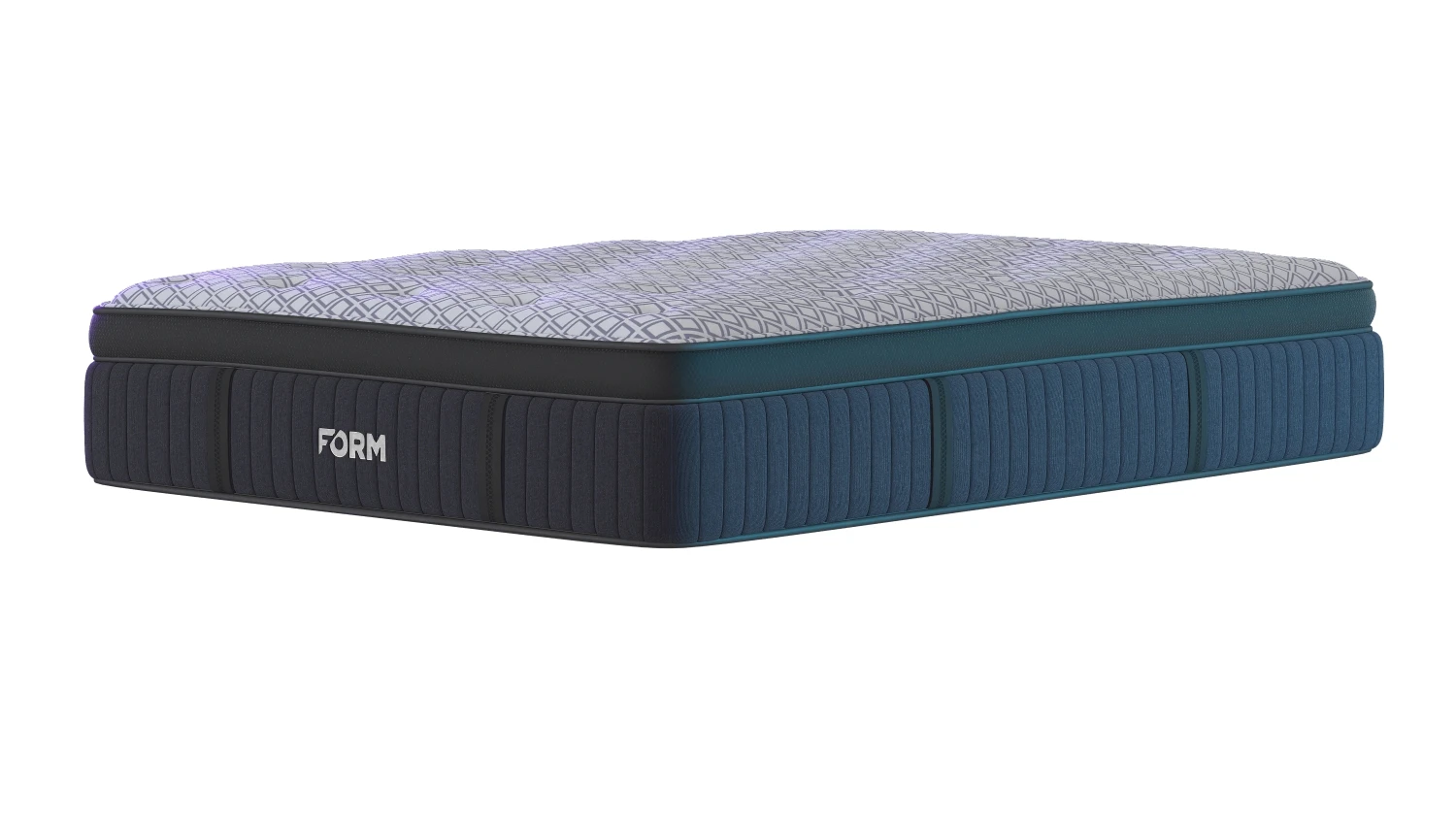
Furniture, lighting, kitchen products, and home accessories benefit from lifestyle scenes. They show items in realistic room settings, helping shoppers picture how a piece will look and function in their own space before making a purchase decision. The same applies to bedding and mattress rendering, where fabric texture and comfort need to be communicated visually.
Beauty and Cosmetics
For cosmetics sellers, 3D rendering accurately captures packaging details, from glossy finishes to glass or acrylic containers. This makes it easy to visualize entire product collections and shade ranges without a separate photoshoot for every single variation.
Automotive and Accessories
Car accessories, EV equipment, and automotive components often involve intricate mechanical detail that is difficult to photograph clearly under standard lighting conditions. 3D rendering shows these products with precision, highlighting fit, finish, and function from every angle.
Complex Consumer Products
Products with hidden components or technical features benefit from exploded views, technical visualization, and feature demonstrations. This breaks down how a product actually works — something a static photo simply cannot communicate to a potential buyer.
How to Create Effective 3D Product Images for Amazon: A Step-by-Step Guide
Creating professional-grade 3D product renders for an e-commerce store like Amazon involves several key stages. Here's the complete workflow, step by step.
Step 1: Collect Product References
Before Amazon 3D product rendering services, the team gathers everything needed to build an accurate model — CAD files, technical drawings, product dimensions, reference photos, and material samples. The more complete this reference set is, the faster and more accurate the resulting 3D model will be.
Step 2: Create a 3D Product Model
Using this data, the team builds geometry to digitally reconstruct the product, matching real-world dimensions and proportions precisely. Modeling your product in 3D at this stage lays the foundation for every render that follows. The more precise the model, the more realistic the final image will look to shoppers.
Step 3: Apply Materials and Textures
PBR materials simulate how light interacts with real surfaces — metal, glass, fabric, plastic. The aim is to ensure textures look convincing under any lighting condition. High-resolution textures and bump or normal maps add fine surface detail like grooves and stitching that remain crisp and clear.
Step 4: Create Product Scenes
With the model and materials complete, the product is placed into a scene. It can be a clean studio environment for primary listing images, a lifestyle interior to show real-world context, or a fully custom digital environment. Lighting is set up carefully at this stage using techniques like three-point lighting to highlight the product's finish and key features from every angle.
Step 5: Render Images for Different Listing Requirements
Once a scene is built, multiple views and formats can be generated from that same setup — square images for the main listing, wide banners for A+ Content, and close-up detail shots. It doesn’t require rebuilding the scene from scratch for each new format required by the listing.
Step 6: Post-Production and Final Delivery
Final Amazon 3D rendering pictures undergo light retouching with tools like Photoshop to adjust contrast, sharpness, and color balance, keeping edits minimal so the product remains realistic and trustworthy for shoppers. Files are then exported and prepared in the correct formats and resolutions for Amazon's listing requirements.
For example, imagine you're listing a modern chair. To create Amazon 3D product images of a coastal one-seater chair, the furniture brand partnered with PIXREADY. We modeled the chair, applied realistic textures to show its woven fibers and wooden frame, and used soft lighting to highlight its craftsmanship. These lifelike furniture renderings allow customers to view the product as if it were in front of them, building trust and boosting purchase confidence.

Best Practices for Amazon Rendering
When using Amazon 3D rendering of products, it’s important to follow Amazon’s image guidelines as part of high quality marketing to ensure your products stand out while meeting their standards. Here are some key tips and best practices:
1. Follow Amazon’s Image Guidelines
Amazon has specific rules for product images, whether they are photographs or Amazon rendering products. Here are the basics:
- Main Image: The main visual must show the product on a plain white background, without any props, logos, or watermarks. The product should fill 85% or more of the image space.
- Image Quality: Amazon requires high-quality images with a minimum size of 1000 pixels on the longest side, and rendered images must meet the same resolution standards as traditional photos.
- File Format: Amazon product renders should be in JPEG, PNG, TIFF, or GIF format. The underlying 3D model files are typically delivered in GLB or GLTF for Amazon's interactive viewer.
- Creation Methods: Sellers can create 3D content by scanning products with the Amazon Seller app, or by uploading custom-built files through Amazon's image manager.
Best Practice: Follow these guidelines for your Amazon 3D rendering product images to avoid image rejections or listing delays.
2. Use Multiple Angles to Showcase Key Features
One of the biggest advantages of Amazon rendering services is showing your listing from multiple angles. This helps customers see every detail and get a better understanding of the product.
- Include close-ups of important features, like textures, materials, or unique design elements.
- Use angles that highlight how the product looks in real life, just as you would with traditional photos.
Best Practice: Show your product’s best sides—literally. Multiple-angle views can answer customer questions and boost their confidence in buying.
3. Create Lifestyle Images to Help Customers Visualize
Lifestyle images are powerful tools that place your product in a real-world setting. With 3D renders, you can create custom scenes that highlight how your product looks when in use. For example:
- Show a sofa in a beautifully designed living room.
- Display a kitchen appliance on a modern countertop.
- Feature outdoor furniture in a serene garden or patio.
These Amazon rendering pictures help customers picture how the product fits into their own lives, which can lead to higher engagement and sales.
Best Practice: Use lifestyle images to tell a story. Make sure the environment reflects your target audience's style so the product feels like it belongs in their home.
Why Choose PIXREADY as Your Amazon 3D Rendering Company?
Our Amazon 3D product rendering agency specializes in creating stunning, photorealistic renders. The expert team combines proven CGI techniques with AI-powered tools to accelerate production without sacrificing quality, delivering visuals that elevate your listings, attract customers, and drive sales faster than traditional workflows alone.
Case Study 1: Bringing a Haircare Brand's Story to Life
Camomila Intea, a heritage haircare brand under Intea Cosmetics, partnered with PIXREADY to create a dynamic 20-second 3D animation. The aim was to capture the essence of chamomile, light, and natural blonde hair for its product launch. Amazon 3D product visualisation services included renders in both plain and lifestyle settings, giving the brand versatile assets for its website, Amazon listings, and social media. Together, the animation and renders formed a complete visual package that helped Camomila Intea connect with its audience and elevate its product launch.
Case Study 2: Presenting Colors in Modern Aesthetics
A luxury bathroom furniture manufacturer wanted to launch a new collection featuring over 200 products in seven vibrant colors. PIXREADY crafted 3D renders that captured the collection's textures and multiple color variations, showcasing its durability and elegance. We presented these pieces in beautiful interior settings, helping customers imagine how the products would look in their homes. The result? The client saw a 30% boost in online inquiries and increased confidence in the quality of their designs.

Case Study 3: Boutique Penthouse 3D Scenes
PIXREADY collaborated with Versmissen, a prestigious Dutch furniture brand, to create photorealistic scenes highlighting their luxurious products. We meticulously modeled their high-end furniture in 3D and placed it in a beautifully imagined penthouse setting. This resulted in stunning visualizations that enhanced product presentations. CGI by Amazon product 3D rendering company reached a 25% increase in engagement from interior design professionals and clients, further establishing Versmissen in the luxury market.

Conclusion
Incorporating Amazon 3D rendering services into your e-commerce strategy significantly enhances your product listings, driving customer engagement and increasing sales. In a crowded marketplace, photorealistic visuals that vividly represent your products provide a competitive advantage by showcasing intricate design details and facilitating testing of new variations. By empowering customers to make informed decisions, 3D rendering leads to higher satisfaction rates and fewer costly returns.
Now is the perfect time to elevate your Amazon listings and stand out in a crowded marketplace. Discover how Amazon product rendering services can transform your brand, streamline your workflow, and leave a lasting impression on potential buyers. PIXREADY's award-winning work, including a recent Bronze win at the WBDS Awards 2025/26, reflects our commitment to combining creative quality with real business results. Contact us today to learn how we can help you succeed!
Get 3d expert on your side
More than a 3D rendering vendor, PIXREADY acts as a strategic CGI partner helping brands
сreate scalable visual content for marketing, sales, and product launches. Let's explore your
project and discuss how CGI can support your business goals!
.png)
Founded by a group of technology, architecture, and design professionals in 2018, PIXREADY is one of the challengers empowering the 3D visualization industry and making its products and services more affordable.We are determined to assist businesses around the world to create photorealistic images of their products and ideas and enrich the experience of their clients. We focus on the details, with the highest precision in every pixel.