3D Medical Visualization: A Guide for Medical Device and Healthcare Brands
Explore how 3D medical rendering helps medical device manufacturers create accurate CGI for marketing, product development, education, and long-term digital content.
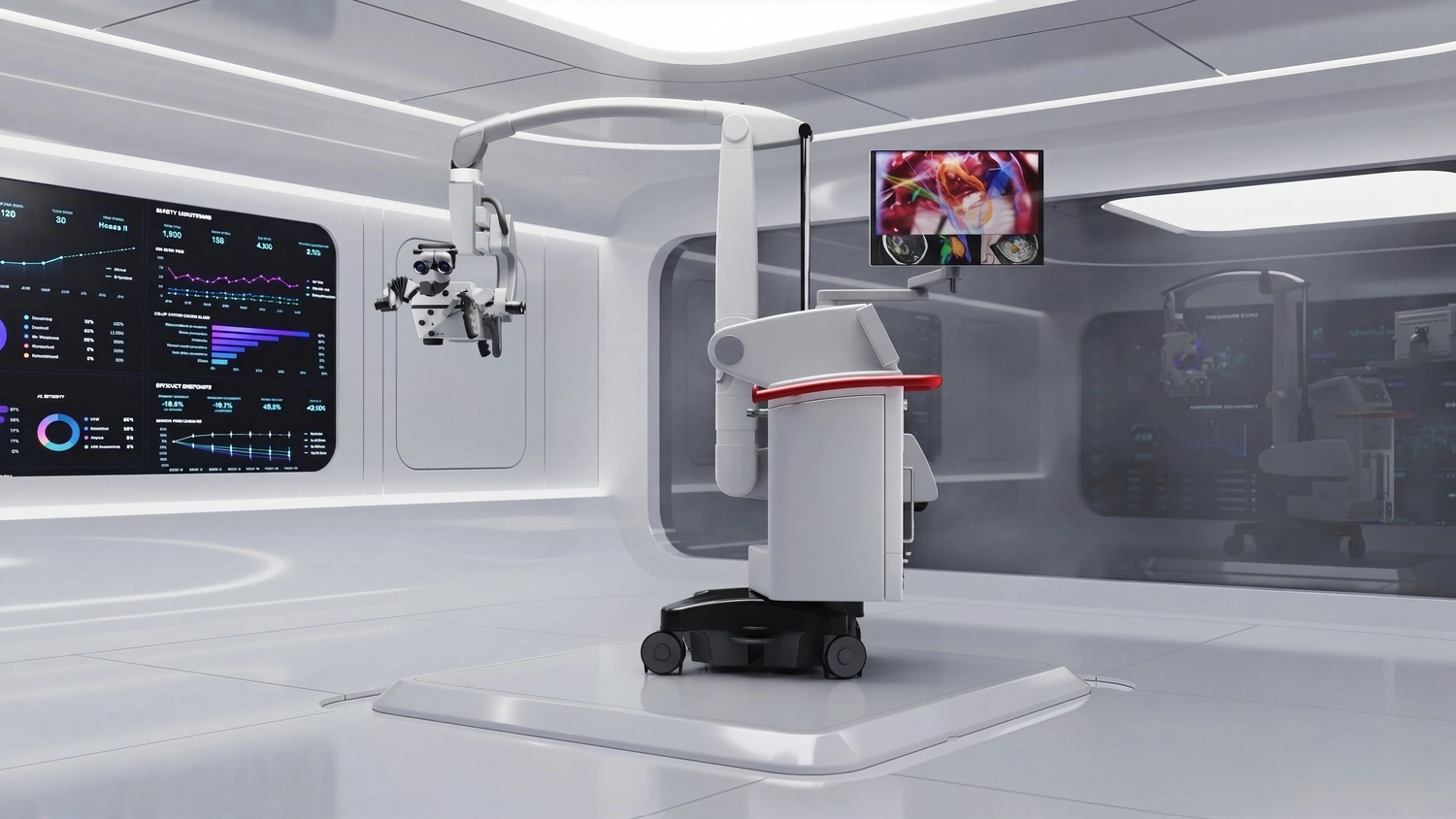
Medical device and healthcare companies often need to present products that are difficult to photograph, still in development, or hidden inside the human body.
3D medical visualization solves this challenge by turning technical information into clear visuals for marketing, education, sales, and product development. This guide shows how to choose the right visualization approach and create content that supports better business decisions.
What Is 3D Medical Rendering?
3D medical rendering is the process of transforming digital 3D models of medical products, anatomy, equipment, or procedures into photorealistic or explanatory visuals. Artists build or refine models, apply realistic materials and textures, set lighting and camera angles, and produce product renderings tailored to specific communication goals.
Unlike traditional photography, CGI can reveal internal structures, hidden mechanisms, and products that have not yet been manufactured. Medical device companies can present implants before production, while healthcare brands can clearly demonstrate how equipment, treatments, or drug delivery systems function inside the human body.
Beyond creating attractive images, medical visualization helps businesses communicate complex information more effectively. It supports product marketing, medical education, engineering reviews, investor presentations, and healthcare training. Because the original 3D assets remain editable, they can also be reused for animations, interactive applications, product updates, and future marketing campaigns, providing long-term value throughout the product lifecycle.
What Can Be Visualized With 3D Medical Rendering?
3D medical visualization allows healthcare companies to present products, anatomy, and medical environments that are difficult or impossible to capture with traditional photography. Because every asset is created digitally, visuals can be updated, customized, and reused throughout the product lifecycle.
Medical Devices
Medical CGI accurately presents surgical instruments, diagnostic equipment, patient monitoring systems, prosthetics, orthopedic implants, catheters, wearable medical devices, and robotic surgical technologies. Internal components and product functionality can also be shown clearly.
.webp)
Pharmaceutical Products
Medical 3D rendering helps visualize drug delivery systems, inhalers, injection devices, capsules, packaging, and biological mechanisms, making complex treatments easier to understand.
Anatomy and Medical Procedures
Healthcare organizations use CGI to illustrate organs, bones, muscles, blood vessels, anatomical systems, implant placement, surgical techniques, treatment processes, and device interaction with the human body.
Healthcare Facilities and Emerging Technologies
Medical 3D visualization also supports hospital rooms, operating theatres, diagnostic environments, medical equipment layouts, AI-powered healthcare technologies, advanced prosthetics, biomedical innovations, and digital health solutions for marketing, education, and product presentations.
Types of 3D Medical Visualization
Different healthcare projects require different visualization formats depending on the product, audience, and communication goals. Choosing the right type helps companies explain complex technologies more effectively while maximizing the long-term value of their digital assets.
Photorealistic Medical Rendering
3D medical rendering creates lifelike images for marketing, websites, brochures, investor presentations, and product launches. It accurately reproduces materials, colors, and lighting before physical products are available.
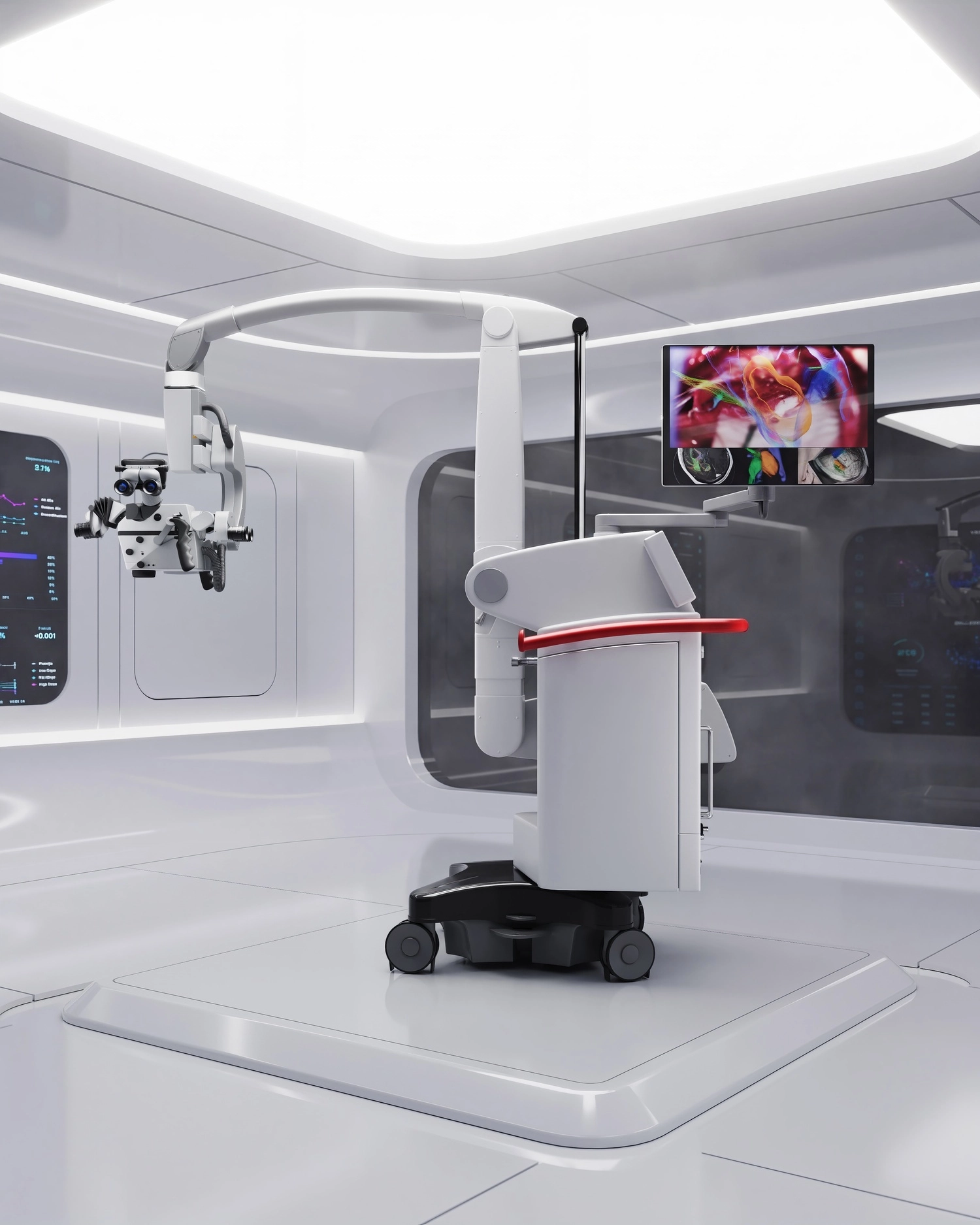
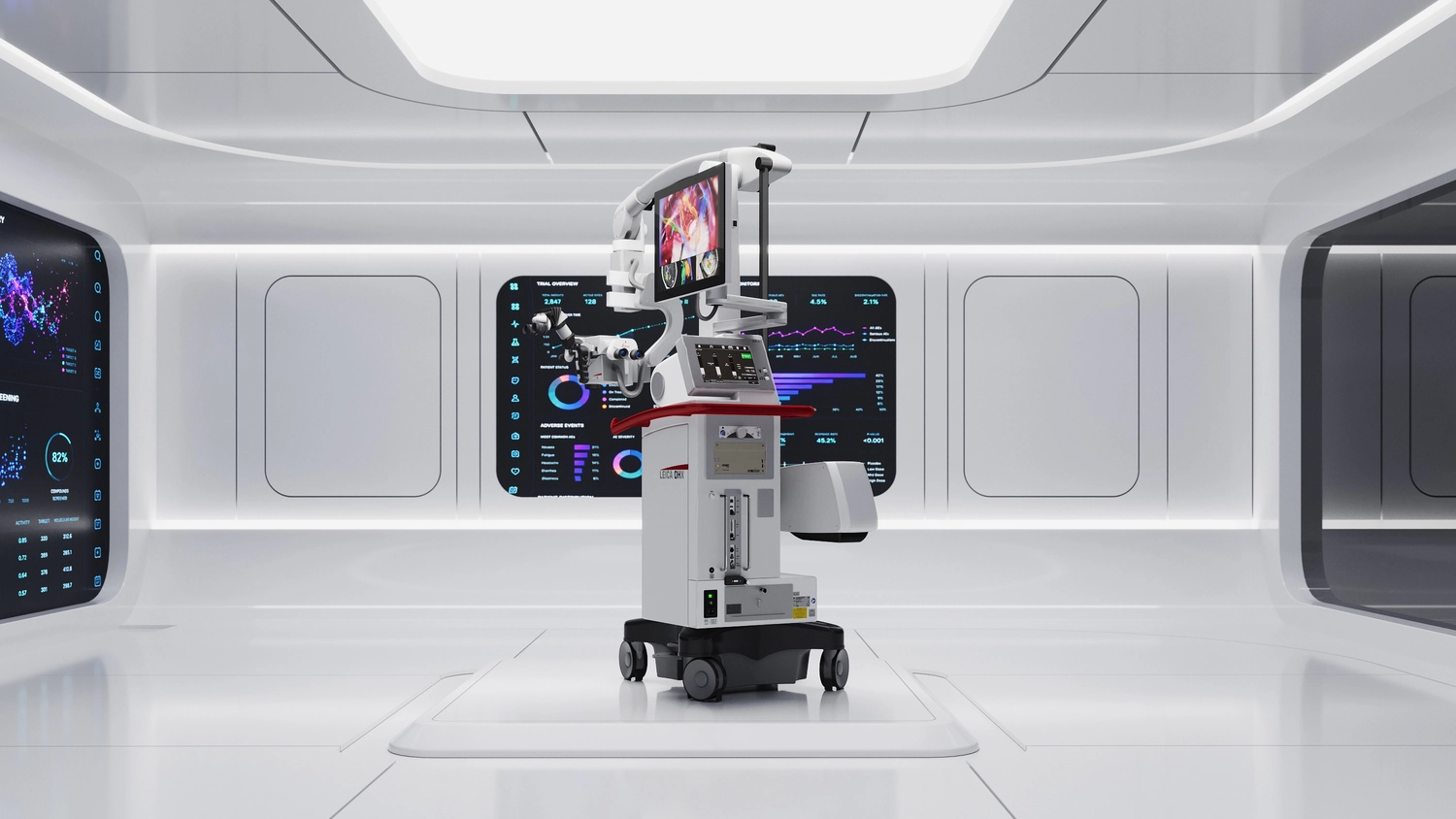
For example, our mobile surgical operating microscope visualization demonstrates how photorealistic CGI presents complex medical equipment before manufacturing.
Technical Medical Rendering
Technical illustrations focus on components, construction, materials, internal mechanisms, and engineering details. They help manufacturers, engineers, and healthcare professionals better understand how medical products are designed and assembled.
Anatomical 3D Visualization
This format explains organs, tissues, blood vessels, muscles, and biological processes. It is widely used for medical education, patient communication, and healthcare training.
Medical Product Rendering
Medical 3D rendering presents medical devices before manufacturing, allowing companies to prepare marketing materials, sales presentations, and investor content while products are still in development.
Exploded View and Cutaway Visualization
Exploded views separate components to show assembly, while cutaway visuals reveal hidden internal structures without physically opening the product. Both formats improve technical communication and product demonstrations.
Medical Animation
Medical rendering can also be delivered as a 3D product animation to explain movement, treatment procedures, surgical techniques, device functionality, and biological mechanisms that cannot be understood through static images alone.
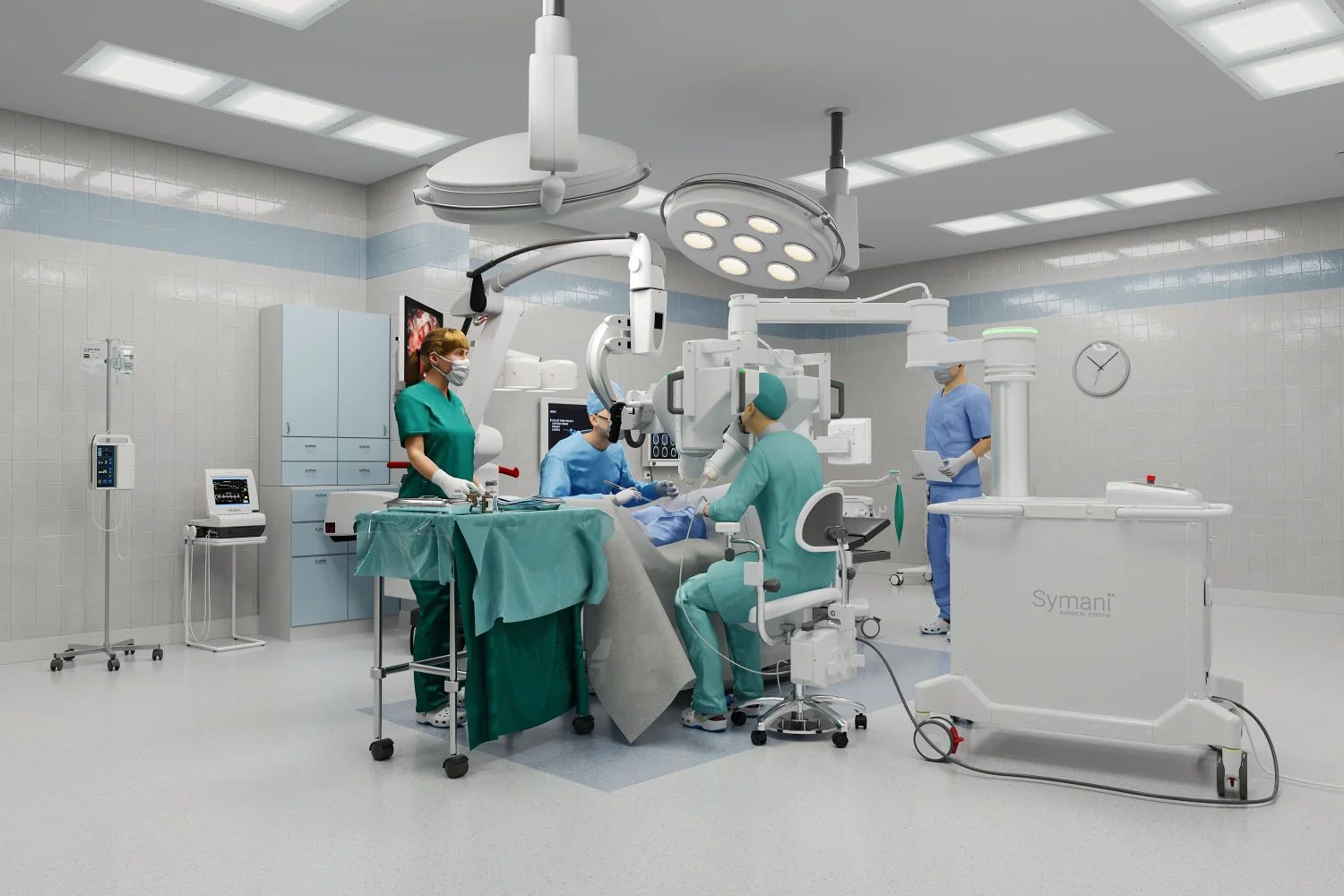
A good example is our robotic surgery training project, where photorealistic animations helped train hospital teams using realistic surgical simulations.
Interactive 3D Visualization
Interactive applications allow users to rotate products, explore configurations, and examine medical devices in real time. A medical render can also support product configurators, training platforms, web experiences, and interactive presentations.
Why Use 3D Medical Visualization Services?
Medical products are often difficult to explain using traditional photography alone. 3D medical rendering services help companies communicate complex technologies more clearly while improving marketing efficiency, supporting faster decision-making, and increasing the long-term value of digital content.
Visualize Products Before Manufacturing
Medical companies can present products before physical prototypes are completed using professional product rendering workflows, allowing marketing, sales, and investor communication to begin much earlier.
Explain Complex Medical Technologies
A medical render transforms technical mechanisms, internal structures, and treatment processes into clear visual stories that are easier for healthcare professionals, patients, and investors to understand.
Improve Product Marketing
Professional CGI creates consistent content for:
- Websites
- Product pages
- Brochures
- Advertising
- Trade shows
- Sales presentations
Support Medical Education and Training
Medical visualization explains anatomy, clinical procedures, and device functionality through accurate, engaging visuals that improve understanding.
Reduce Dependence on Physical Prototypes
A 3D medical visualization company can create photorealistic marketing assets without repeatedly photographing physical products, helping businesses reduce 3D product rendering costs while accelerating product launches.
Create Consistent Visual Assets
Digital models maintain consistency:
- Materials
- Colors
- Lighting
- Camera angles
- Branding
Localize Content for Different Markets
With 3D medical rendering services, one accurate 3D model can generate localized visuals, updated marketing materials, and product variations for multiple markets while maintaining visual consistency across every communication channel.
Medical 3D Rendering vs. Traditional Medical Illustration
Both medical illustrations and 3D renderings help communicate complex healthcare concepts, but they serve different purposes. While illustrations are useful for simplified educational content, 3D medical device rendering creates realistic visuals that support marketing, product development, sales, regulatory communication, and long-term commercial use. The comparison below highlights the key differences.
For healthcare companies, professional CGI provides greater flexibility throughout the product lifecycle. A single digital model can generate marketing images, animations, interactive presentations, localized materials, and future updates without rebuilding the project. This makes 3D medical visualisation a more scalable investment for businesses that regularly introduce new products or expand into additional markets.
How the 3D Medical Product Rendering Process Works
Every successful medical rendering project follows a structured production workflow. Clear planning, technical accuracy, and collaboration at each stage help ensure high-quality visuals that meet both commercial and educational objectives. A 3D medical imaging visualization project typically includes the following steps.
Step 1. Project Brief
The project begins by defining the objective, target audience, required visuals, deliverables, and reference materials. Clients also provide technical documentation, CAD files, product information, and brand guidelines to establish clear production requirements.
Step 2. 3D Modeling
Artists create or optimize accurate 3D models of the medical product, equipment, anatomical structure, or healthcare environment using engineering drawings, CAD data, photographs, or existing models. This stage forms the foundation of professional medical 3D rendering services, ensuring accuracy throughout the entire visualization process.
Step 3. Materials and Textures
Materials are recreated to match the real product, including metals, plastics, glass, silicone, medical-grade materials, transparent components, and anatomical surfaces. Accurate textures improve realism while preserving technical precision.
Step 4. Lighting and Camera Setup
Lighting, composition, and camera angles are developed according to the communication goal. Marketing visuals emphasize realism, while educational images prioritize clarity and important technical details.
Step 5. Rendering
A medical visualization project generates high-resolution photorealistic images, exploded views, cutaway illustrations, or explanatory visuals suitable for marketing, education, and product presentations.
Step 6. Review and Revisions
Clients review preview images, and artists refine materials, lighting, colors, labels, camera positions, and technical details based on feedback.
Step 7. Final Delivery
A 3D medical visualization company prepares optimized assets for websites, brochures, presentations, trade shows, training materials, and digital campaigns. Because the original 3D models remain reusable, 3D rendering services also support future product updates, animations, and localized marketing content without rebuilding the project.
What Information Is Needed to Create a Medical 3D Rendering?
The quality and accuracy of a medical rendering project depend largely on the information available before production begins, helping artists recreate products with greater precision.
Medical 3D rendering services can begin with different types of source materials, depending on the product's development stage. Useful inputs include:
- CAD files
- Technical drawings
- Product photographs
- Engineering documentation
- Sketches
- Existing 3D models
- Anatomical references
- Brand guidelines
- Reference images
A finished physical product is not required. Many companies begin visualization medical projects using CAD data, engineering files, or concept sketches before prototypes exist. This allows marketing, sales, and product teams to review accurate visuals earlier, accelerate decision-making, and prepare launch materials long before manufacturing is completed.
Why Choose PIXREADY as Your 3D Medical Visualization Company
Successful healthcare projects require accurate visuals, efficient production, and long-term digital assets. PIXREADY combines technical expertise with 3D medical rendering to help medical companies communicate complex products clearly and support marketing, education, and product development.
- Extensive experience in medical device and healthcare product visualization.
- Proven expertise in photorealistic product rendering with accurate materials and technical details.
- Fast turnaround and scalable production for projects of any size.
- Flexible deliverables, including static renders, animations, interactive presentations, and 360° product views.
- Technical accuracy based on CAD files, engineering documentation, and close client collaboration.
- Clear visualization of complex products, internal mechanisms, and invisible medical processes.
- Reusable digital assets that support future updates, localization, and marketing campaigns.
- Reliable medical 3D visualization workflows with structured quality control and consistent results.
Case Study: Medical Equipment
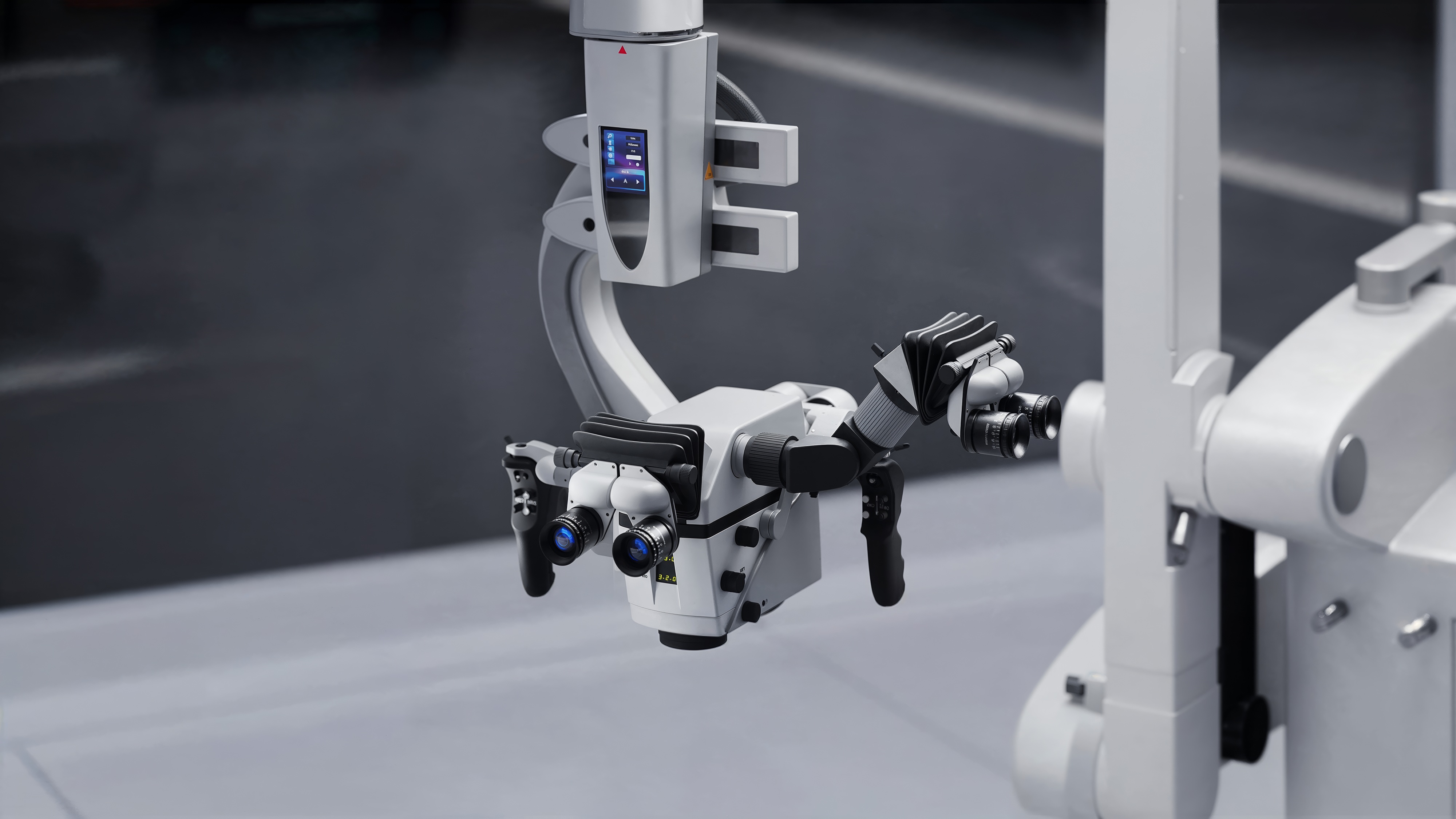
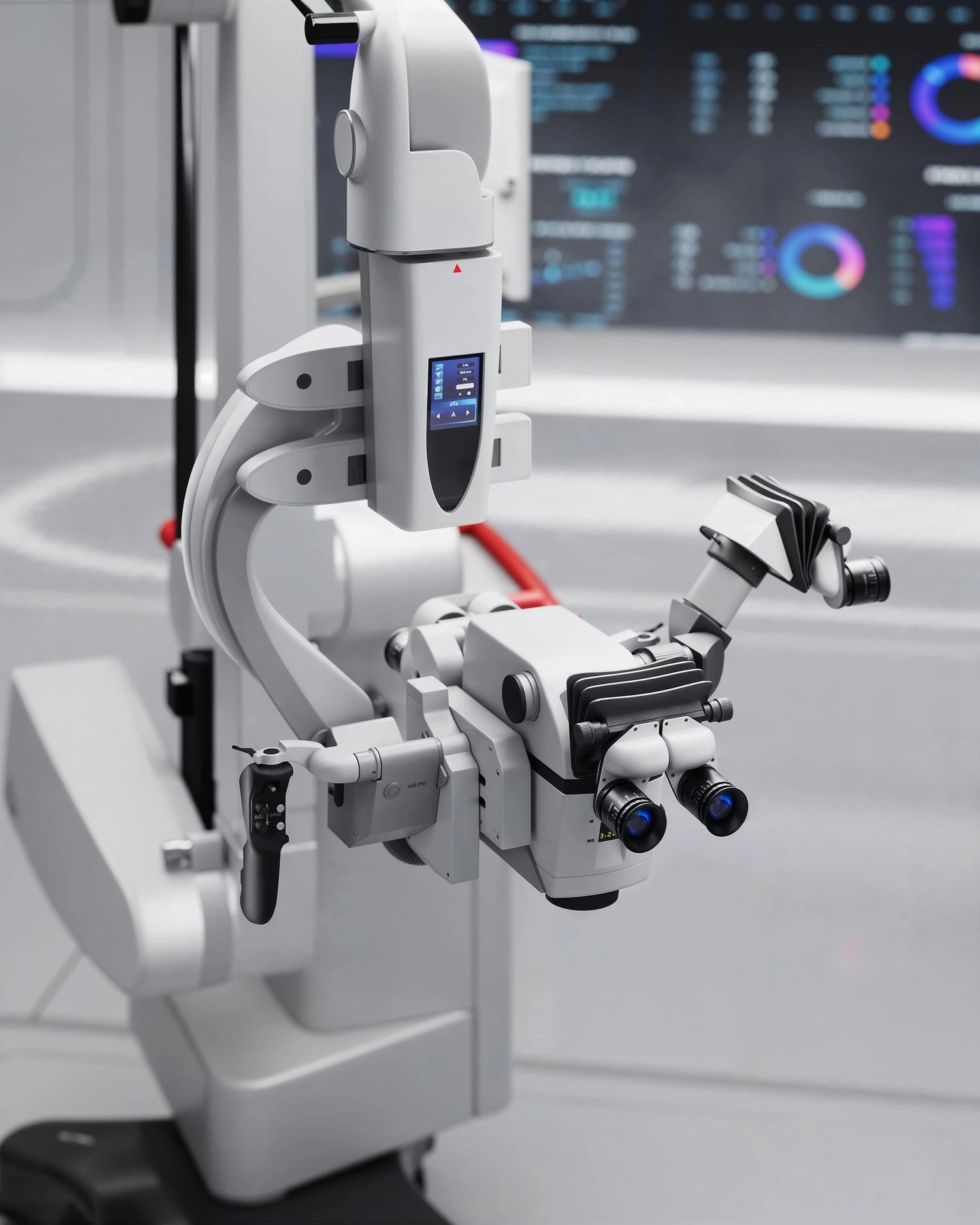
One example is our medical equipment visualization project, which demonstrates how 3D medical visualization services help manufacturers present advanced technology before physical products are available. For this project, PIXREADY created a photorealistic CGI of a mobile surgical operating microscope, accurately reproducing its optical system, articulated arm, control interfaces, and engineering details.
Premium materials, realistic lighting, and carefully planned compositions transformed a highly technical device into clear, engaging marketing visuals. The final renders supported hospital presentations, medical exhibitions, investor pitches, product launches, websites, and promotional materials, helping communicate innovation while reinforcing confidence in the product's quality, precision, and professional design.
Case Study: Surgical Robotics Training
Another example is our surgical robotics visualization project, which shows how 3D medical rendering services support medical education alongside product marketing. PIXREADY partnered with Medical Microinstruments to create photorealistic renders and animations of operating rooms, surgical equipment, and robotic procedures for a hospital training simulator.
Accurate 3D models, realistic lighting, and immersive animations helped demonstrate equipment positioning across multiple surgical scenarios. The final visual assets improved hospital onboarding, supported robotic surgery training, and gave healthcare teams a clear understanding of complex operating environments. This project demonstrates how professional CGI can simplify advanced medical technologies while enhancing training efficiency and user engagement.
Conclusion
3D medical visualization helps healthcare companies explain complex products, accelerate marketing, and create reusable digital assets that support education, sales, investor communication, and product launches before manufacturing is complete.
By incorporating professional medical renders into your marketing strategy, businesses can improve communication, strengthen brand consistency, and achieve greater long-term value through visualization medical solutions tailored to commercial healthcare applications while supporting future product development and content creation.
Get 3d expert on your side
More than a 3D rendering vendor, PIXREADY acts as a strategic CGI partner helping brands
сreate scalable visual content for marketing, sales, and product launches. Let's explore your
project and discuss how CGI can support your business goals!
.png)
Founded by a group of technology, architecture, and design professionals in 2018, PIXREADY is one of the challengers empowering the 3D visualization industry and making its products and services more affordable.We are determined to assist businesses around the world to create photorealistic images of their products and ideas and enrich the experience of their clients. We focus on the details, with the highest precision in every pixel.
FAQ
What is 3D medical visualization used for?
Medical 3D rendering helps explain medical products, anatomy, and procedures for marketing, education, product development, investor communication, and healthcare training.
Can 3D medical rendering show the inside of a medical device?
Yes. Cutaway and exploded-view renderings reveal internal components, assembly, and functionality without physically opening the device.
Can medical devices be rendered before they are manufactured?
Yes. Most projects begin with CAD files, engineering drawings, or existing 3D models, allowing visualization before physical prototypes are available.
What files are needed for medical 3D rendering?
Useful materials include CAD files, technical drawings, product photos, sketches, anatomical references, engineering documentation, and brand guidelines.
How does 3D rendering help medical device marketing?
It creates consistent visuals for websites, brochures, trade shows, sales presentations, product launches, and investor communication, even before manufacturing is complete.
How long does a medical 3D visualization project take?
Project timelines depend on project complexity, deliverables, revisions, and available source materials. Static renderings are usually completed faster than animations or interactive experiences.

-2.webp)