Top 8 Restaurant Rendering Trends in 2026
Discover how to implement the top 8 restaurant 3D rendering trends for 2026 successfully.

Visualization has become a key tool in modern hospitality design and marketing. Yet many developers and restaurateurs struggle to explain their concepts clearly before construction begins. This article explores restaurant rendering and how it helps solve that problem.
We will look at the growing role of 3D rendering, AI tools, and immersive technologies in hospitality planning and branding. Photorealistic visuals help restaurants attract investors, franchise partners, and future customers.
Why Restaurant 3D Rendering Matters in 2026
In 2026, restaurant renders are becoming an essential tool for hospitality design and development. Restaurants are more complex than ever, combining branding, interior design, customer experience, and operational efficiency. Because of this, clear visualization is critical before construction begins.
One major benefit is faster concept approvals. Photorealistic visuals allow investors and decision-makers to understand the design and approve projects with greater confidence quickly.
Restaurant renderings also improve communication between designers, owners, and operators. Instead of interpreting technical drawings, teams can review images that show layout, lighting, materials, and atmosphere.
Another key advantage is stronger marketing before opening. Hospitality businesses can create promotional materials, social media visuals, and investor presentations long before the physical space exists.
Visualization also supports franchise growth and multi-location expansion, ensuring design consistency across different markets. Finally, restaurant renders help reduce costs during design revisions, since changes can be tested digitally instead of rebuilding physical elements.
Top 8 Trends in Restaurant Rendering for 2026
Dining space design is evolving quickly. Visualization tools are becoming more powerful every year. In this section, we highlight the top trends shaping rendering in 2026. From photorealistic interiors to AI-assisted workflows and immersive experiences, new technologies are transforming how restaurants are planned and presented. Modern 3D rendering of a restaurant helps designers, investors, and operators understand concepts clearly before construction begins.
In the following sections, we will explore how advanced lighting, storytelling visuals, interactive tours, and brand-focused design visualization are changing hospitality projects. These trends show how professional rendering is becoming an essential tool for design approval, marketing, and franchise expansion in the hospitality industry.
1. Photorealistic Interior Restaurant Renderings
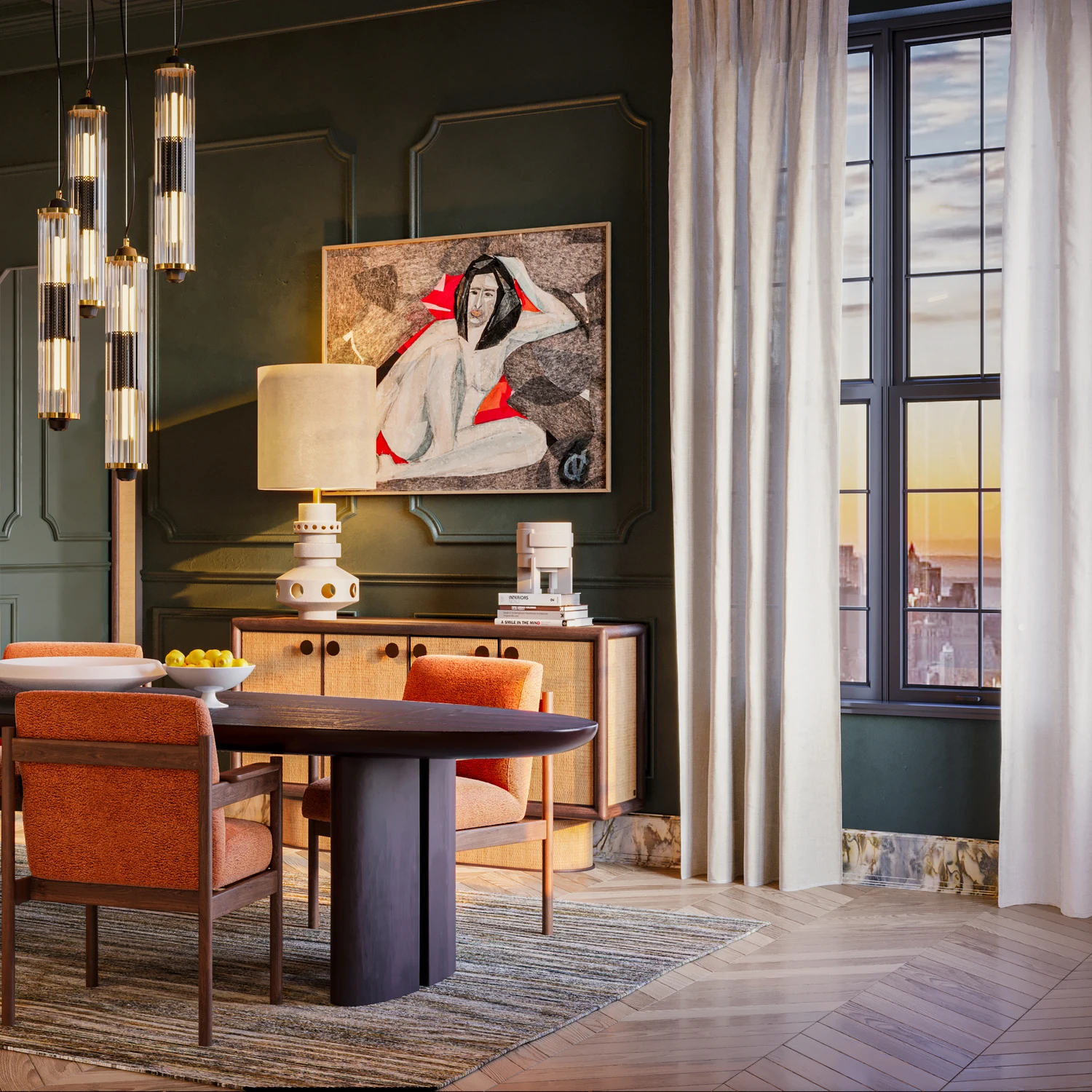
Photorealistic interior restaurant render remains one of the most important tools in modern hospitality design. Advanced lighting simulation plays a key role by showing natural daylight, evening ambiance, and decorative lighting such as candles or neon signs.

High-quality visualizations also rely on realistic materials. Surfaces like wood, stone, fabrics, and metals react to light in a natural way, making the interior look believable. Accurate reflections and shadows add depth and help viewers feel the atmosphere of the space.
These techniques are widely used in many hospitality concepts. Examples include elegant fine dining interiors, stylish modern cafés, rooftop restaurants with city views, and cozy bars and lounges designed for nightlife and social experiences.
2. AI-Assisted Rendering Workflows
AI tools help designers create quick concept previews and explore visual ideas at the early stage of a project. AI can also generate mood boards faster, allowing teams to test colors, lighting styles, and design directions in minutes.
Another useful feature for interior restaurant rendering is AI-assisted material variations. Designers can quickly experiment with different textures, such as wood, stone, or metal, to see how they change the atmosphere of a commercial dining space.
However, AI still has limitations for commercial visualization. It often lacks accuracy in scale, lighting physics, and brand details. Because of this, professional 3D rendering studios remain essential. Experienced artists ensure design accuracy, consistent branding, and high-quality visuals that meet real project requirements and marketing standards.

3. Storytelling Through Restaurant Atmosphere Rendering
Modern 3D restaurant interior rendering is not only about showing a space. It is also about telling a story. Atmosphere rendering helps viewers imagine how the interior space will feel during everyday activities. Lifestyle scenes often include guests enjoying meals, staff serving food, and small social interactions. These details make the environment look alive and welcoming.
Restaurant Atmosphere & Brand Storytelling Visualization
Lighting also plays a key role in storytelling. Different lighting moods can represent breakfast, relaxed daytime dining, elegant dinners, or vibrant nightlife. Each scenario helps communicate the restaurant’s concept and target audience.
Branding elements are another important part of the visual story. Menus, logos, table settings, and décor details reflect the brand’s identity. When these elements are integrated into the rendering, the result becomes a powerful marketing visual that connects emotionally with investors, partners, and future guests.

4. Tailoring Restaurant Renders to Specific Target Demographics
Tailoring renderings to specific target demographics offers several benefits.
- First, it enhances the customer’s sense of belonging and appreciation. They recognize design elements that cater to their preferences.
- Secondly, personalized renderings can help restaurants stand out in a crowded market.
- Finally, designing with a specific demographic in mind can lead to more efficient use of space and resources. This will create a space that is more functional and appealing.
5. Interactive and 360° Restaurant Experiences
The hospitality industry is finding new ways to use restaurant rendering services.
One such innovation is using renderings to visualize and craft virtual dining events or themed environments. This approach involves creating thematic decor, lighting, and ambiance, all tailored to the event’s specific concept or theme.
For instance, imagine hosting a virtual cooking class. Participants can navigate a 3D kitchen and interact with ingredients and utensils. Similarly, virtual wine tastings could take attendees to a beautiful vineyard or tasting room. Pop-up dinners with themes could also benefit from restaurant interior rendering. These perks would entice customers to reserve their spot for a unique dining experience.
These virtual experiences offer customers a new way to engage with their favorite restaurants from home. They also allow those who want to show their creativity and adaptability. Combining 3D rendering design for restaurants with immersive technologies like VR and AR can elevate these virtual events to new heights.
6. Restaurant Exterior Visualization for Urban Context
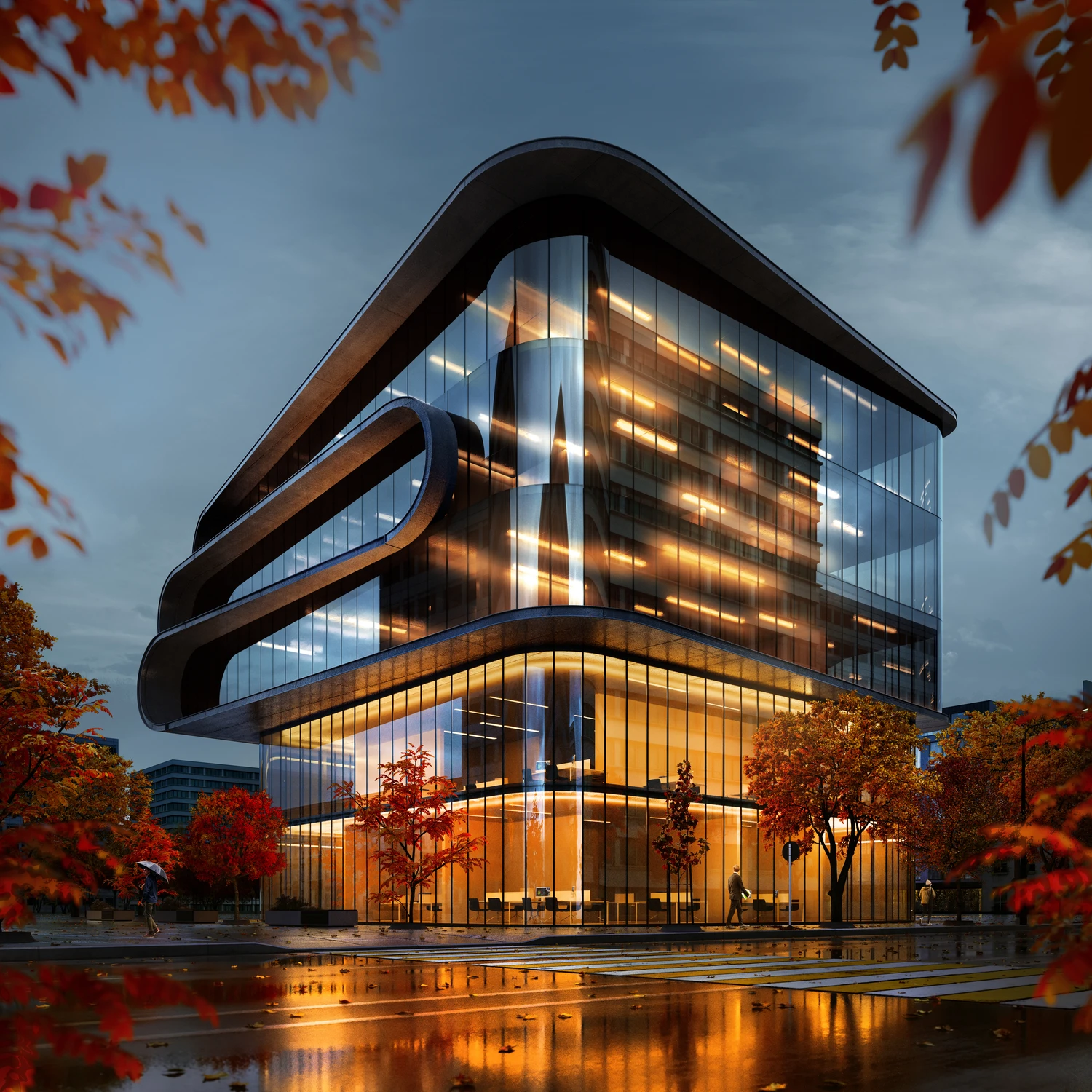
Restaurant 3D visualization is an important tool for projects located in busy urban areas. Hospitality depends strongly on location appeal, visibility, and street presence. With detailed 3D visuals, designers can present how the venue will look from the street level and how it fits into the surrounding environment.
Renderings often show both day and night scenes. Daytime images highlight architecture, materials, and pedestrian access, while evening views focus on lighting, signage, and the atmosphere created by illuminated facades. These visuals also demonstrate outdoor seating areas, terraces, and entrances.
Another key element is the integration with nearby buildings and city infrastructure. This helps planners and stakeholders understand how the commercial space interacts with its surroundings. Such visuals support city planning approvals, strengthen real estate marketing materials, and help attract tenants, investors, and future customers.

7. Multi-Location Restaurant Branding Visualization
Hospitality chains must keep a consistent brand image across all locations. Customers expect the same style, atmosphere, and design whether they visit the restaurant in one city or another country. Restaurant 3D rendering services help companies maintain this consistency during the design and planning process.
Visualizations are often used in franchise presentations. Clear and realistic images help potential partners understand the concept, layout, and interior style before opening a new location. Restaurant interior design rendering also supports standardized interior concepts, ensuring that furniture, materials, lighting, and décor follow the same brand guidelines.
Another advantage is the ability to create scalable dining layouts. Designers can adapt the same concept to buildings of different sizes while maintaining the overall identity. Through these visuals, brands can clearly communicate their global image and maintain a strong, recognizable presence across multiple markets.

8. Sustainability and Eco-Friendly Design
Concerns about the environment are rising. Eco-friendly restaurant designs are becoming more common. This trend reflects the hospitality industry's growing recognition of the importance of sustainability.
Restaurant 3D visualisation can highlight green initiatives. They include energy-saving lighting, eco-friendly materials, and waste reduction. They show potential customers the establishment’s environmental ethos before they enter.
Examples of Eco-Friendly Materials and Innovations in Design Implemented by Interior Designers
Reclaimed wood, bamboo, and recycled metals are stylish and sustainable materials. They add a unique character to dining interiors and support ecological preservation.
Innovative design approaches are also being explored to reduce energy consumption and waste. For instance, adding living plants to dining spaces is a biophilic design practice. It boosts air quality and connects with nature. This resonates with eco-conscious diners.
Adding green design elements to the interior of a cafe or restaurant space can also boost customer satisfaction and loyalty.

How Professional 3D Rendering Studios Support Restaurant Development
A professional 3D restaurant rendering company plays an important role in modern hospitality development. They help designers, developers, and restaurant owners turn ideas into clear and realistic visuals. These images allow teams to understand the concept before construction begins.
Studios provide several services. These include 3D renderings of restaurant interiors and exteriors, architectural animations, and design visualizations for marketing materials. Such visuals are used in presentations, investor meetings, and promotional campaigns.
Experienced studios also ensure design accuracy. Skilled artists carefully represent layouts, materials, and lighting according to architectural plans. Another advantage is fast turnaround, which helps projects move forward without delays. At the same time, professional teams deliver photorealistic quality, creating visuals that look believable and attractive for investors, partners, and future guests.
Leverage Restaurant Rendering Services and Bring Your Vision to Life
PIXREADY is more than a rendering provider. We act as a strategic visualization partner that helps restaurants present ideas clearly and professionally. Our team combines photorealistic quality with strong industry expertise in hospitality design. With a clear workflow, fast turnaround, and transparent communication, we ensure every project moves forward smoothly.
High-quality restaurant render helps businesses gain faster approvals and create stronger marketing visuals before opening. These visuals also support higher conversion rates by helping investors and partners quickly understand the concept.
Our portfolio includes projects across multiple industries, showing consistent quality and reliable results. Many clients return for new collaborations because they trust our process, creative approach, and ability to deliver visuals that support real business growth.
Photorealistic 3D Visualization of Waikiki Hotel Concept
PIXREADY, a professional restaurant rendering company, created photorealistic 3D visualizations for the renovation concept of the Ka La’i Waikiki Beach Hotel in Honolulu, Hawaii. Bryan O’Sullivan Studio, a well-known interior design firm, designed the project. The goal was to present a luxury hotel concept inspired by the beauty of Hawaiian nature and island culture.
Using floor plans, textures, and reference materials, PIXREADY produced detailed CGI images of the lobby, guest suites, and rooftop restaurant. The renderings highlighted elegant interiors, ocean views, and a relaxing island atmosphere.
These visuals clearly communicated the design vision and supported client approval. As a result, the project moved forward with confidence.
Conclusion
Restaurant visualization trends in 2026 combine photorealism, AI assistance, and immersive technologies. These tools help designers explore ideas faster and present concepts more clearly. However, professional restaurant render services remain essential for accurate and high-quality visuals.
Experienced studios ensure realistic lighting, materials, and atmosphere that reflect the real design. Strong hospitality visualizations support planning, marketing campaigns, and investor presentations, helping businesses communicate their vision and attract partners with confidence.
Get 3d expert on your side
More than a 3D rendering vendor, PIXREADY acts as a strategic CGI partner helping brands
сreate scalable visual content for marketing, sales, and product launches. Let's explore your
project and discuss how CGI can support your business goals!

Sophia Andrusyshyna is a Business Development Team Lead at PIXREADY, a 3D visualization company. She helps clients transform their ideas into impactful 3D assets by guiding them through every stage of the collaboration. With strong expertise in understanding architectural and interior design needs, she ensures that each PIXREADY project runs smoothly and delivers measurable value. Her focus is on building lasting partnerships and helping clients make the most of cutting-edge visualization solutions.
FAQ
What is restaurant rendering?
Restaurant rendering is the process of creating photorealistic 3D visuals of dining spaces. They show layout, lighting, materials, and atmosphere, sometimes even before construction begins. Renderings complement technical drawings with realistic images that designers, owners, and operators can review and understand.
How can photorealistic renders help restaurants before opening?
Photorealistic renders let restaurants create promotional materials, social media visuals, and investor presentations long before the physical space exists. This gives a hospitality business a head start in marketing, helping attract future customers and generate anticipation ahead of opening day.
Can restaurant rendering show different lighting and atmosphere?
Advanced lighting simulations can show natural daylight, evening ambiance, and decorative lighting like candles or neon signs. Different lighting moods can represent breakfast service, daytime dining, elegant dinners, or a vibrant nightlife atmosphere.
Can 3D rendering help restaurant chains maintain brand consistency?
Restaurant 3D rendering services help hospitality chains maintain consistent branding across locations. For that, the visuals keep the interior concepts, furniture, materials, lighting, and décor standardized.
Can restaurant rendering be used for marketing before construction?
Yes. Restaurant renderings let hospitality businesses create promotional materials, social media visuals, and full marketing campaigns long before a physical space exists. This gives restaurants a head start on building customer awareness and generating interest while construction is still underway.
What is interactive or 360° restaurant visualization?
Interactive and 360° restaurant visualization lets viewers navigate a rendered space in real time rather than viewing static images alone. This format also supports virtual dining events and themed experiences, such as virtual cooking classes or wine tastings.
Can restaurant rendering show how a building will look in its surroundings?
Yes. 3D visualization for restaurants places a venue within its urban surroundings, showing nearby buildings, signage, and pedestrian access. This helps stakeholders evaluate street presence and overall visibility.
How can restaurant rendering services improve restaurant development?
Professional restaurant rendering studios deliver design accuracy, fast turnaround times, and photorealistic quality, helping investors, partners, and developers clearly understand a concept before construction starts. Skilled artists carefully represent layouts, materials, and lighting in accordance with architectural plans, delivering consistent, reliable results.
How much does 3D rendering of a restaurant cost?
Pricing for restaurant CGI visuals depends on project scope, the number of scenes required, and the level of detail needed for each space and lighting setup. Contact PIXREADY directly for a tailored quote based on specific restaurant rendering needs and project timeline.