Photorealistic Interior Rendering: Elevating Real Estate Marketing Campaigns
Discover how to create effective realistic interior rendering for successful real estate marketing campaigns.
Marketing interiors today is more challenging than ever. Buyers expect realism, emotion, and clarity before making decisions. This is where photorealistic interior renderings become essential. Traditional visuals often fail to show how a space truly feels.
In this article, we explain how advanced interior visualization solves this problem. It helps brands sell faster, present better, and reduce risks across design and marketing workflows.
What Is Photorealistic Interior Rendering?
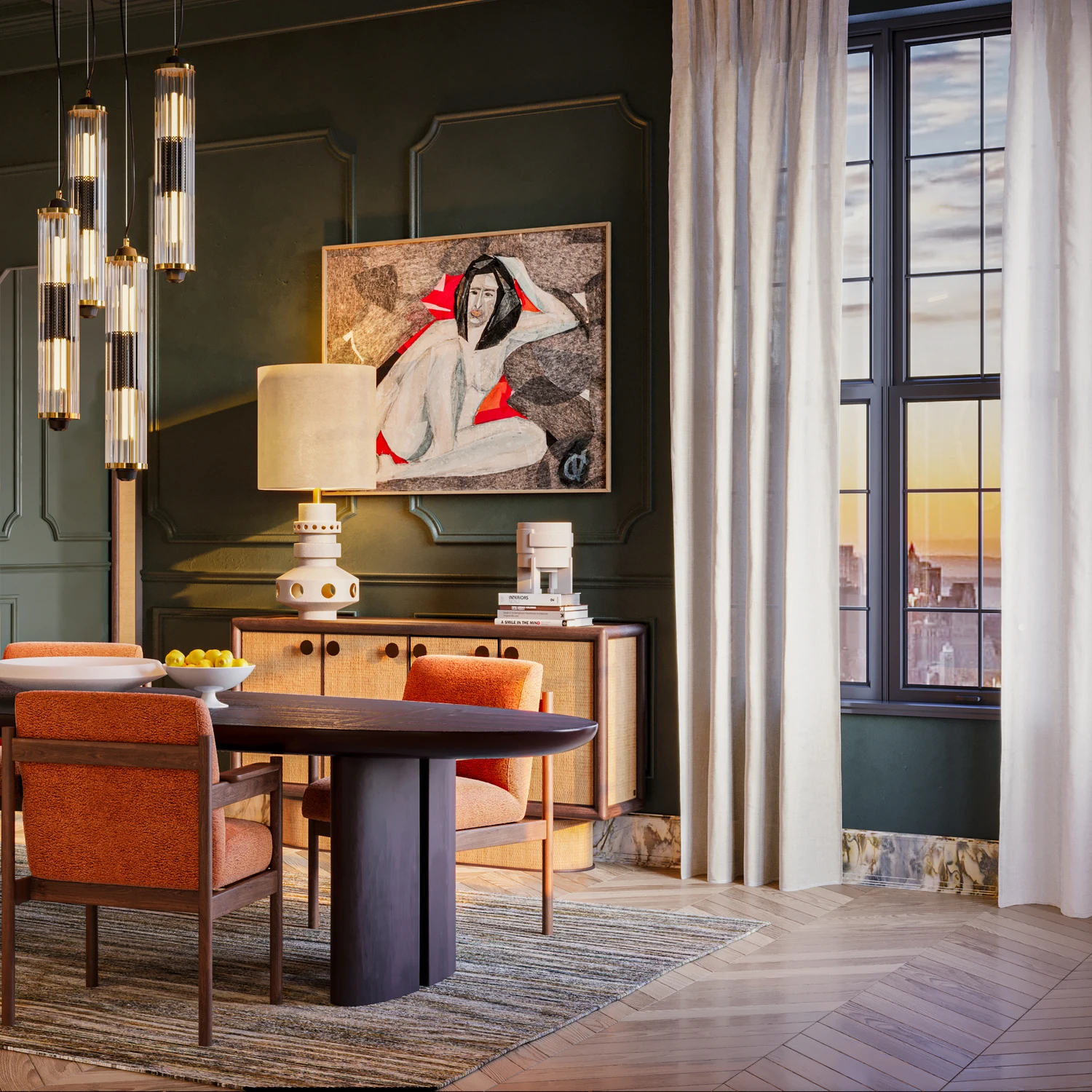
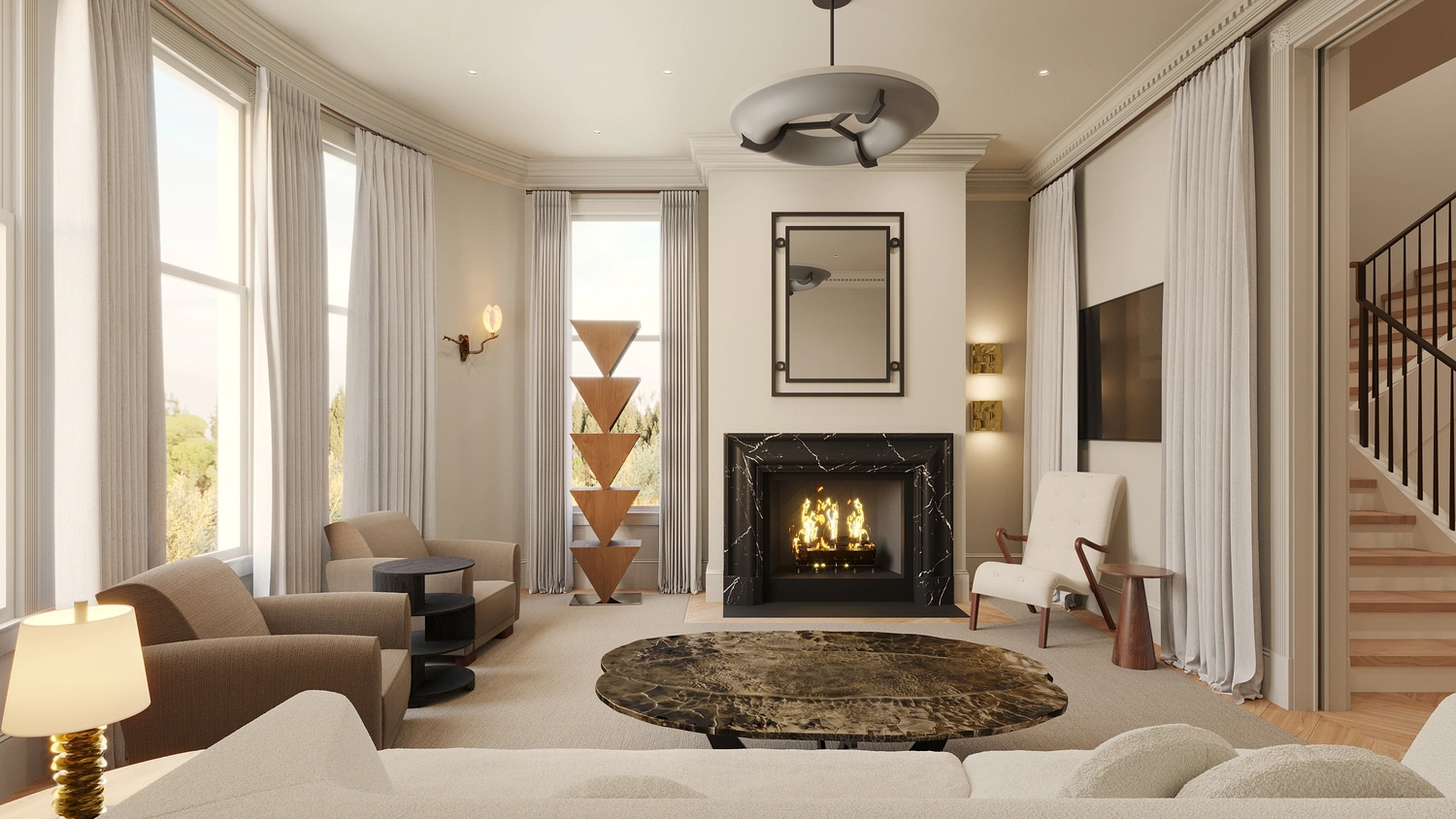
Realistic interior rendering is the creation of digital images of interior spaces. These images closely match real-life photography. Unlike basic 3D visuals, photorealistic renders focus on realistic lighting and accurate materials. They also include fine details that make spaces look real.
Standard 3D rendering often shows layout and structure but lacks depth and realism. A realistic render goes further by simulating how light behaves, how materials reflect, and how objects interact in real space. This makes the result suitable for marketing, not just design review.
Thanks to modern technology, designers can create stunning, ultra-realistic visuals. Designers, architects, developers, and marketing teams use realistic interior rendering services. They use them to present projects clearly before construction. These visuals help communicate ideas.
Why Photorealism Matters in Interior Visualization
Realism strongly affects how people perceive spaces. When visuals look believable, viewers trust them more and make decisions faster.
Accurate material and texture representation
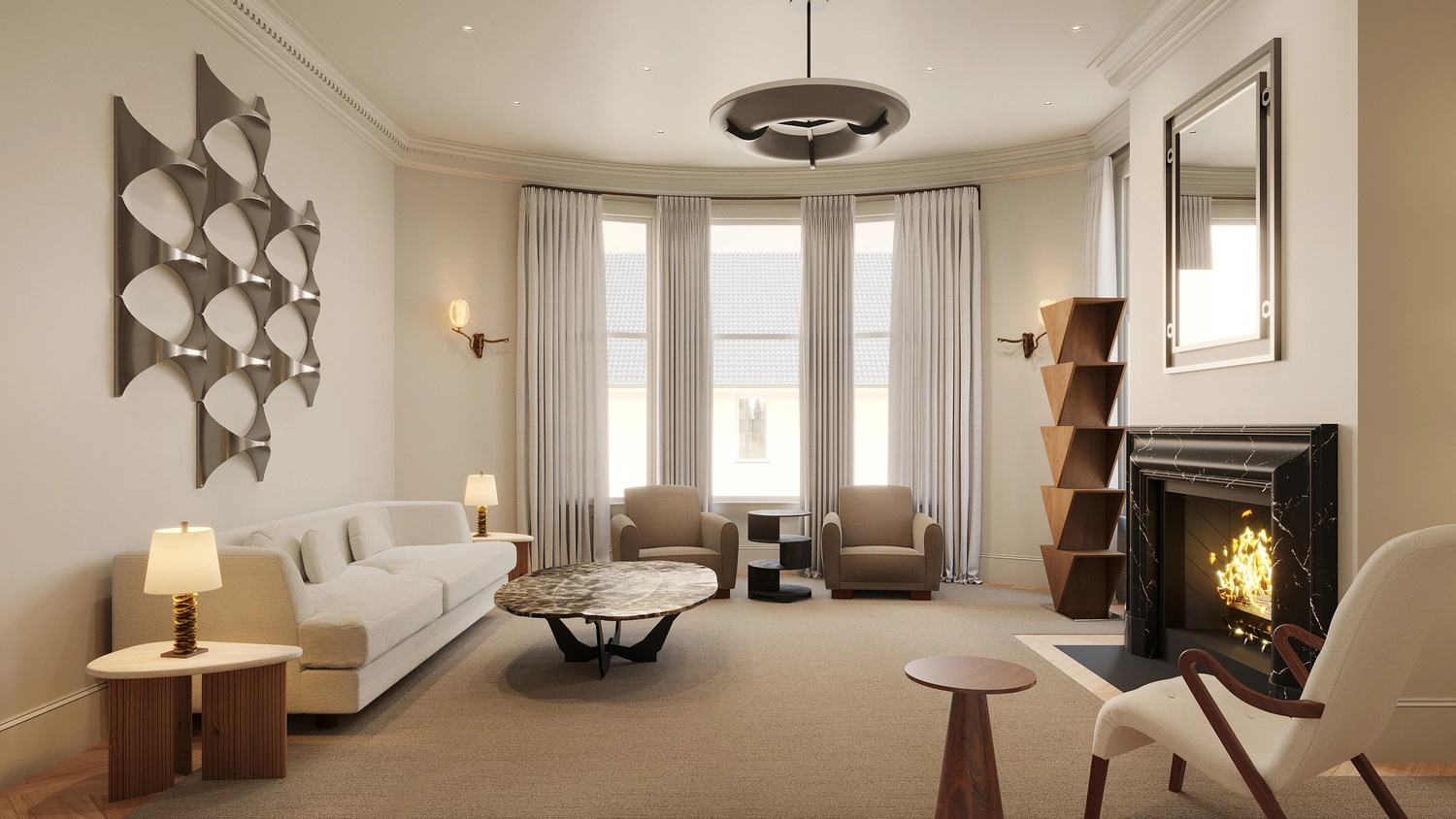
A realistic interior render accurately shows wood grain, fabric softness, and surface reflections.
True-to-life lighting and shadows
Lighting is key in interior renderings. Natural daylight, artificial lamps, and soft shadows create depth and mood. This helps viewers understand how a space feels throughout the day.
Realistic furniture and décor styling
Carefully styled furniture and décor make a photorealistic interior render feel lived-in. This adds emotional value and helps buyers imagine themselves in the space.
Emotional impact on viewers
High realism creates emotion. A warm living room or elegant hotel lobby can inspire trust and desire.
Better decision-making before construction
When visuals are clear, mistakes are caught early. This saves time, money, and stress.
In summary, realistic 3D visuals build trust, create emotion, and support confident decisions. By showing spaces clearly before construction, they help reduce risks and improve overall project success.
.webp)
Industries That Use Photorealistic Interior Rendering Services
Realistic 3D models deliver substantial business value across many industries. These visuals help companies improve sales, speed up approvals, and build a clear brand image. Below are the key industries that rely on photorealistic visualization and the results they achieve.
- Residential real estate
Developers and real estate agents use interior realistic rendering to market apartments and houses before they are built. Clear visuals help buyers understand layouts, finishes, and atmosphere. This leads to faster sales, fewer questions, and higher buyer confidence. Renderings also reduce the need for physical staging. - Commercial property
Office buildings, mixed-use spaces, and business centers use interior renders to attract tenants and investors. These visuals show how spaces can be used and customized. This helps decision-makers approve projects faster and supports stronger leasing presentations. - Hospitality (hotels, resorts, restaurants)
Hospitality brands rely on emotion and experience. Realistic 3D rendering interior design shows comfort, mood, and style before guests arrive. 3D restaurant renderings improve bookings, support marketing campaigns, and help brands stand out in a competitive market. - Retail spaces
Retail brands use interior visualization to present store concepts and layouts. Renderings help test designs, align branding, and plan customer flow. This leads to better brand consistency and stronger in-store experiences. - Office and corporate interiors
Companies use photorealistic 3D models to design productive, modern workspaces. Clear visuals help management approve designs and support employee engagement. This reduces redesign costs and speeds up implementation. - Interior design studios
Designers use natural-looking interior rendering to present ideas clearly to clients. Realistic visuals build trust, reduce revisions, and help designers win more projects.
In summary, photorealistic interior renderings support better decisions, stronger branding, and higher efficiency across industries.

Key Elements That Make a Render Look Photorealistic
Photorealism in rendering is not created by one single feature. It comes from many small technical and artistic elements working together. When these details are handled correctly, the final image feels natural, believable, and easy to trust.
- Lighting (Natural and Artificial)
Lighting is the foundation of photorealistic interior renders. Natural light from windows should look soft and realistic, showing how daylight fills the room. Artificial lighting adds warmth and highlights key areas. Correct brightness, direction, and contrast help create depth and mood. - Physically Accurate Materials
Materials must behave as they do in real life. Wood needs visible grain, fabric should feel soft, and stone or metal must reflect light correctly. When materials look right, viewers believe the space and better understand its quality. - Reflections, Refractions, and Shadows
In a realistic interior render, reflections in mirrors, glass, and glossy surfaces add depth and authenticity. Refraction in glass objects helps light bend naturally. Shadows should be soft and consistent, helping objects feel grounded rather than floating. - Camera Angles and Composition
The camera view strongly affects how a space is perceived. Wide angles show the layout and openness, while balanced framing creates a sense of comfort. Good composition guides the eye and makes the room feel well-designed. - Micro-Details
Small details bring scenes to life. Slight imperfections, fabric folds, subtle dust, or uneven edges prevent the image from looking too perfect. These elements make the space feel lived-in and real. - Post-Production and Color Grading
Final adjustments help balance colors and light. Color grading improves mood while maintaining the image’s realism. Post-production should enhance clarity without making the scene look artificial.
Together, these elements turn a simple visual into realistic interior renderings that feel convincing, emotional, and professional.
Realistic Interior Rendering Benefits for Real Estate and Marketing Teams
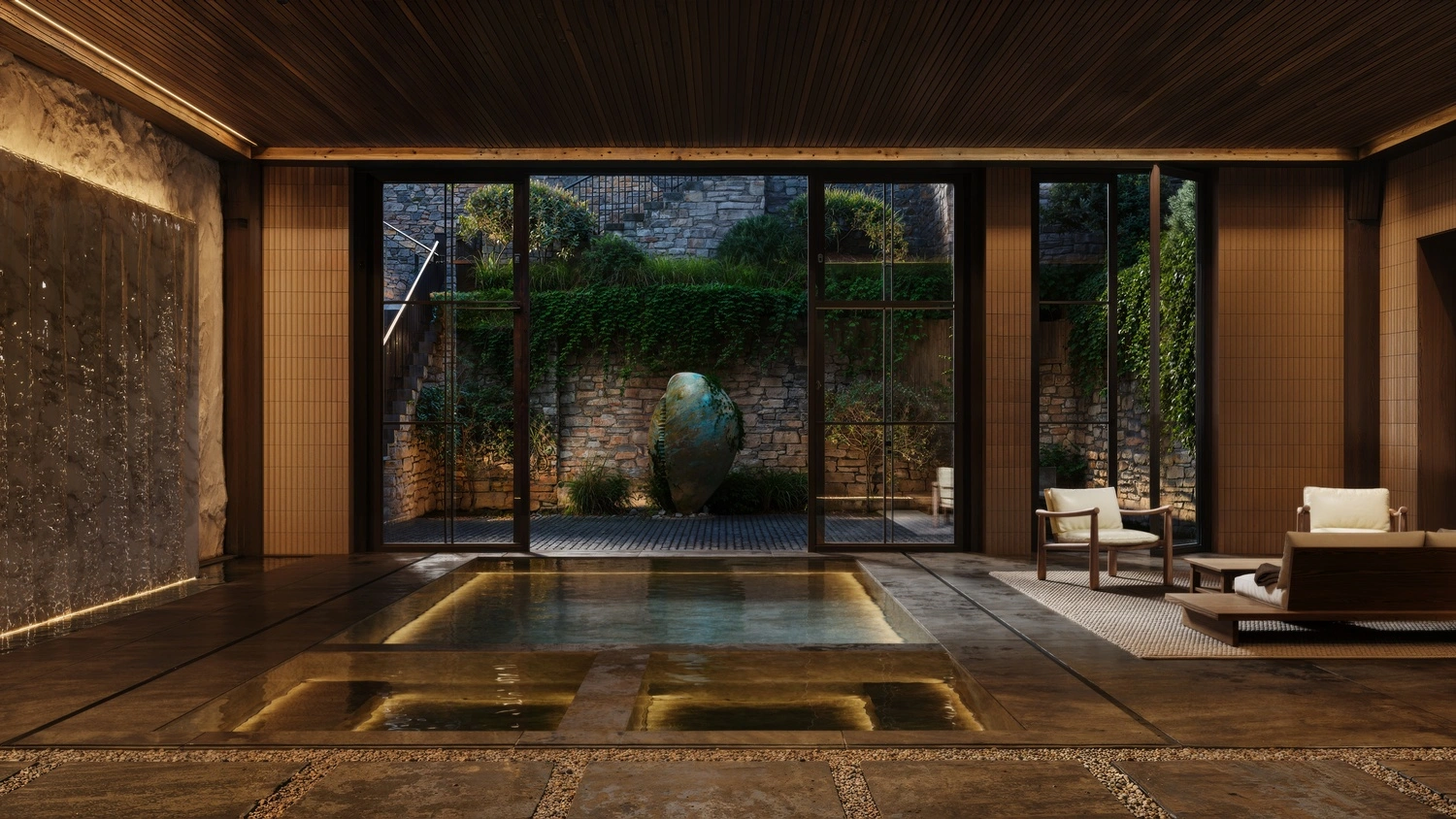
Realistic interior rendering services bring clear advantages to real estate and marketing teams. It improves workflows, reduces risks, and gives teams more creative freedom when presenting properties.
- Sell properties before completion
Rendering allows marketing to start early, even before construction is finished. Buyers can see the final look of a property in advance, which helps generate interest and secure sales faster. - Stronger emotional engagement
High-quality visuals create atmosphere and mood. When buyers connect emotionally with a space, they are more likely to trust the project and imagine themselves living or working there. - Higher conversion in listings
Listings with realistic interior renders attract more attention online. Clear, appealing visuals increase clicks, inquiries, and viewing requests, thereby boosting conversion rates. - Better investor presentations
Renderings help investors understand a project’s full potential. Clear visuals support confident decisions and reduce the need for lengthy explanations or technical drawings. - Premium brand perception
Consistent, high-quality visuals strengthen brand image. Rendering helps companies present themselves as professional, modern, and trustworthy, which is key in competitive markets.
Overall, 3D photorealistic interior rendering improves efficiency, creativity, and presentation quality across real estate marketing.
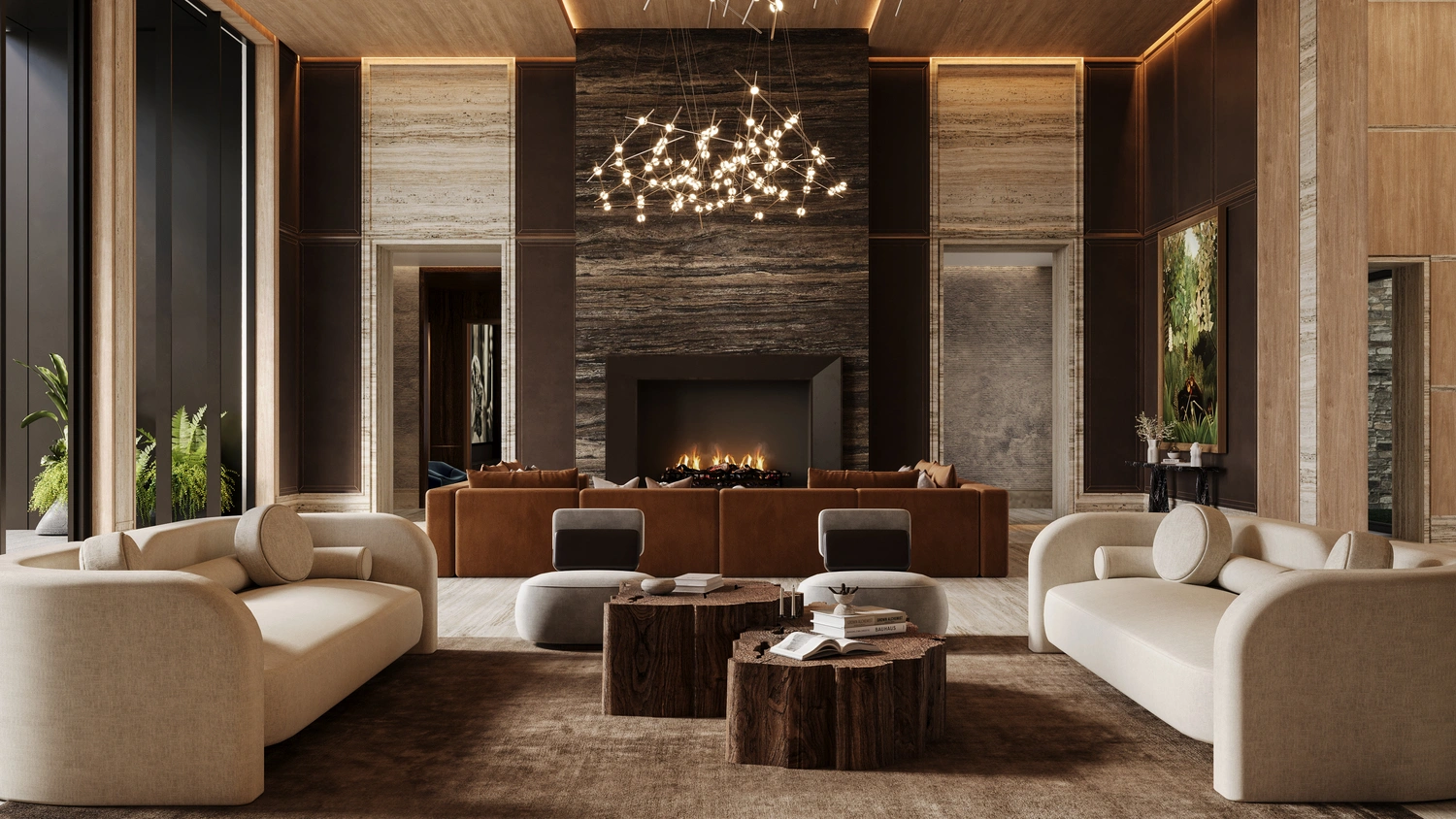
Photorealistic vs Standard Interior Rendering
When choosing interior visuals for marketing, it is essential to understand how different rendering styles affect results and follow strong photorealistic interior rendering tips. Standard interior renderings are often used for basic design reviews, while photorealistic renderings are designed to attract buyers, build trust, and support sales.
Lighting
- Standard Rendering: Uses basic lighting to show layout. Shadows and light often look flat.
- Photorealistic Rendering: Uses physically accurate lighting. Daylight and artificial light create realistic depth and mood.
Materials
- Standard Rendering: Materials are simplified and lack texture detail.
- Photorealistic Rendering: Materials are true-to-life. Wood, fabric, glass, and metal look realistic.
Emotional Impact
- Standard Rendering: Creates a moderate response and explains the space.
- Photorealistic Rendering: Creates strong emotion and helps viewers imagine themselves in the space.
Marketing Use
- Standard Rendering: Limited to internal reviews and early planning.
- Photorealistic Rendering: Powerful for websites, listings, ads, and presentations.
Detail Level
- Standard Rendering: Medium detail for structure understanding.
- Photorealistic Rendering: Extremely great detail that supports premium branding and confident decisions.
Overall, photorealistic rendering delivers a greater marketing impact through realism, emotion, and trust, especially when advanced photorealistic interior rendering techniques are applied effectively.

For presentations and sales, photorealistic 3D rendering delivers stronger results.
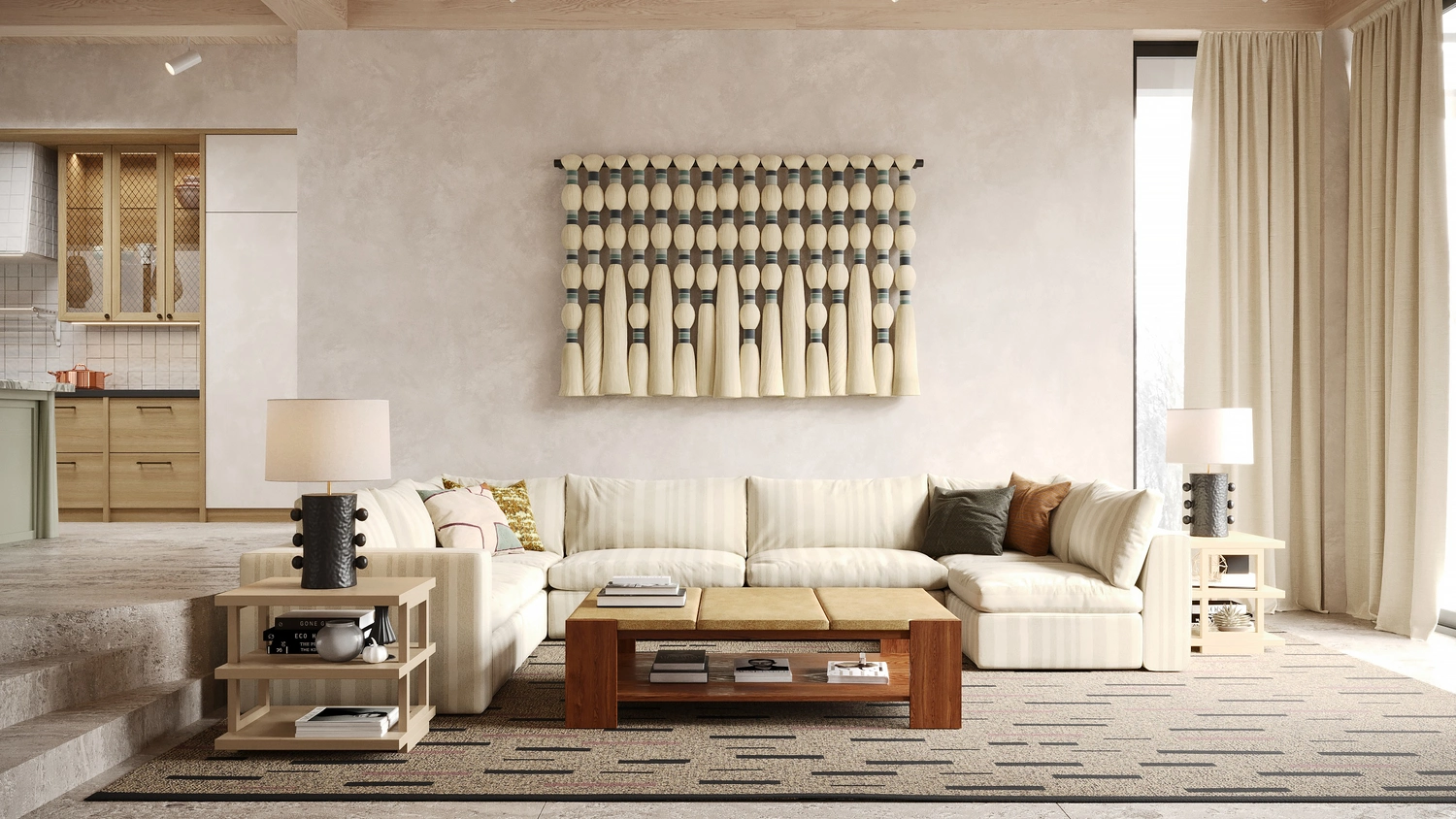
Why Choose PIXREADY for Realistic Interior Rendering
PIXREADY is a trusted partner for photorealistic interior rendering services focused on business results. Choosing the right visualization partner is essential for strong marketing and clear project communication. As a recognized and award-winning partner, PIXREADY offers reliable solutions for high-quality interior rendering.
- Proven expertise in realistic interior visualization. PIXREADY has extensive experience creating detailed, realistic interiors. Every project focuses on accurate lighting, materials, and composition to achieve believable results. The team specializes in 3D photorealistic interior rendering across residential, commercial, and hospitality projects.
- Fast turnaround and scalable production. PIXREADY delivers projects on time without sacrificing quality. Whether it is a single room or a significant development, the team can scale production to meet deadlines.
- Diverse portfolio across industries. The portfolio includes living rooms, commercial spaces, hotels, and hospitality projects. This diversity shows flexibility and understanding of different design goals.
- Customizable visual solutions. Clients can choose static renders, animations, or 360° tours. This flexibility supports marketing, sales, and presentations.
- Global market expertise. Different regions respond to different visual styles and presentation approaches. PIXREADY creates visualization content adapted to the expectations of North American and European markets, helping brands compete effectively in cities such as Toronto, New York, London, and beyond through high-end 3D visualization Toronto, 3D rendering NYC, etc.
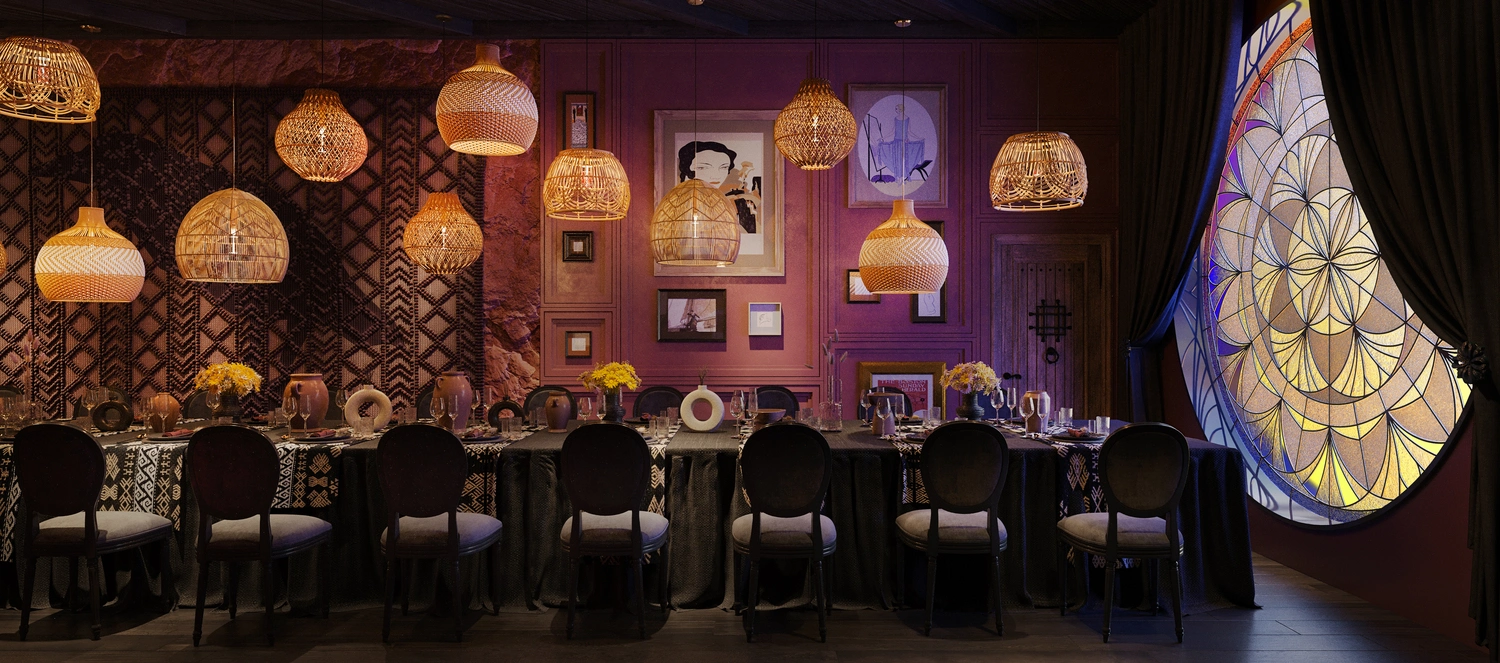
PIXREADY created photorealistic renders for a 200-year-old tequila brand in Mexico. The project visualized a private dinner at the brand’s museum, where history, fine dining, and design come together. The space was designed for 34 guests and reflects traditional Mexican style with modern accents. Natural materials, warm tones, and dynamic lighting build a rich atmosphere. The visuals highlight stone, wood, and handcrafted details while supporting the brand’s story.
These renders helped present the concept clearly to partners and stakeholders. The images became a key tool in communicating heritage, quality, and refined taste.
Conclusion
Realistic interior rendering has become a powerful tool for modern marketing. It improves trust, speeds up decisions, and reduces costly risks. From early design to final sales, realistic renderings help brands stand out and connect with buyers.
If you want visuals that truly sell the feeling of space, it is time to include photorealistic 3D visuals in your strategy. Contact PIXREADY and elevate your next project today.
Get 3d expert on your side
More than a 3D rendering vendor, PIXREADY acts as a strategic CGI partner helping brands
сreate scalable visual content for marketing, sales, and product launches. Let's explore your
project and discuss how CGI can support your business goals!
.png)
Founded by a group of technology, architecture, and design professionals in 2018, PIXREADY is one of the challengers empowering the 3D visualization industry and making its products and services more affordable.We are determined to assist businesses around the world to create photorealistic images of their products and ideas and enrich the experience of their clients. We focus on the details, with the highest precision in every pixel.

-2.webp)