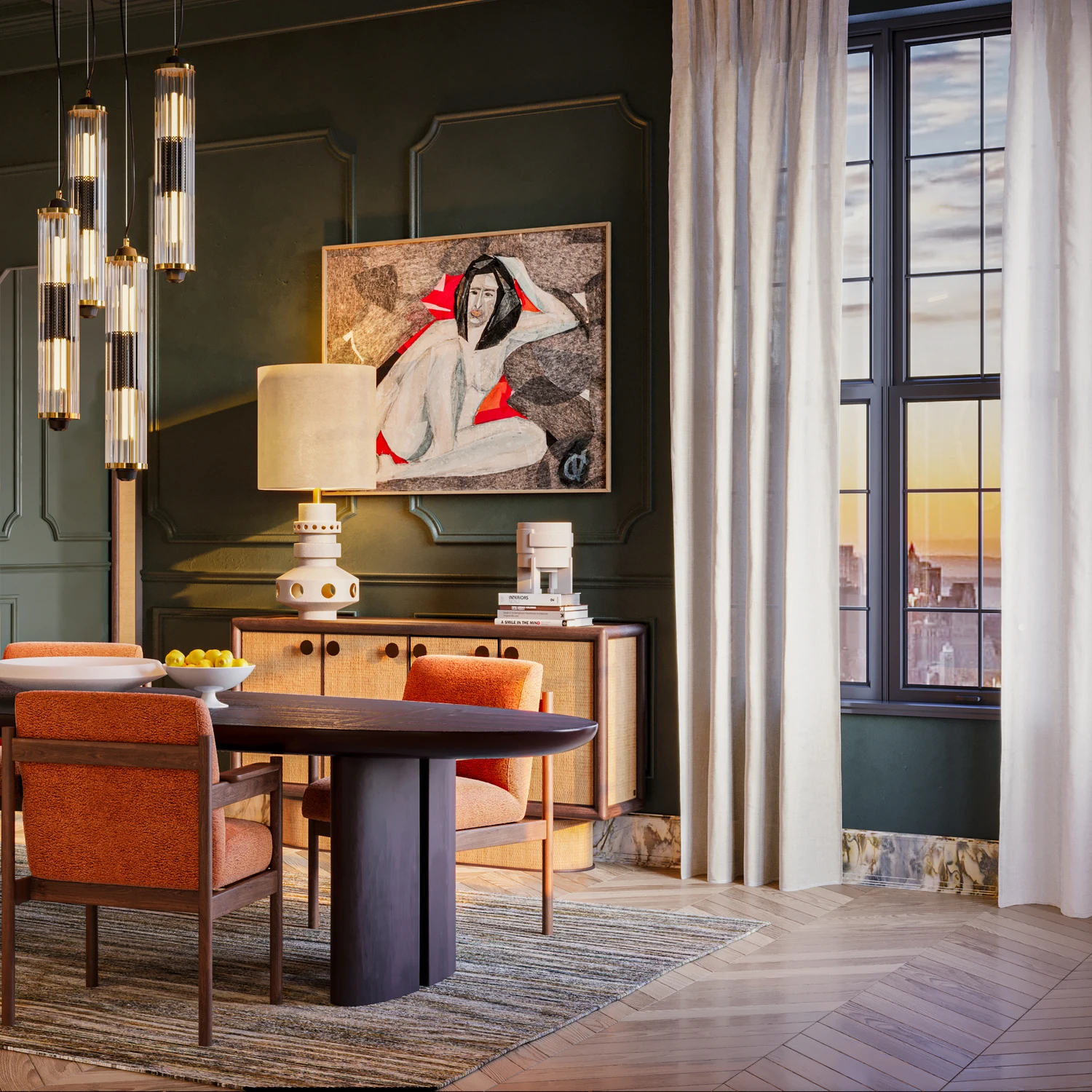
3D Interior Design Animation: How Motion Transforms Your Visuals
Discover how to use the strengths of 3D interior design animation to transform your visuals.

This article examines how interior design animation addresses common communication challenges. If you struggle to explain layouts, atmosphere, or functionality, animation offers a clear and immersive solution. It speeds up decisions and improves marketing results.
Clients expect more from modern visualization technologies than just static images. They demand greater realism, depth, and clarity. Therefore, motion is the perfect way to deliver and convey this.
What Is Interior 3D Animation?
An animation interior design is a short 3D video that shows an interior space through a moving camera. Unlike static renders, which capture a single moment, animation reveals how a room feels as you walk through it. Motion makes layouts, lighting, and materials easier to understand. As design presentations become more interactive, an increasing number of studios, developers, and brands rely on 3D animations.
Interior design 3D animation transforms spaces through the manipulation of movement, light, and mood. As clients expect richer and more immersive presentations, animated visuals help them feel the space before it exists. This growing demand makes animation a powerful tool for architects and interior designers to inspire, impress, and communicate ideas clearly.
Benefits of 3D Interior Design Animation
3D design animation is changing how design ideas are shared and understood. Instead of guessing how a space might feel, clients can now experience it in motion before it is built.
Realistic spatial understanding. One of the most significant benefits of 3D animation is its application in interior design. Animated visuals help viewers clearly see room proportions, ceiling heights, and distances between objects. As the camera moves through the space, it becomes easier to understand how furniture fits and how open or compact a room feels. This clarity reduces misunderstandings and helps avoid design changes later.
Emotional storytelling through motion. Another strong advantage. Movement creates mood and atmosphere in a way that static images cannot. With 3D interior animation, designers can effectively highlight features such as warm lighting, soft shadows, luxury materials, or a calm and flowing layout. These emotional details help clients imagine themselves inside the space and build confidence in the design choice.
Shows transitions between rooms. Animation also shows smooth transitions between rooms. A single image only shows one angle, but animation design reveals how spaces connect. Viewers can see how a living room leads into a kitchen or how a hallway flows into a bedroom. This makes layouts easier to understand and evaluate.
Demonstrates functionality of household devices and appliances. Functionality is another key benefit. With interior 3D animation, designers can show drawers opening, lights turning on, or appliances in use. This helps clients understand how the space works in real-life situations, reducing the number of questions.
Speeds up decisions and approvals. Ultimately, animation accelerates decision-making and enhances marketing. Clients approve designs more quickly, and developers utilize 3D design animation to attract buyers before construction begins.
Improves marketing and lead generation. Overall, 3D animation interior design improves communication, saves time, and creates stronger emotional connections. It is a powerful tool for design, presentation, and marketing. Developers and marketers use animation interiors to promote properties before construction begins. Videos attract more viewers, increase engagement, and boost conversion rates.
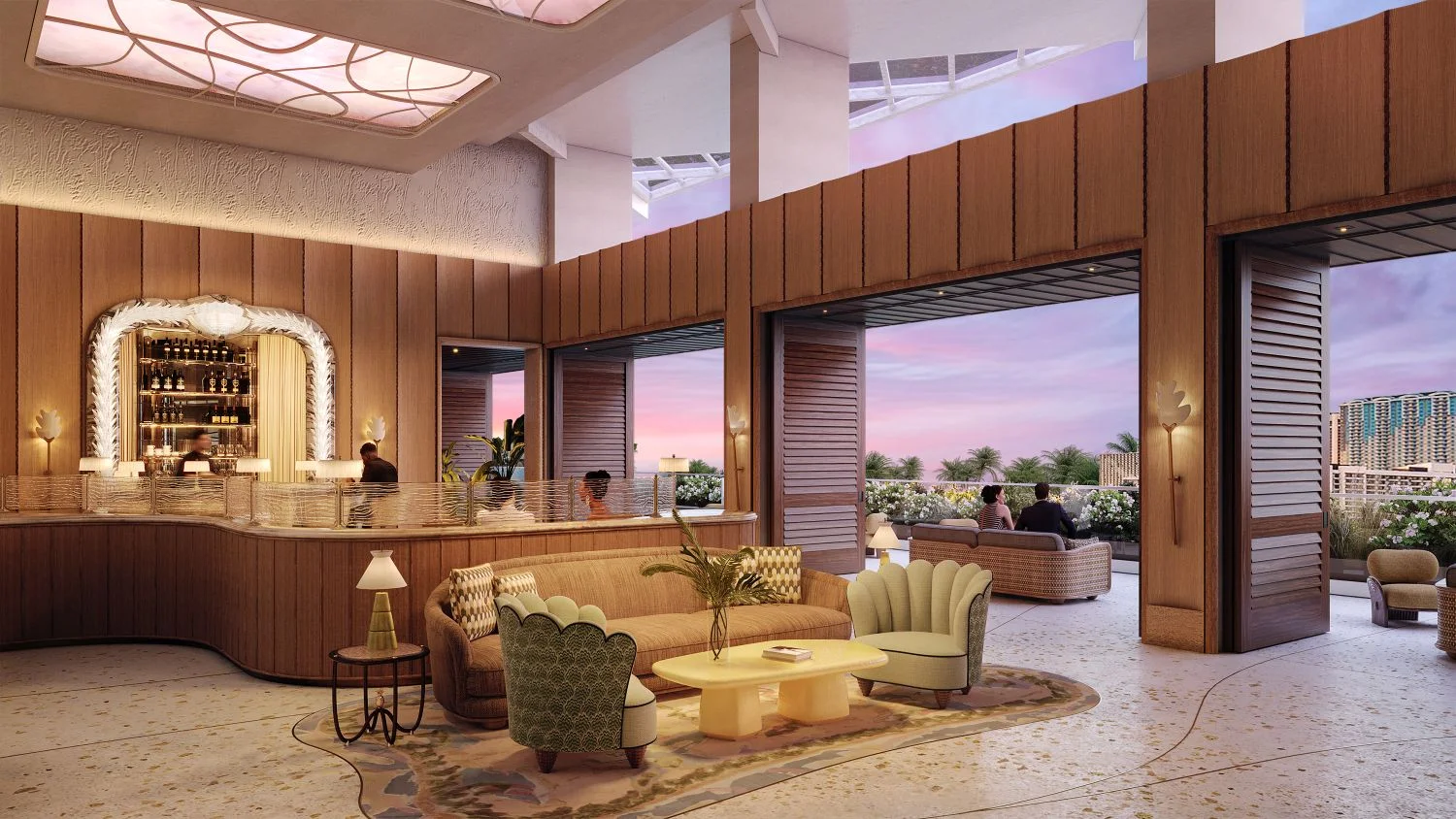
Types of 3D Interior Animation
- Walkthrough animations
The camera moves at eye level, simulating a natural walk through the interior. This format helps viewers understand layout, scale, and flow, and is commonly used for residential projects, such as apartments, homes, and hospitality establishments. - Flythrough animations
The camera moves freely through walls, ceilings, or floors. This type is ideal for showing large spaces, open layouts, and complex interior structures. - Cinematic interior videos
These animations focus on mood and storytelling, such as PIXREADY’s complete guide to visualizing townhouses for interior designers, which also shows the history and lifestyle of living in these homes. - 360° / VR-ready animations
Interactive animations that allow users to explore the interior from any angle at their own pace, creating an immersive viewing experience.
Use Cases for Interior Design Animation
Interior animation is utilized in numerous real-world scenarios where clear communication and a substantial visual impact are crucial. By showing spaces in motion, animation helps people understand design ideas more quickly and with greater confidence. Below are typical use cases that explain when and why interior design animation is most effective. You can learn more about this with the best 3D rendering software for interior design.
Apartments and private homes
Animation and interior design are often used when homeowners or buyers need to visualize a space before construction or renovation begins. It shows how rooms connect, how furniture fits, and how lighting changes throughout the day. This is especially helpful for custom homes, where personal comfort and layout preferences take precedence.
Offices and coworking spaces
For offices, animation helps companies plan work zones, meeting rooms, and shared areas. It is used when decision-makers need to see how people will move and work in the space. 3D animation for interior design shows workflow, openness, and flexibility, making it easier to approve designs and avoid costly layout mistakes.
Hotels and hospitality interiors
Hotels use design animation to present guest rooms, lobbies, restaurants, and wellness areas before they are built or renovated. Animation is used to communicate atmosphere, brand style, and comfort. It helps investors and managers understand how the space will feel for guests, which supports faster approvals and stronger marketing.
Retail stores and showrooms
Retail brands use animation when planning store layouts and product placement. Interior design animation shows customer flow, shelf visibility, and display zones. This helps brands test ideas before building and create engaging marketing content that attracts shoppers and partners.
Real estate presales
In presales, architectural 3D animation service is used when properties are still under construction. Developers rely on design animation to show future apartments, amenities, and lifestyles. These visuals help buyers feel confident, increase interest, and support faster sales.
Overall, animation interior design is used whenever clarity, emotion, and trust are needed to move projects forward.
Interior 3D Animation vs. Static Renders
3D animation and static renders are all popular tools for presenting interior spaces, but they serve different purposes. Understanding their differences helps designers, developers, and marketers select the most suitable solution for each project.
The first significant difference is perspective. Static renders show a single, carefully chosen angle of a space. They are great for highlighting details such as materials, furniture, or lighting in a single frame. In contrast, 3D animation interior uses a moving camera that travels through the interior. This allows viewers to see the space from multiple angles and understand how rooms connect.
User experience is another key difference. Static images are still, requiring the viewer to imagine how the space feels. Animation, however, creates an immersive experience. As the camera moves, viewers feel like they are walking through the interior, which makes the design easier to understand and remember.
The purpose of each format also differs. Static renders are mainly used for design presentation and approval. They help clients review specific details and make small decisions. Interior design 3D animation, on the other hand, is often utilized for storytelling and marketing purposes. It shows lifestyle, mood, and flow, helping audiences emotionally connect with the space.
From a business perspective, animation enhances communication, accelerates decision-making, and boosts engagement. When you need to explain layouts, create emotional impact, or market a project effectively, animation is the better choice. To understand this, it's also very helpful to familiarize yourself with the best AI animation software.
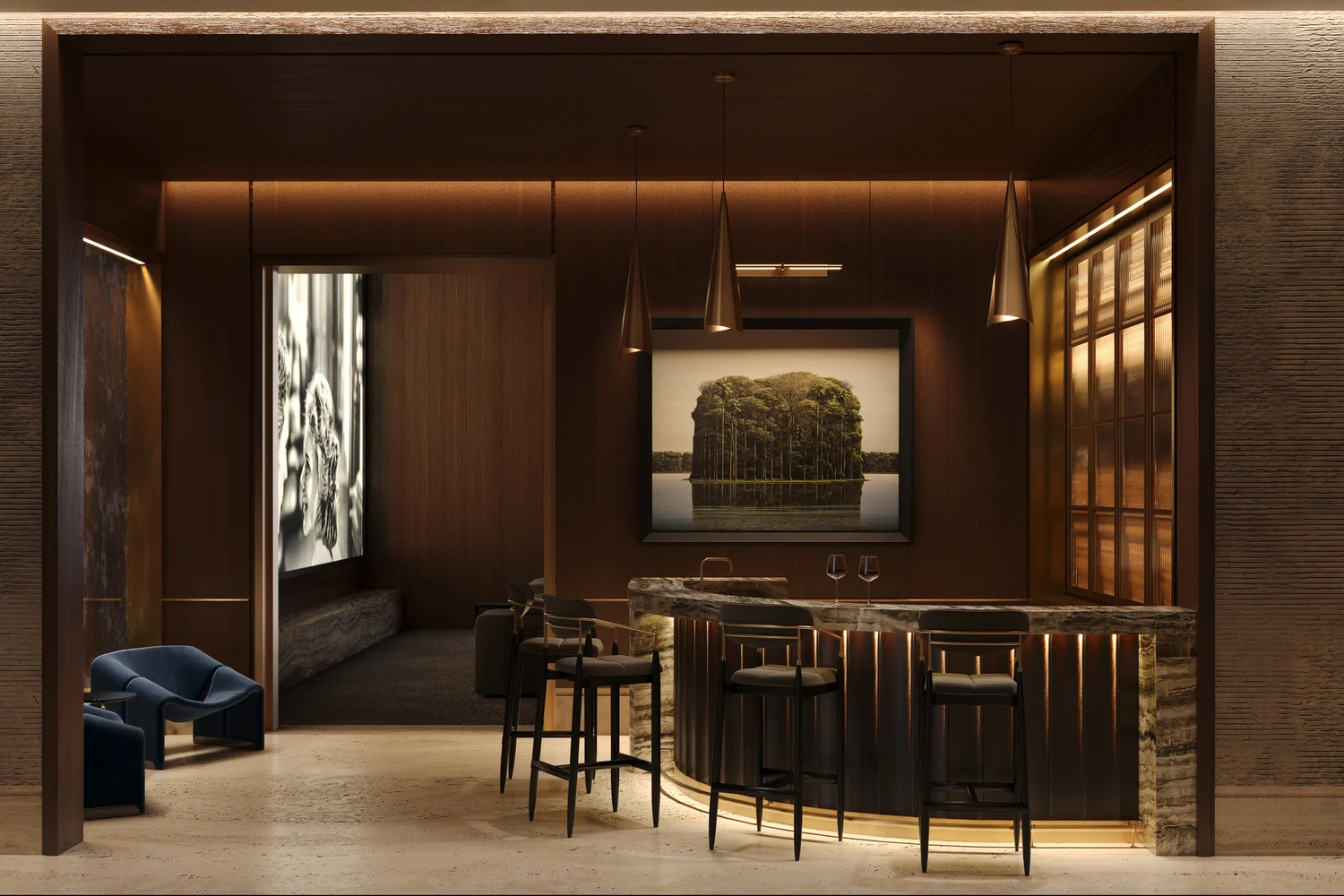
Key Elements of a High-Quality Interior Animation
- Realistic lighting
Lighting is one of the most essential elements. Natural light should feel soft and balanced, while artificial lighting should create the right mood. Good lighting shows depth, highlights textures, and makes rooms feel warm and welcoming. - Natural reflections
Reflections also play a significant role. Subtle reflections on floors, glass, and metal surfaces help materials appear more believable rather than flat. - Convincing materials
Materials are another key factor. Wood should feel warm, fabric should look soft, and stone should appear solid and natural. When materials react correctly to light, the entire space feels more realistic. Motion is just as important. - Smooth motion
Smooth and steady camera movement makes the viewer feel comfortable, like they are walking through the room at a natural pace. - Thoughtful sound design
Sound design adds an extra layer of realism. Soft background sounds, gentle music, or simple room ambiance help set the mood and make the experience more immersive. Gentle background sounds or music add atmosphere and make the animation more immersive without distracting from the visuals. - Strong visual impact
All elements work together to create a clean, emotional, and realistic experience that is easy to understand and remember. Together, these elements create a substantial visual impact. A well-made 3D interior design animation does not overwhelm the viewer. Instead, it feels natural, emotional, and easy to understand, leaving a lasting impression.
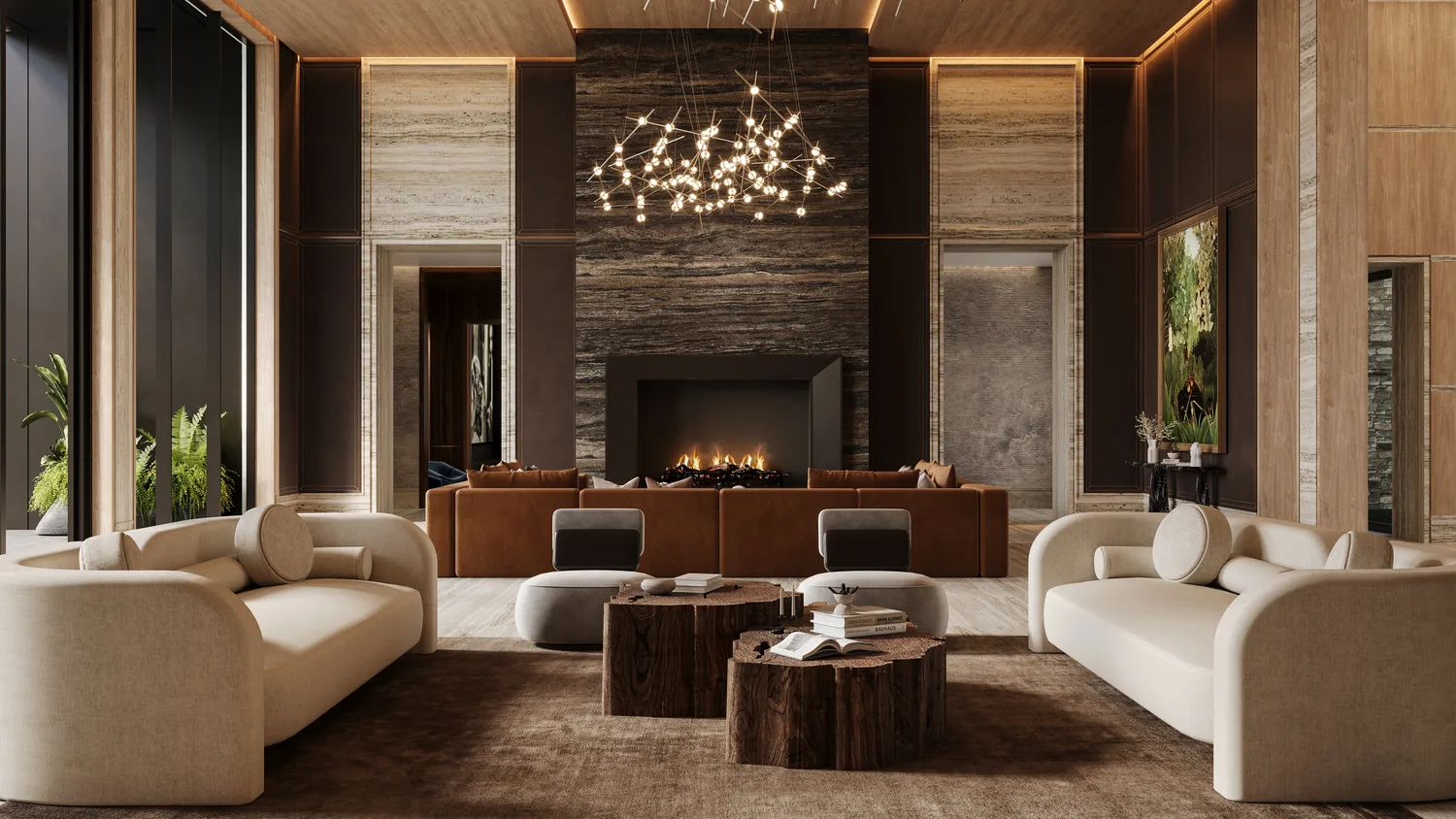
Why Choose PIXREADY for 3D Interior Animation
PIXREADY is a trusted partner for brands and professionals who want high-quality and reliable 3D interior animation services. The team focuses on clear communication, strong visuals, and results that support real business goals.
- Proven expertise in creating photorealistic interior animations that feel natural and convincing, and 3D interior rendering services.
- Fast turnaround and scalable production, making it easy to handle both small projects and significant developments.
- Experience across industries, including interior design, real estate, retail, and commercial spaces.
- Customizable options, from static renders and animated videos to immersive 360° virtual tours.
With PIXREADY, clients receive visuals that impress, clearly communicate ideas, and help projects move forward more efficiently.
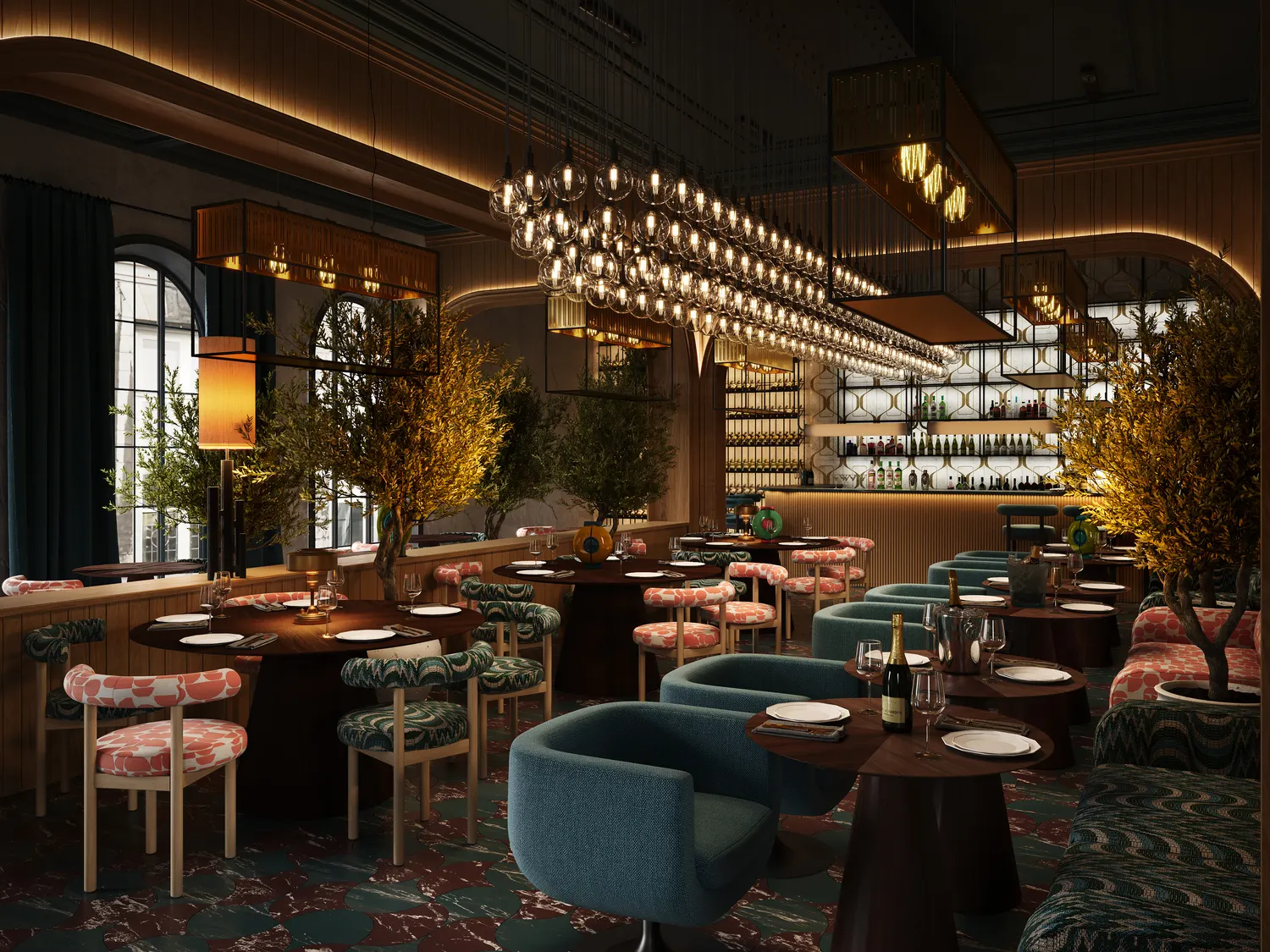
Hospitality in motion project showcases how furniture design connects with space through high-quality 3D interior animation by PIXREADY. A Dutch furniture brand wanted to present its new collection in a realistic hospitality setting.
PIXREADY created a detailed 3D animation set in a luxurious restaurant interior. Each element, from coffee tables and armchairs to lighting and décor, was carefully modeled and animated. The video demonstrates how the furniture seamlessly integrates into restaurant and hotel spaces. This visual story helps customers imagine their own interiors with the collection. As a result, the brand improved decision-making, strengthened its presentation, and increased interest from hospitality partners.
Conclusion
Interior design 3D animation enables businesses to present their spaces clearly, emotionally, and with confidence. It enhances communication, accelerates decision-making, and fosters stronger connections with clients and customers. By showing interiors in motion, brands can explain ideas more effectively and stand out in a competitive market.
Now is the ideal time to incorporate 3D animations into your marketing strategy and transform visual presentations into effective sales and communication tools. PIXREADY is ready to help you do this.
Get 3d expert on your side
More than a 3D rendering vendor, PIXREADY acts as a strategic CGI partner helping brands
сreate scalable visual content for marketing, sales, and product launches. Let's explore your
project and discuss how CGI can support your business goals!

Stas Dunaevskiy is an Account Manager and Business Development Specialist at PIXREADY, a company focused on scalable CGI production and architectural visualization. He helps clients explore the possibilities of cutting-edge CGI technologies, with a special focus on immersive 3D walkthroughs, virtual tours, and architectural visualization. He has worked with real estate developers, construction companies, and product manufacturers, guiding them toward solutions that bring their projects to life and support business goals. With his consultative approach, Stas ensures that each PIXREADY project combines creative vision with the latest advancements in 3D visualization.

-2.webp)