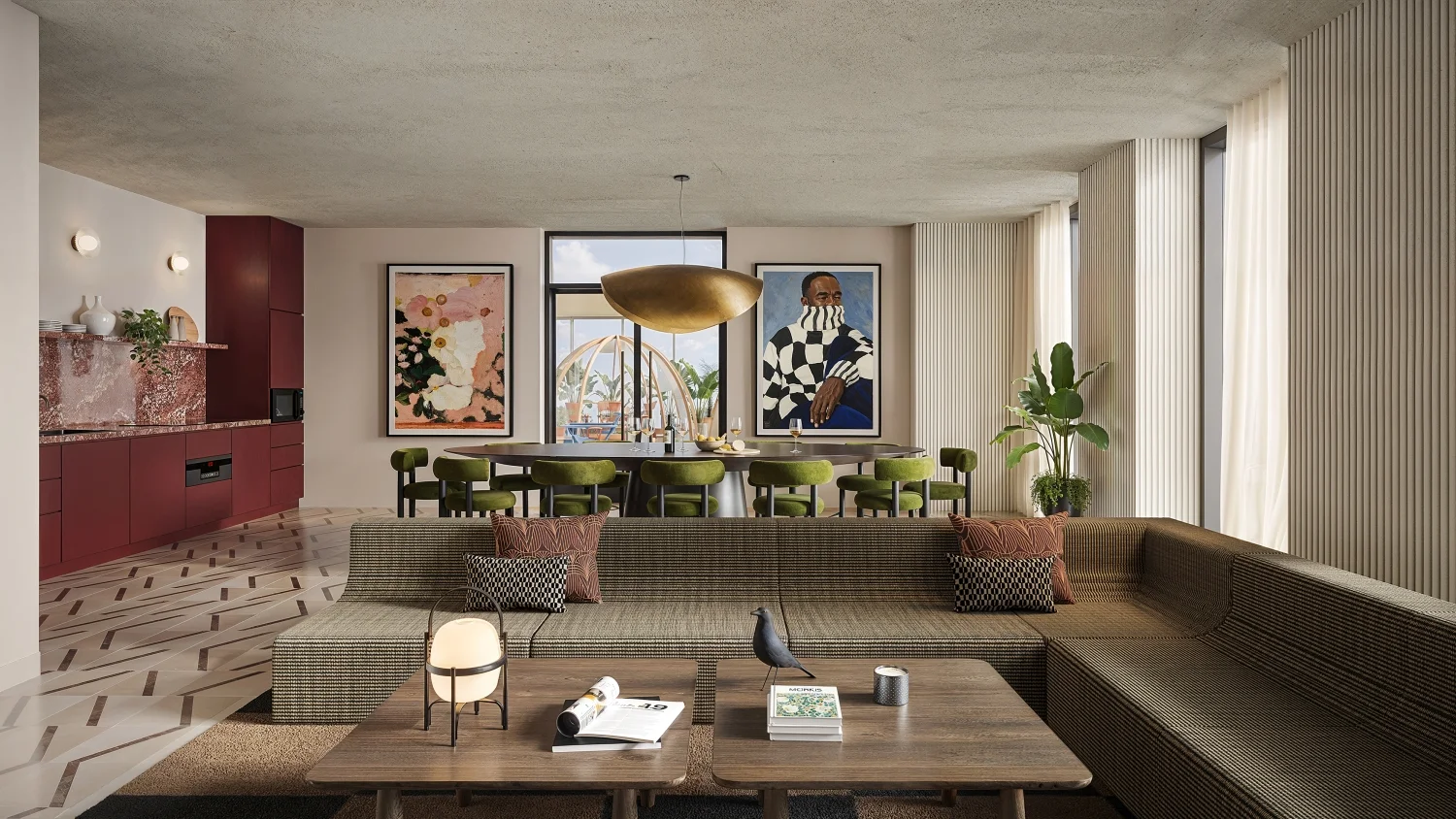
Planning a CGI budget can be difficult because interior rendering cost varies widely between projects and studios. A single room may require basic modeling, while a hotel or retail space can involve custom furniture, complex lighting, and multiple camera views.
This guide explains current pricing, what each quote should include, and how to compare options without sacrificing quality or project goals.
What Is Included in Interior Design Rendering Cost?
Understanding what is included in the interior rendering cost helps clients compare proposals more accurately. While every studio has its own workflow, most projects cover the same core production stages.
The process typically begins with 3D modeling, followed by adding furniture and décor, creating realistic materials and textures, and setting up natural or artificial lighting. Next, artists define the camera composition to present the space from the most effective angles before producing the final rendering. The images are then refined during post-production to enhance realism and visual quality. Most studios also include a limited number of revisions, while the final file delivery provides images in the required format and resolution.
Before comparing the final interior rendering price, review which production stages are included, as this helps avoid unexpected costs and ensures you receive the level of quality your project requires.

Average Interior Rendering Cost in 2026
The average interior rendering price depends on the project scope, deliverable type, and production requirements. Interactive walkthroughs and VR experiences cost more than still images because they require more complex production.
Below are the average market ranges for 2026
Cost by Rendering Type
Still Interior Images
Best use cases: design approvals, property listings, furniture catalogs, hotel marketing, residential developments, and investor presentations.
Typical production includes modeling updates, materials, lighting, camera setup, rendering, post-production, and one or two revision rounds.
Average delivery time: 3–7 business days per image, depending on scene complexity. For many projects, still images also represent the average cost for interior rendering because they are the most commonly requested CGI deliverable.
360° Interior Panoramas
Best use cases: residential sales, apartment leasing, hospitality, and office presentations.
Unlike a standard image, a panorama allows viewers to explore the entire room from a single viewpoint. It requires additional rendering time because every direction must be processed at high resolution.
Average delivery time: 4–8 business days.
Virtual Tours
Best use cases: real estate developments, hotels, senior living communities, and commercial properties.
Virtual tours combine several connected panoramic views into one interactive experience. They help buyers understand room layouts before construction is complete. Because they include multiple linked panoramic scenes, the cost for interior rendering is typically higher than for a single still image.
Average delivery time: 1–3 weeks.
Interior Animation
Best use cases: premium residential developments, office leasing, hospitality projects, and marketing campaigns.
Animation communicates movement and atmosphere but requires significantly more rendered frames, resulting in higher interior rendering fees than static visualizations.
Average delivery time: 2–5 weeks.
Interactive Walkthroughs and VR/AR
Best use cases: luxury developments, retail flagships, museums, hospitality brands, and large commercial projects.
Interactive experiences let users move freely through a digital environment. Their optimization, real-time rendering, and software development requirements make the cost of 3D interior rendering higher than for static images or animations.
Average delivery time: 3–8 weeks.
Cost by Interior Complexity
The level of detail has a direct impact on interior rendering price. A simple apartment with standard furniture requires much less production time than a luxury hotel suite or flagship retail store filled with custom-made elements.
Simple projects typically use existing furniture libraries and standard finishes, making them suitable for early design reviews and repeating residential layouts.
Medium-complexity scenes add custom furniture and materials for offices, restaurants, and premium apartments.
Complex and ultra-detailed projects require advanced lighting, custom modeling, and carefully crafted décor, increasing the interior design rendering cost because they demand significantly more production time.
Cost by Volume
Ordering multiple images together usually reduces interior rendering costs. Once the environment has been modeled, additional camera angles require considerably less production time than creating a completely new scene.
A single image is ideal for approvals or presentations. Small batches help architects and designers showcase multiple spaces while keeping the 3D interior rendering cost under control. Multi-room projects improve production efficiency by reusing assets, while catalog-level production offers the greatest savings through consistent workflows and lower costs per image.
Cost by Region
Prices also vary depending on where the studio is located. Local teams in North America or Western Europe generally have higher operating costs, resulting in higher interior visualisation prices, while offshore studios often offer lower pricing with similar production capabilities.
What Affects Interior Rendering Cost?
Several factors influence interior visualisation prices beyond room size alone.
Room Size
Larger spaces generally require more furniture, architectural details, and camera planning. A bathroom or bedroom is usually faster to produce than a restaurant, hotel lobby, retail store, or open-plan office.
Scene Complexity
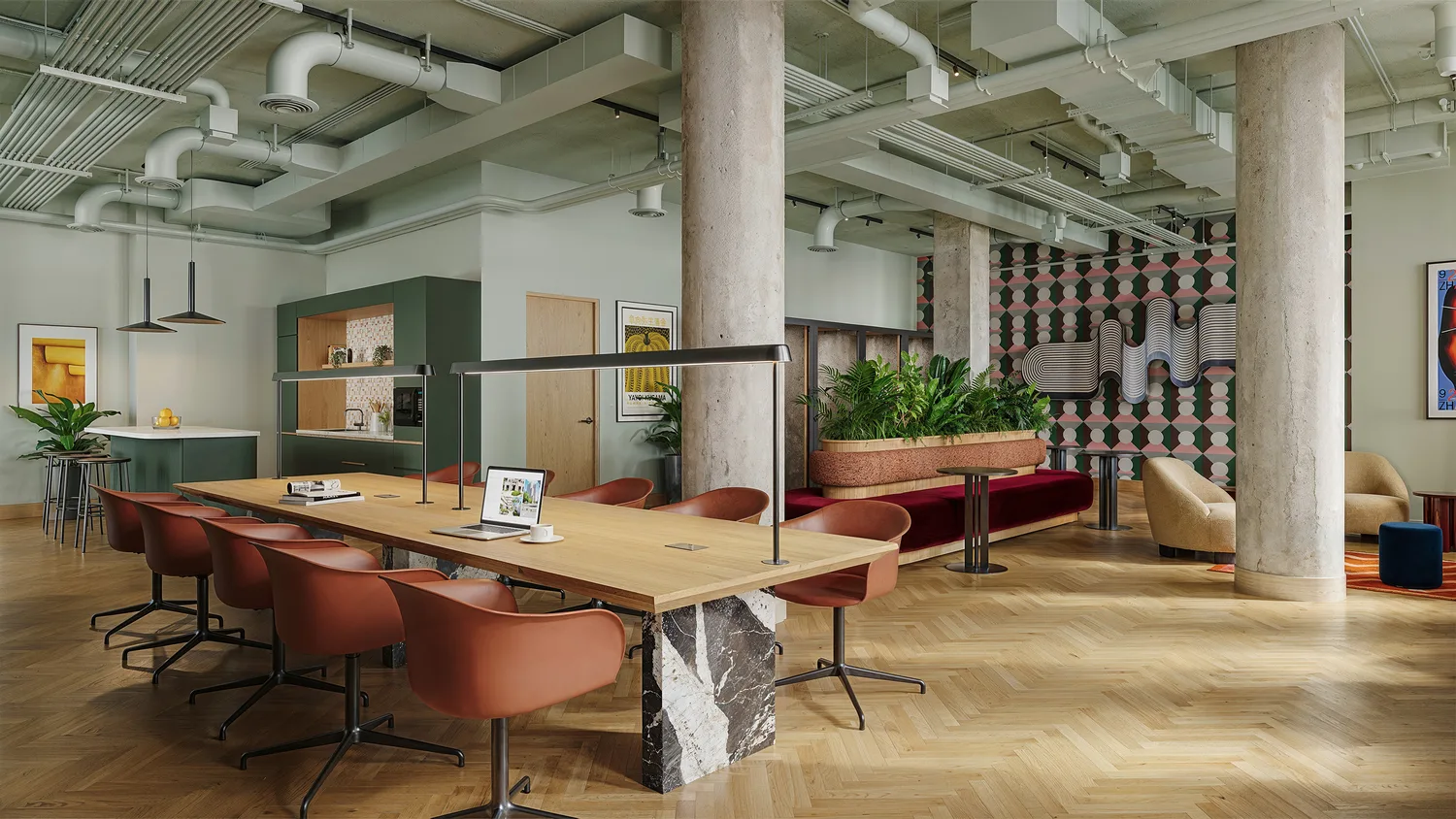
Custom furniture, decorative accessories, artwork, plants, doors & windows, reflective surfaces, and architectural features all increase production time. As scene complexity grows, interior renderings cost also increases because more modeling, materials, and refinement are required.
Level of Detail
Concept visuals focus on layout and design ideas, making them the most affordable option. Marketing-quality CGI uses refined materials, realistic lighting, and carefully composed camera angles, while ultra-photorealistic images require additional detailing and post-production, resulting in higher 3D interior visualization prices.
Number of Views
A single hero image costs more than a package with multiple views. Once the scene is created, additional camera angles require minimal work, reducing the cost per image.
Existing 3D Models vs. Modeling from Scratch
Existing CAD, BIM, SketchUp, or Revit files shorten production because much of the geometry already exists, helping reduce the 3D interior rendering services cost. Creating an entire room from scratch naturally requires more time and increases the project budget.
Lighting Requirements
Daylight scenes are the fastest to produce, while sunset, nighttime, or mixed lighting requires additional adjustments for realistic results.
Delivery Timeline and Revisions
Standard schedules are the most cost-effective, while rush delivery or multiple revisions increase costs. A detailed brief helps keep production on schedule.

Interior Rendering Pricing Models Explained
Studios use different pricing models depending on the project scope, production workflow, and client requirements, which directly influence interior rendering services prices. Understanding these options helps businesses choose the most cost-effective approach while avoiding unexpected expenses.
Per Image Pricing
This is the most common pricing model for residential, commercial, and hospitality projects. Clients pay a fixed price for each completed image, making budgeting simple and predictable.
It works best for projects that require a limited number of marketing visuals, design presentations, or planning approvals.
Per Project Pricing
For larger developments, studios often prepare a single quote covering the entire production process. This approach provides a predictable interior design rendering services cost by including multiple spaces, several camera views, project management, and a defined number of revisions.
Per-project pricing gives clients a clear overall budget and is commonly used for pricing the architectural projects, such as hotels, office buildings, residential developments, and retail environments.
Hourly Rates
Some studios charge by the hour when the project scope is difficult to define in advance. This approach is often used for design changes, consulting, or ongoing visualization support.
While hourly billing offers flexibility, the final cost can be harder to predict if project requirements change frequently.
Subscription or Retainer Model
Companies with ongoing visualization needs can reduce the overall interior design rendering cost through monthly retainer or subscription agreements, reserving production capacity instead of requesting individual quotes.
This model is popular with furniture manufacturers, real estate developers, marketing agencies, and architectural firms.
Fixed Price vs. Flexible Pricing
A fixed-price quote provides cost certainty when the project scope is clearly defined from the beginning. Flexible pricing is more suitable for projects that may evolve during production, allowing additional work as requirements change and affecting interior visualisation prices.
The right pricing model depends on project complexity, production volume, and how likely the scope is to change after work begins.
Why Professional Interior CGI Delivers Strong ROI
Professional CGI is more than a visual presentation tool—it helps businesses make faster decisions, communicate ideas clearly, and reduce costly revisions throughout a project. Investing in high-quality visualization often lowers the overall interior design rendering cost by preventing expensive design changes later in the workflow.
For architects and interior designers, high-quality renderings make it easier to gain client approval before construction begins. Developers and real estate companies use photorealistic visuals to market properties before completion, while furniture manufacturers and retailers showcase products in realistic interiors without organizing multiple photo shoots — often at a lower product rendering pricing than traditional photography.
Professional production also improves consistency across brochures, websites, digital advertising, social media, and sales presentations, ensuring a unified visual identity across all marketing materials.
Although professional CGI requires an upfront investment, it often reduces overall project costs by minimizing design misunderstandings, shortening approval cycles, and allowing marketing campaigns to start earlier. Businesses that evaluate the long-term 3D interior rendering services cost often find that consistent, high-quality visualization delivers lasting value beyond a single rendering project.
Why Choose PIXREADY for Scalable Interior CGI
PIXREADY combines technical expertise, scalable production, and efficient workflows to deliver reliable interior CGI for projects of any size.
• Photorealistic interior CGI that helps businesses present projects with confidence while delivering excellent value for the interior rendering price.
• Scalable production for everything from single-room visualizations to large residential, commercial, and mixed-use developments.
• Trusted by global architecture, real estate, hospitality, furniture, and retail brands that require reliable CGI for marketing, sales, and approvals.
• Scalable workflows for large product catalogs, ensuring visual consistency across hundreds of products and interior scenes.
• Hybrid 3D + AI production pipelines that improve efficiency while maintaining creative control and photorealistic quality.
• Fast turnaround and consistent quality, supported by structured project management and experienced CGI specialists.
• Cross-industry expertise spanning furniture, electronics, consumer goods, real estate, hospitality, and interior design.
• Consistent visual quality across multiple properties, product collections, and marketing campaigns, helping clients maximize the long-term value of their interior design rendering cost.
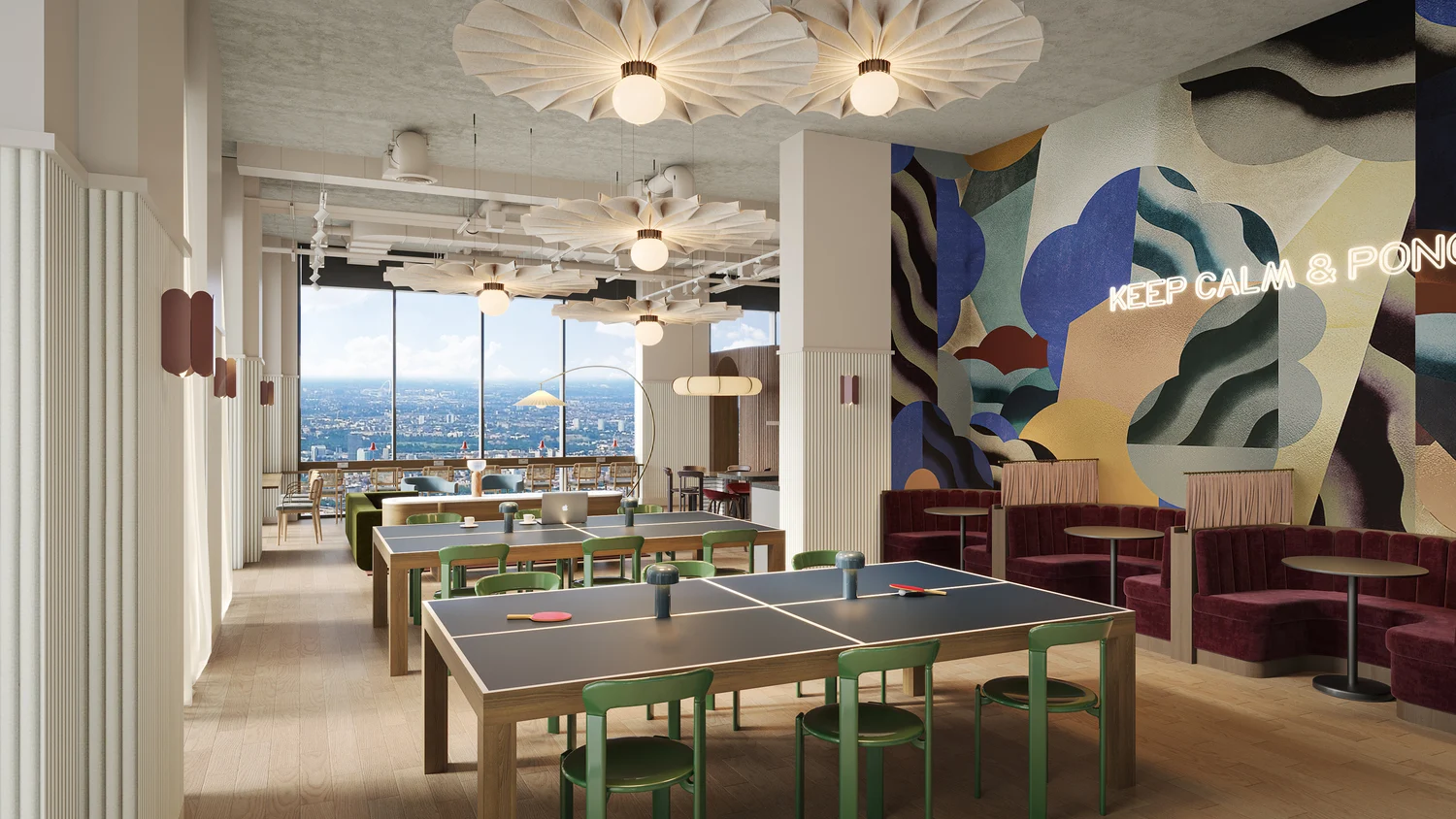
One example is the Build-to-Rent project, where a large number of interior visuals were produced for an entire residential development. By combining standardized production workflows with careful quality control, the project maintained visual consistency across multiple apartment types while meeting demanding delivery schedules. This approach helped create marketing assets that could be used throughout the sales process without compromising quality or efficiency.
As projects grow, scalable production, reliable workflows, and clear communication become essential for delivering consistent results from start to finish.
Conclusion
Understanding interior rendering cost is about more than comparing prices. The right investment depends on project goals, required quality, project complexity, and delivery timeline. Evaluating what is included in each quote, choosing the right pricing model, and working with an experienced CGI partner helps businesses control budgets and achieve better results.
With PIXREADY’s transparent pricing and scalable production workflows, professional interior rendering supports design decisions, strengthens marketing, accelerates sales, and delivers long-term business value.
Get 3d expert on your side
More than a 3D rendering vendor, PIXREADY acts as a strategic CGI partner helping brands
сreate scalable visual content for marketing, sales, and product launches. Let's explore your
project and discuss how CGI can support your business goals!
.png)
Founded by a group of technology, architecture, and design professionals in 2018, PIXREADY is one of the challengers empowering the 3D visualization industry and making its products and services more affordable.We are determined to assist businesses around the world to create photorealistic images of their products and ideas and enrich the experience of their clients. We focus on the details, with the highest precision in every pixel.