Industrial Product 3D Rendering: A Complete Guide for Manufacturers and Marketers
Discover how to choose the right 3D rendering partner for manufacturers and marketers.
.webp)
Discover how to choose the right 3D rendering partner for manufacturers and marketers.
Manufacturers and marketers face the challenge of presenting their products. Traditional photography often falls short when working with heavy equipment. The photo does not show the exact electronic parts or products under development.
This is where industrial product 3D rendering provides a solution. This guide will explore what it is and why it’s essential. We’ll also show you how to use it for product development and marketing.
3D industrial rendering creates realistic, computer-generated images of products. This can also include animation and movement with varying levels of detail. Traditional photography requires a physical prototype. Rendering can show the product before it's even created.
It also differs from CAD drawings, which focus on technical schematics. CAD is important and necessary for engineers. But, it lacks photorealism and presentation capabilities. Industrial visuals fill this gap. 3D provides accurate, clear and attractive images.
Industries such as machinery, automotive, electronics, and heavy equipment benefit most. They can visualize products at an early design stage. This allows for the creation of marketing assets before production begins. This improves customer communication.
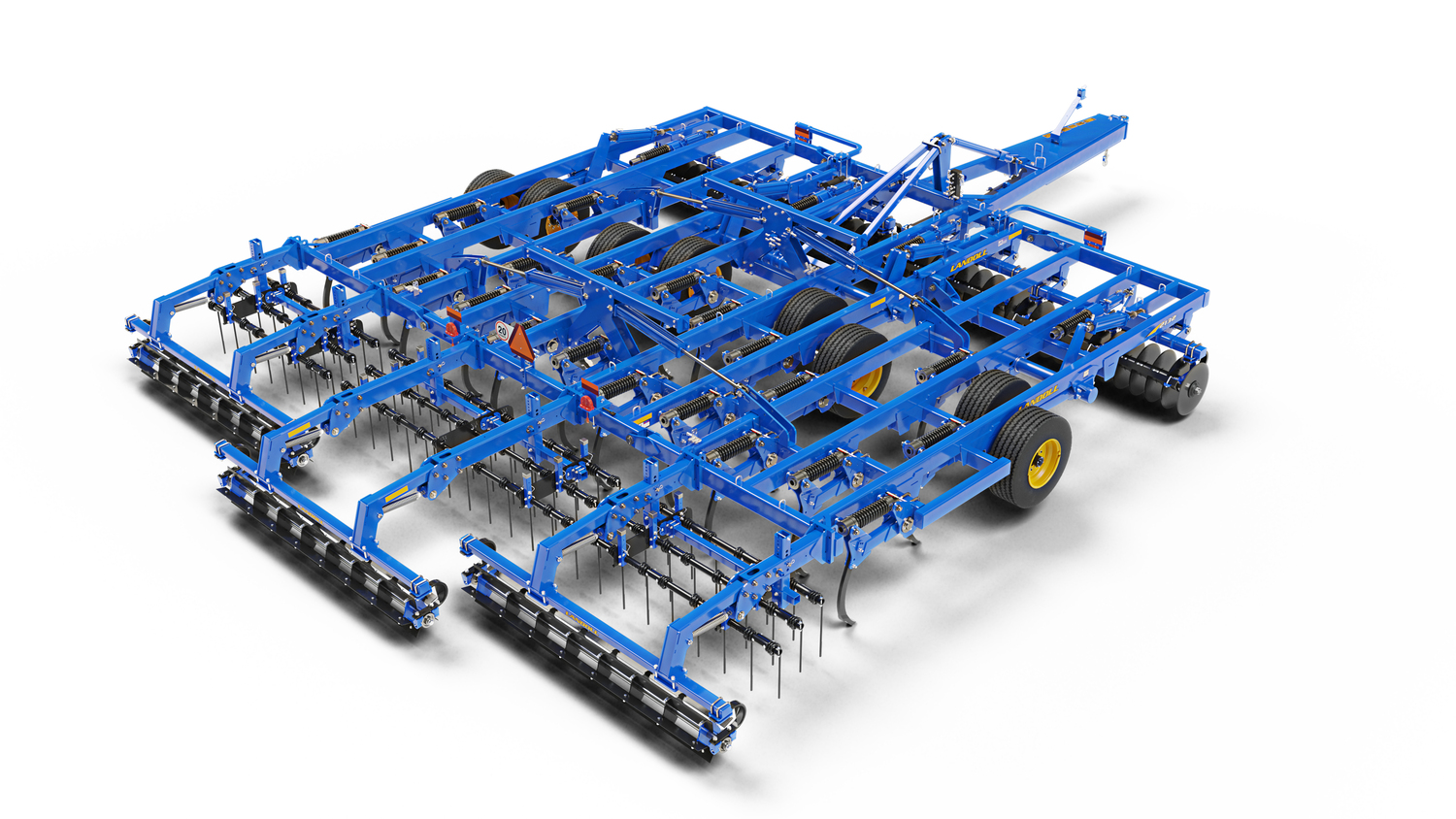
The actual value of industrial renders lies in the measurable benefits listed below. These benefits are significant for business, advertising, and product promotion. Moreover, today every serious project has impressive visualization. Failure to use modern technologies leads to lagging behind competitors.
Industrial companies no longer need to invest in many prototypes. The physical production of a prototype can be very difficult. Industrial render allows for digital changes to dimensions, finishes, and configurations. 3D technology reduces costs and also increases convenience and visual appeal.
In product development, speed matters. Rendering shortens design cycles by enabling teams to communicate changes. Marketing campaigns can also begin before manufacturing is complete. This allows you to save a lot of money.
Complex machinery often involves hundreds of components. Industrial visualisation captures every detail. This eliminates misunderstandings between engineers, designers, and stakeholders. All together this creates extraordinary convenience of approvals.
Photorealistic industrial renders are powerful assets for catalogs, websites, and trade shows. They create the impression of real photography but are far more flexible. Potential customers can view products from many angles, see cutaways, or explore interactive 3D. They can completely feel as if they have the product in their hands. And on top of everything else, it's beautiful and fascinating.
3D industrial rendering services make showing product variations easy without creating physical samples. For example, different colors, finishes, or sizes. This scalability allows sales teams to respond to customer demands.
Together, these benefits drive higher ROI by accelerating time to market. An important point here is cost reduction. Convenient information delivery is also valued.
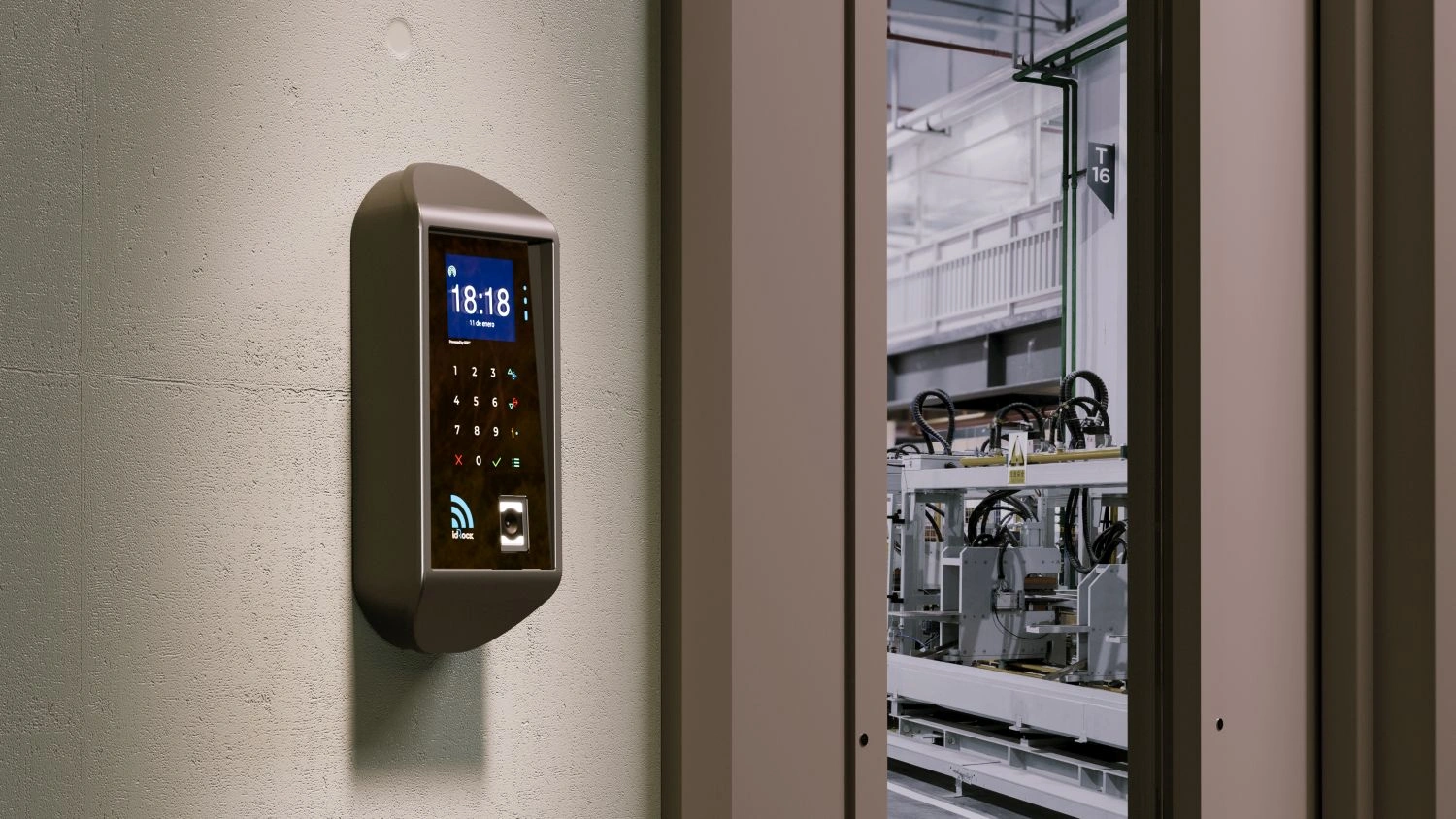
In the electronics sector, products are often compact yet complex. Industrial render allows manufacturers to:
Like the electronics sector, 3D jewelry rendering offers the same level of detail. Attention to the most minor details attracts buyers in these sectors.
The automotive industry demands a balance of precision and style.
3D industrial renders and EV rendering services can:
Medical technology and cosmetic equipment must be trustworthy and transparent. Industrial product renders support for this by:

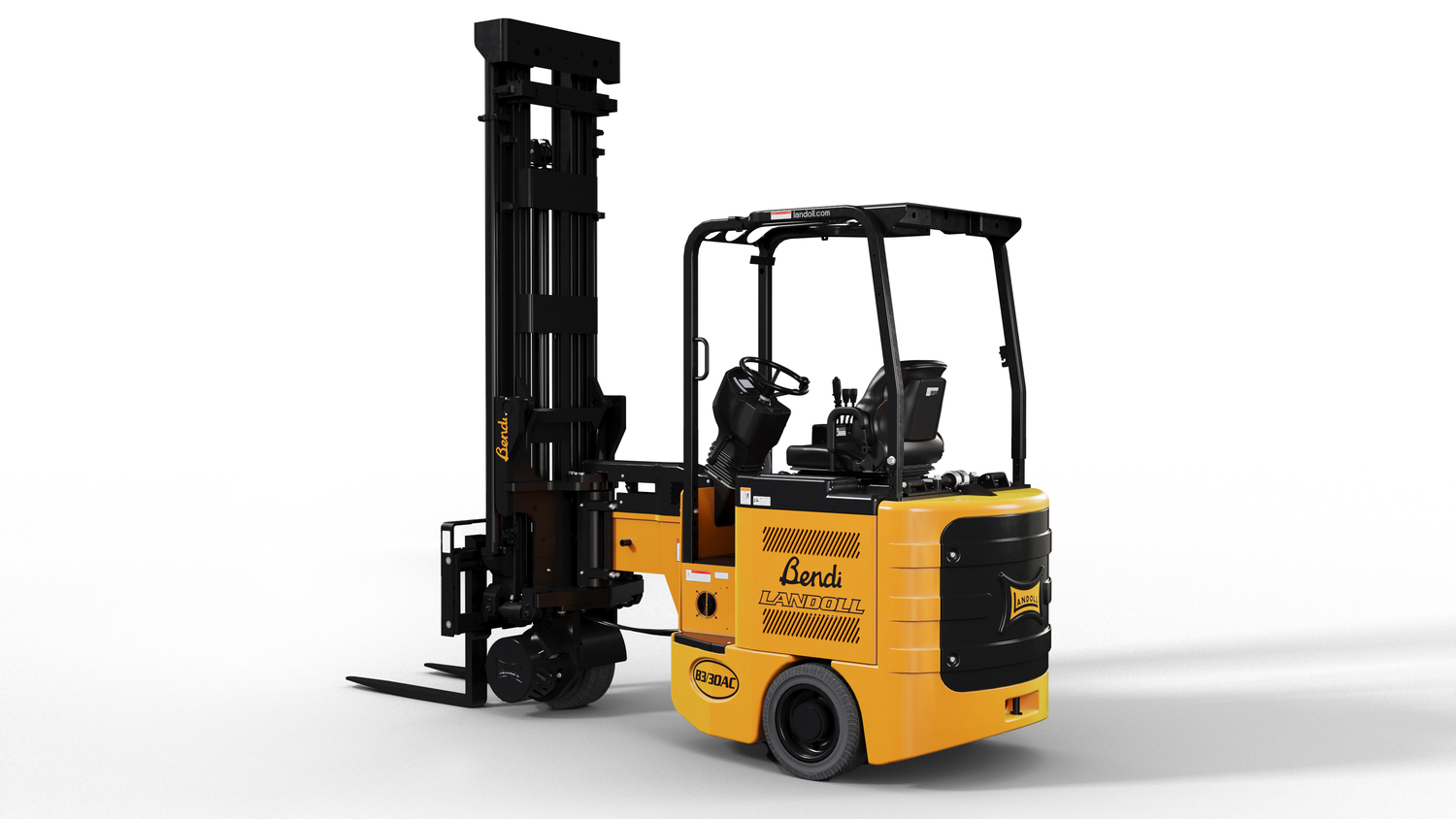
Photographing oversized equipment like turbines, generators, and construction machines is difficult and costly. Industrial 3D render solves this challenge by:

Suppliers of building materials and tools also gain from industrial rendering. It allows them to:
While photography remains useful, it has limitations compared to industrial product rendering services. The main features between 3D rendering and photography are as follows:
Thus, 3D rendering offers unmatched cost efficiency and flexibility. For example, yacht and boat rendering, where the production of one sample requires significant costs. Industrial rendering services allow you to create any environment without extra expense. This technology allows for cross-sections and animation, which is impossible with photography. The manufacturer displays complex internal mechanisms or assembly processes.
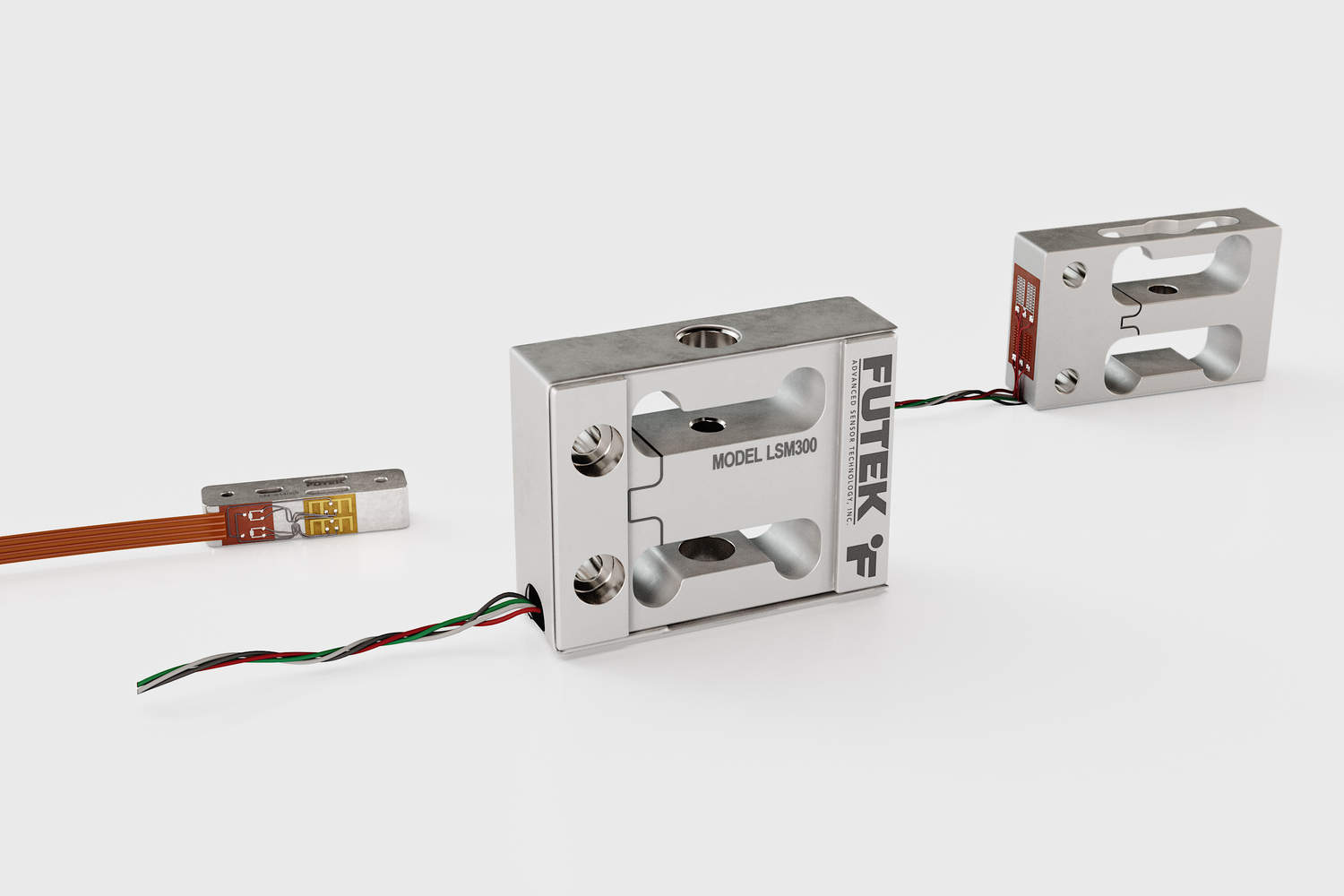
Rendering offers more control, scalability, and creativity than traditional photography. For example, specific lighting requirements are easily implemented in 3D rendering. As are any other individual client requests. The price, considering all the advantages, is cheaper.
Industrial renderings empower companies to present products and streamline communication. 3D technology accelerates time to market.
The comparison of AI product pictures and 3D rendering deserves special attention.
To maximize results, businesses must choose the right rendering partner. Key factors include:
A trusted partner, PIXREADY, stands out due to deep expertise in industrial visualization. PIXREADY has proven results across various industries and a commitment to photorealistic quality. A high-quality portfolio demonstrates a thorough understanding of all the intricacies. A large number of projects and positive client reviews also attest to this.
.webp)
PIXREADY is more than a service provider—it is a visualization partner. Here’s why:
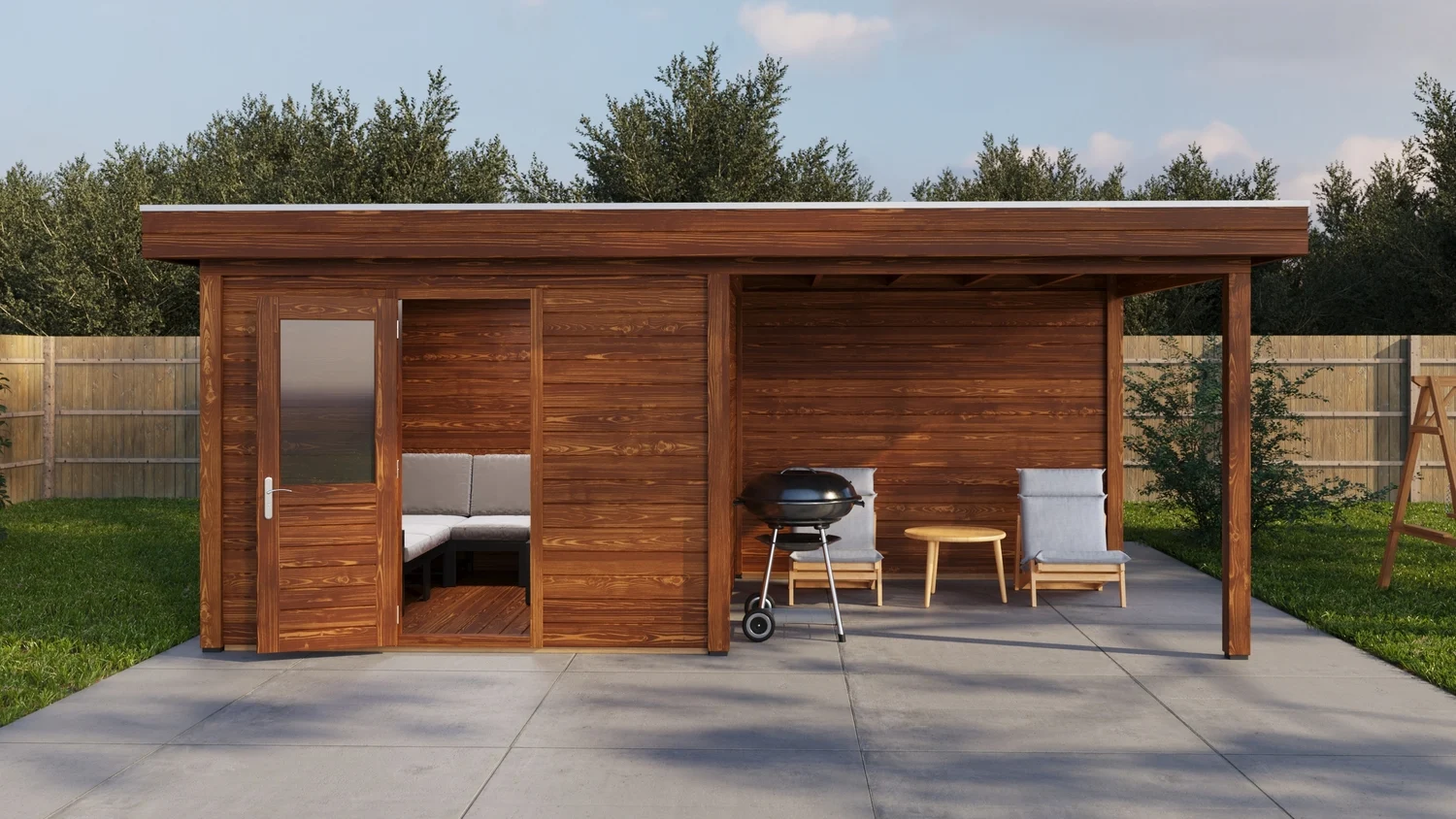
PIXREADY partnered with Lugarde, a renowned European manufacturer of premium wooden garden houses. We transform their product presentation through 3D visualization. Our team created detailed 3D assets for 22 structures. It included cross-sections, lifestyle renders, and 360° animations for catalogs and digital platforms. The visuals showcased craftsmanship, materials, and design flexibility with photorealistic precision.
3D technology allowed the company to reduce marketing costs. The company provides customers with a new experience. New 3D images became central to brochures, websites, and advertising materials. This visualization increased customer confidence in the brand’s quality and innovation.
Industrial product 3D rendering has become an essential tool for manufacturers and marketers. Visualizations reduce costs and speed up decision-making. Rendering increases accuracy and enables the creation of stunning marketing visuals. All these advantages make this tool superior to traditional photography. Across industries, renderings empower businesses to innovate, communicate, and sell.
Now is the time to learn how visualization services can enhance your strategy. Partner with experts like PIXREADY and transform your approach to product creation.
More than a 3D rendering vendor, PIXREADY acts as a strategic CGI partner helping brands
сreate scalable visual content for marketing, sales, and product launches. Let's explore your
project and discuss how CGI can support your business goals!
.png)
Founded by a group of technology, architecture, and design professionals in 2018, PIXREADY is one of the challengers empowering the 3D visualization industry and making its products and services more affordable.We are determined to assist businesses around the world to create photorealistic images of their products and ideas and enrich the experience of their clients. We focus on the details, with the highest precision in every pixel.
Industrial product 3D rendering is used to create realistic computer-generated images and animations of products before a physical prototype exists. Manufacturers and marketers use it for catalogs, websites, trade shows, product launches, investor presentations, and training materials, including cutaway and exploded views of internal components. Unlike CAD drawings, it adds photorealism and presentation quality.
Industrial 3D rendering reduces prototype costs by replacing physical samples with digital models. Companies no longer need to produce many prototypes, which can be very difficult to make, because dimensions, finishes, and configurations can be changed digitally. Marketing visuals can also be created from digital models, without a physical sample.
Industrial rendering speeds up product development by shortening design cycles, since teams can communicate changes. Marketing campaigns can start before manufacturing is complete, and accurate visualization of every component reduces misunderstandings between engineers, designers, and stakeholders, which makes approvals easier. Together, this accelerates time to market and improves return on investment.
Yes, industrial visualization shows different configurations, such as colors, finishes, sizes, and models, without creating physical samples. This lets sales teams respond to customer demands. For an electronic access controller, PIXREADY modeled two product versions and produced images and animations for websites, catalogs, exhibitions, and advertising campaigns.
Yes, in many cases. Industrial rendering creates photorealistic visuals before production, without a physical sample, and allows unlimited environments, angles, and easy edits without new shoots. One render can replace dozens of staged photos, and cutaways and animations are possible, which photography cannot offer. Photography remains useful but depends on the environment, and reshoots are costly.
Industrial rendering is useful for large or heavy equipment because photographing oversized machines such as turbines, generators, and construction equipment is difficult and costly. Rendering places equipment in real-world settings without logistics costs, supports international sales with detailed presentations and animations, and offers exploded views that show each component's function and placement for training.
PIXREADY provides industrial product rendering as static renders, detailed images, animations, and 360° rotations, with models that are ready for augmented and virtual reality. PIXREADY's team collaborates with engineers to translate CAD data accurately, ensuring correct dimensions, finishes, and materials, and creates visuals for catalogs, websites, trade shows, marketing campaigns, and investor decks.
PIXREADY serves five industries with industrial 3D rendering: electronics and appliances, automotive and transportation, health, beauty, cosmetics, and medical devices, industrial equipment and heavy machinery, and architecture and construction materials. Projects include an electronic access controller, autonomous delivery vehicles, surgical training visuals, retail refrigerators and shelving, and 22 wooden garden houses.

.webp)
